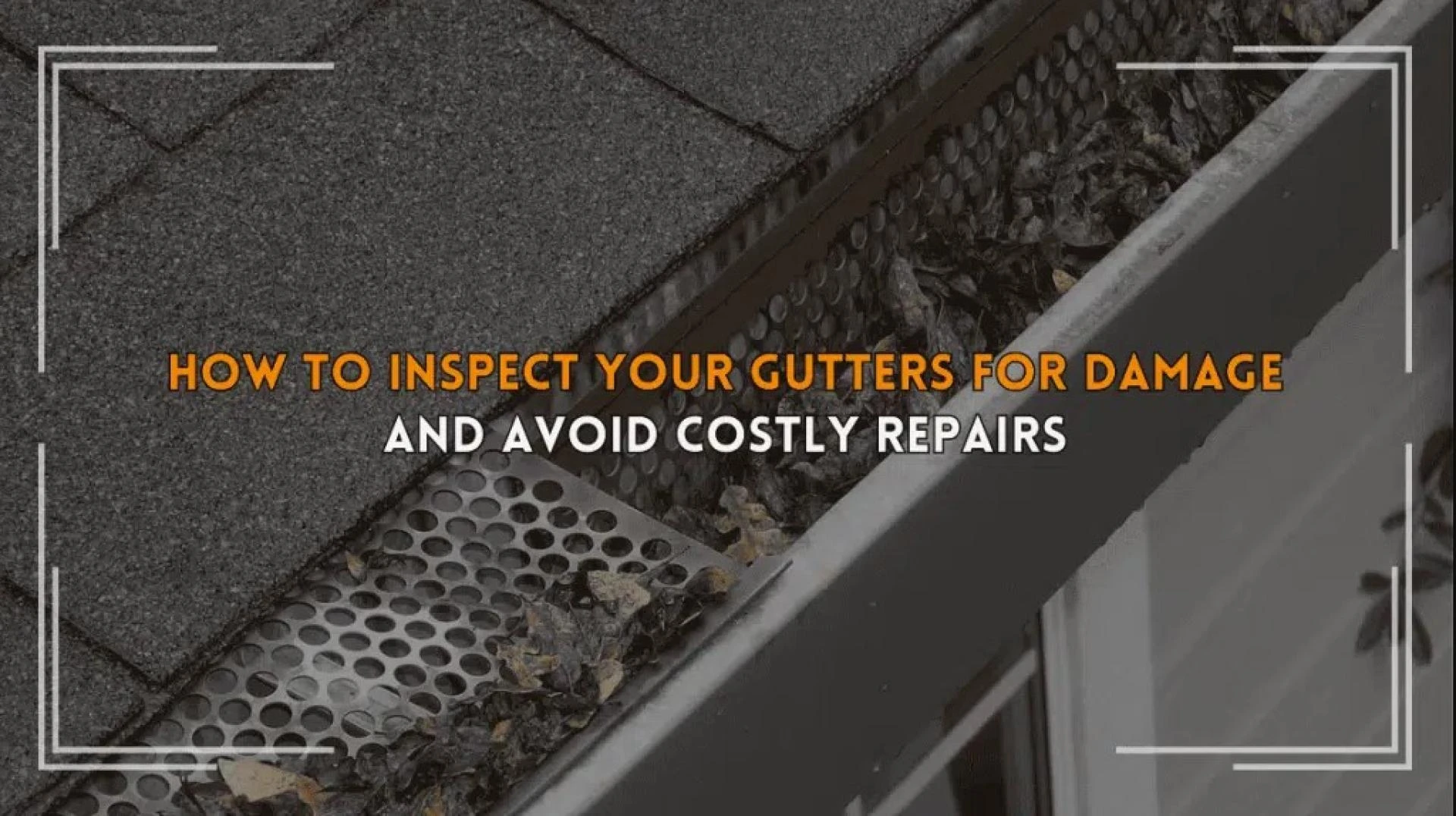

Gutters are one of the most overlooked parts of a home, yet they play a vital role in directing rainwater safely away from your roof, walls, and foundation. When gutters are damaged or clogged, water can overflow and lead to serious structural issues. Regular rain gutter maintenance helps you identify early warning signs, reduce repair costs, and extend the lifespan of your gutter system.
This guide explains how to inspect your gutters and downspouts so you can prevent expensive damage before it starts.
Why Regular Gutter Inspection Is Important?
Regular check-ups will be done on your gutter to make sure it works properly when it rains heavily and when the weather changes. Minor problems are usually left unattended, only to cause huge repairs in the near future.
Frequent gutter checkups can help you:
- Stop water from destroying your roof, siding, and fascia.
- Lessen the chances of mold, mildew, and rotting of wood.
- Increase the life of your gutters and downspouts.
- Prevent expenses by dealing with small issues.
Gutter checks are a part of home maintenance that you could consider to ensure that the likelihood of unwarranted repair expenses is greatly reduced.
Read: Top Gutter Maintenance Tips to Prepare for Heavy Rain
How to Inspect Gutters: A Step-by-Step Guide
1. Inspect Gutters at the Right Time
It is important to know when to check your gutters, and to know how is equally important. Gutters must be checked at least once every six months, preferably in spring and fall when the debris accumulation is prevalent. You also should check your gutters immediately after downpours, heavy winds, or snow because extreme weather conditions may weaken fasteners, overload downspouts, or fail to align.
2. Remove Debris Before Inspecting
Your gutters must be clean before you are able to inspect them well. Leaves, twigs, dirt, and nesting materials can conceal cracks, leaks, and drainage problems. Begin with removing apparent debris by hand, or with the help of a gutter cleaning device that makes some form of safe removal. Clean the gutters with a garden hose after cleaning up most of the debris to clean the gutters of any lingering dirt and debris.
3. Inspect the Inside of the Gutters
Check on cracks, holes, rust points, or corrosion that can make the gutter material weak. When water is standing in the gutter, it is a sign that the slope is not correct, and this may cause overflow and structural tension. Be careful of seams and joints, such as on sectional gutters, because these are the areas likely to separate and fail to keep the water out.
4. Inspect Gutters and Downspouts Together
The gutters and the downspouts should always be properly inspected since they collaborate to take the water off your house. Ensure that downspouts are firmly fixed and have no obstructions that might limit the flow of water. When during a rain, the water accumulates behind the gutters, it could mean that there is a blockage or a crushed area in the gutters’ downspout.
5. Check for Sagging, Leaks, and Loose Fasteners
Lastly, check the general arrangement and the orientation of the gutter system. Sagging gutters or those that do not adhere to the fascia board frequently fail to drain efficiently and cause undue tension on the fasteners. Check if the screws, brackets, or hangers are loose or missing, since this would deteriorate with time without being fastened. Test joints and seams, and report those areas that seem to be leaning away from the downspouts.
Signs Gutters Need Professional Inspection
While many issues are easy to spot, some problems require professional expertise. Recognizing signs that gutters need professional inspection can prevent hidden damage.
Call a professional if you notice:
- Persistent overflow even after cleaning
- Large rusted areas or holes
- Gutters separating from fascia boards
- Water is pooling near the foundation
- Visible rot or mold on fascia or siding
- Cracks in the foundation caused by drainage issues
Professionals can identify underlying structural problems and recommend long-term solutions.
Common Mistakes to Avoid in Gutter Inspection
Skipping Regular Inspections
Most people do not check their gutters until they notice something wrong, like water overflow or leakage at the base. This defensive strategy usually implies that the damage has already been done. Gutters are recommended to be checked on a regular basis, particularly during the changes of seasons and after extreme weather, to detect minor problems at an early stage to prevent the high cost involved in repairs.
Inspecting Gutters Without Cleaning Them First
It is a common mistake to examine gutters when they are full of leaves, dirt, and debris. Debris may hide cracks, rust, loose seams, and drainage issues that can make gutter systems look good. You should clean the gutters and then inspect them to notice the actual condition of the material and properly assess the flow of water.
Ignoring Downspouts During Inspection
Focusing on the gutters and forgetting the downspouts causes severe drainage problems. Even the clean gutters will get overfilled in case the downspouts are plugged, disconnected, or broken. The full inspection must always involve examination of the downspouts, whether they are blocked, firmly attached, and whether they discharge water away from the foundation of the house.
Overlooking Sagging Gutters and Loose Fasteners
Sloping gutters or loose hangers are frequently perceived as a problem of little significance, yet they may deteriorate within a short period of time. The guttering that does not stick to the fascia or incline wrongly fails to drain, and this causes much leakage and structural destruction. Early detection and closure of loose fasteners ensures the correct positioning of the system, and the gutter system has a longer lifespan.
Missing Early Signs of Water Damage
Most of the homeowners focus on the gutters only and do not check the surrounding areas. Stains of water on siding, peeling paint, rotting fascia boards, or soil erosion at the base are also indications of gutter problems. These warning signs during inspection can be used to identify drainage problems that could not be noticed at a glance in the gutter system.
Using Unsafe Inspection Methods
Trying to do these gutter inspections without taking the necessary safety precautions is a serious mistake. The accidents can arise as a result of using unstable ladders, overreaching, and inspecting the gutters when they are wet or windy. In cases where gutters are hard to reach or the damage seems to be very severe, Advantage Home Exteriors can identify hidden issues, ensure proper drainage, and help homeowners prevent costly repairs before problems escalate.
Read: Signs Your Gutters Need a Repair or Replacement
Conclusion
Knowing how to inspect gutters and doing it regularly can save you from costly repairs and water damage. By cleaning debris, checking for leaks, inspecting gutters and downspouts, and recognizing when professional help is needed, you protect your home year-round. A proactive inspection routine ensures your gutter system works as expected, keeping your home safe, dry, and structurally sound.
Looking for professionals for Gutter Installation in Baltimore? Contact our experts to get gutter installation services that protect your home from damage and costly repairs.
Originally Posted at: How to Inspect Gutters















Sign in to leave a comment.