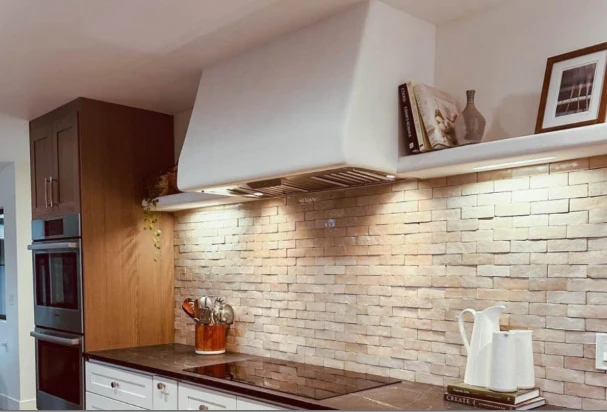

Choosing the right range hoods for gas stoves is a critical decision in kitchen design and functionality. Gas stoves produce significant heat, smoke, grease, and combustion byproducts like carbon monoxide. Without proper ventilation, these can linger in your kitchen, affecting indoor air quality and comfort. This guide provides expert insights to help you select a range hood for gas stoves that performs efficiently, fits your lifestyle, and enhances your cooking space.
Why You Need a Range Hood for Your Gas Stove
A range hood serves multiple purposes in a kitchen with a gas stove. Its primary function is to remove smoke, steam, grease, odors, and airborne pollutants generated during cooking. Gas stoves, compared to electric cooktops, produce higher levels of combustion byproducts, including nitrogen dioxide and carbon monoxide. Effective ventilation helps to reduce these pollutants, supporting better indoor air quality and protecting your family’s health.
Range hoods also help prevent grease buildup on walls and cabinets, reducing cleaning time and potential fire hazards. Proper airflow helps regulate kitchen temperature, enhancing comfort during longer cooking sessions.
Understanding Range Hood Types
When selecting range hoods for gas stoves, it’s essential to understand the available types and how they fit your kitchen layout:
Wall‑Mounted Range Hoods
Wall‑mounted range hoods attach directly to the wall above your stove and are ideal for kitchens with a traditional setup. These models often offer strong suction and a range of design options, from sleek modern to classic chimney styles.
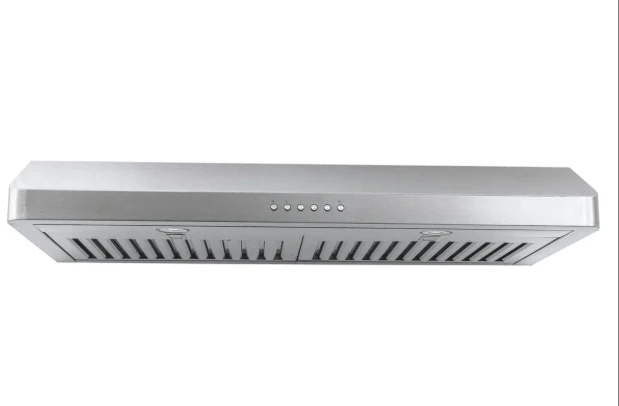
Under‑Cabinet Range Hoods
These hoods fit beneath existing cabinetry, making them a space‑saving choice for smaller kitchens. They are often more affordable but vary in performance, so checking airflow capacity is crucial.
Island Range Hoods
If your gas stove is located on a kitchen island, an island range hood is necessary. These hoods hang from the ceiling and must be powerful enough to ventilate from a distance, so look for higher cubic feet per minute (CFM) ratings.
Downdraft Ventilation Systems
Downdraft systems pull air downward and are integrated into the cooktop. While aesthetically appealing, they are generally less effective than traditional hoods and are best suited for specific kitchen configurations or auxiliary ventilation rather than the primary exhaust.
Key Features to Consider
Airflow Capacity (CFM)
CFM, or cubic feet per minute, measures how much air a range hood can move. Gas stoves typically require more powerful ventilation due to higher heat and combustion products. A general rule of thumb is to have at least 100 CFM for every 10,000 BTUs of your stove’s total output. For example, a stove with 40,000 BTU total might need a hood with at least 400 CFM. Higher CFM ensures efficient removal of smoke and odors but can also lead to more noise.
Noise Level (Sones)
Noise is a key comfort factor. Manufacturers often list noise levels in sones. Lower sones mean quieter operation. While high‑CFM hoods can be louder, models with variable speed settings let you balance power and sound based on your cooking needs.
Venting Style: Ducted vs Ductless
Ducted (Vented) Range Hoods: These expel air outside your home, providing the most effective removal of smoke, moisture, and pollutants. For gas stoves, ducted hoods are usually recommended because they eliminate combustion byproducts rather than recirculating them.
Ductless (Recirculating) Range Hoods: These use charcoal filters to clean the air before returning it to the kitchen. They are easier to install but less efficient at removing heat and moisture. If your home cannot accommodate ductwork, choose a ductless model with high‑quality filters and plan for frequent maintenance.
Hood Size and Installation Height
The range hood should match or exceed the width of your gas stove. Standard stove widths are 30 or 36 inches, so choose a hood that matches these dimensions. Installation height also matters. For most gas stoves, the recommended distance between the cooktop and the hood is 24 to 30 inches. Too low can cause obstructions, while too high reduces effectiveness.
Filters and Maintenance
Range hoods for gas stoves should include effective grease filters. Stainless steel or baffle filters are preferable to aluminum mesh filters because they are durable and easier to clean. Grease filters should be cleaned regularly to maintain performance. If choosing a ductless hood, ensure the charcoal filters are replaceable and readily available.
Additional Considerations
Lighting
Good lighting enhances visibility while cooking. Many range hoods include LED or halogen lights. Choose a model with adjustable brightness to suit your kitchen tasks.
Controls
Consider user‑friendly controls and multiple fan speeds. Touch controls, remote operation, and even smart connectivity are features in higher‑end models that add convenience.
Conclusion
Selecting the right range hood for your gas stove is an investment in both kitchen performance and indoor air quality. Focus on airflow capacity, noise levels, venting type, and proper sizing to ensure your range hood meets your needs. With the right choice, your kitchen will be well‑ventilated, cleaner, and more enjoyable, making your free standing gas range perform at its best. Expertly chosen range hoods for gas stoves not only improve ventilation but also enhance cooking comfort and safety.












Sign in to leave a comment.