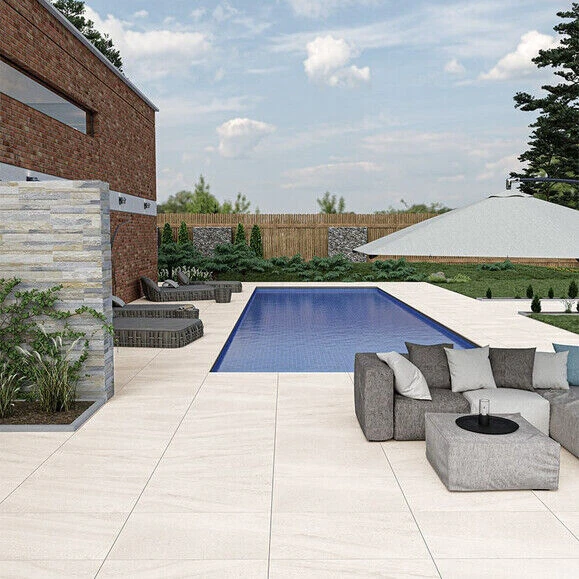

When it comes to upgrading your outdoor space, safety and style should go hand in hand. Non-slip porcelain paving has become the go-to choice for UK homeowners looking to create beautiful, functional patios, driveways, and garden paths without compromising on safety. But with so many options available, how do you choose the best non-slip porcelain paving for your home? In this guide, we draw on over ten years of experience in the UK tiling market to provide actionable advice and insider insights.
Why Choose Non-Slip Porcelain Paving
Porcelain paving has gained popularity because it combines durability, low maintenance, and aesthetic versatility. But the non-slip variant takes it a step further by adding a safety element that is crucial for outdoor spaces, especially in the UK where rain and frost are common.
- Safety First: Non-slip paving reduces the risk of accidents in wet or icy conditions, making it ideal for families and high-traffic areas.
- Durability: Porcelain is highly resistant to scratching, staining, and fading, making it perfect for areas exposed to harsh weather.
- Low Maintenance: Unlike natural stone or timber decking, porcelain paving requires minimal upkeep while maintaining its visual appeal.
- Aesthetic Versatility: Available in a range of colours, textures, and finishes, non-slip porcelain paving can match any garden or patio style.
For more information on the benefits of outdoor paving, check the Royal Horticultural Society’s guide on patios.
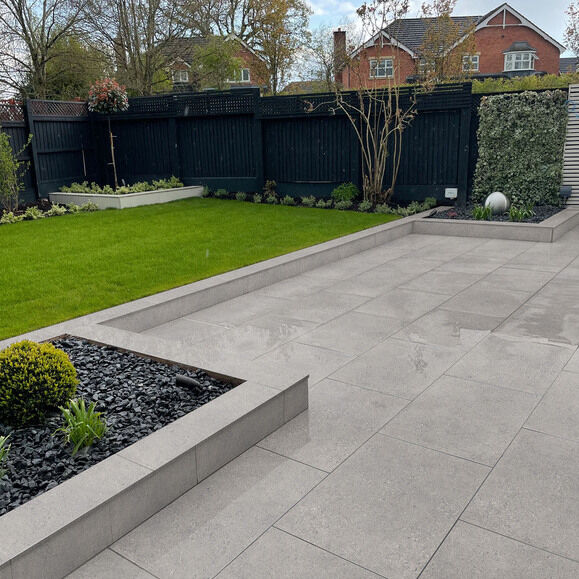
Factors to Consider When Choosing Non-Slip Porcelain Paving
Selecting the right paving is more than picking a colour or pattern. Here are the key factors to keep in mind:
Slip Resistance Rating
When buying non-slip porcelain paving, always check the slip resistance rating. Most UK suppliers provide ratings based on the Pendulum Test Value (PTV) or R-rating system. For residential gardens and patios, an R10 or higher is generally recommended to ensure adequate grip. This is especially important for areas near pools, entrances, or where children frequently play.
Size and Thickness of Paving Slabs
Porcelain paving comes in various sizes and thicknesses. Larger slabs create a sleek, modern look, but may require more preparation for proper installation. Thicker tiles generally offer better durability and are suitable for driveways where vehicles are frequently parked.
Texture and Finish
Non-slip paving is available in matte, textured, and lightly embossed finishes. A textured surface improves grip but may require more frequent cleaning to prevent moss and dirt buildup. Matte finishes strike a balance between aesthetics and practicality, making them ideal for most gardens.
Colour and Design Options
From classic grey and beige tones to wood-effect and patterned designs, porcelain paving can complement any garden theme. Lighter colours can make a small patio feel more spacious, while darker shades hide dirt and stains better. Consider how the paving integrates with your home exterior, fencing, and greenery.
Durability and Weather Resistance
UK weather can be unpredictable, with heavy rain, frost, and occasional heatwaves. Choose porcelain paving that is frost-resistant, UV-stable, and designed to handle heavy foot traffic. High-quality non-slip porcelain paving will maintain its appearance and safety properties for years without cracking or fading.
Installation Tips for Maximum Safety
Even the best paving requires correct installation to ensure safety and longevity. Here are some tips from UK tiling experts:
- Surface Preparation: Ensure the sub-base is level, compacted, and free from debris. Poor preparation can lead to uneven surfaces and reduced slip resistance.
- Professional vs. DIY Installation: While DIY installation is possible, professional fitting ensures the paving is correctly aligned, leveled, and spaced for drainage.
- Grouting and Spacing: Use the right joint width and suitable outdoor grout to prevent water pooling, which can increase slipperiness.
For detailed installation guidance, you can refer to the UK Stone Federation installation guide.
Maintenance and Cleaning Tips
Maintaining non-slip porcelain paving is straightforward but important for safety and aesthetics:
- Regular Sweeping: Removes leaves and debris that can make surfaces slippery.
- Pressure Washing: Occasional pressure washing removes stubborn dirt and moss, especially on textured finishes.
- Avoid Harsh Chemicals: Use mild cleaning agents suitable for porcelain to prevent damage.
- Seasonal Checks: Inspect joints and surfaces after winter for cracks or moss growth, and address issues promptly.
Common Mistakes to Avoid
Many homeowners make avoidable errors when choosing or installing non-slip paving:
- Prioritising appearance over slip resistance.
- Ignoring supplier ratings and certifications.
- Skipping proper surface preparation, leading to uneven or unsafe surfaces.
- Choosing the wrong finish for high-traffic areas.
Conclusion
Choosing the best non-slip porcelain paving for your home involves balancing safety, style, and durability. By considering slip resistance, size, texture, colour, and weather resilience, UK homeowners can create beautiful outdoor spaces that are safe, functional, and long-lasting. Whether you are renovating a small patio or designing a full garden makeover, investing in the right paving ensures peace of mind for years to come.
For inspiration and high-quality options in the UK, explore Pave Direct’s range of non-slip porcelain paving to find designs that perfectly suit your home.
FAQs
1. What is non-slip porcelain paving?
Non-slip porcelain paving is a type of outdoor tile designed to reduce the risk of slips and falls. It combines the durability and aesthetic appeal of porcelain with textured surfaces or specific coatings that provide extra grip, making it ideal for patios, driveways, and garden paths.
2. How do I know if porcelain paving is safe for wet conditions?
Check the slip resistance rating, usually provided as an R-rating or PTV (Pendulum Test Value). For residential outdoor areas, an R10 or higher is recommended. Textured or matte finishes also improve grip in wet or icy conditions.
3. Can I install non-slip porcelain paving myself?
While DIY installation is possible, professional fitting is recommended to ensure proper leveling, spacing, and drainage. Incorrect installation can compromise safety, durability, and appearance.
4. How do I maintain non-slip porcelain paving?
Regular sweeping, occasional pressure washing, and using mild cleaning products will keep your paving safe and looking its best. Avoid harsh chemicals that can damage the surface, and check for moss or debris build-up, especially after wet weather.
5. Is non-slip porcelain paving suitable for driveways?
Yes. Choose thicker slabs with a high slip-resistance rating for driveways to withstand heavy traffic and vehicle weight while maintaining safety.









Sign in to leave a comment.