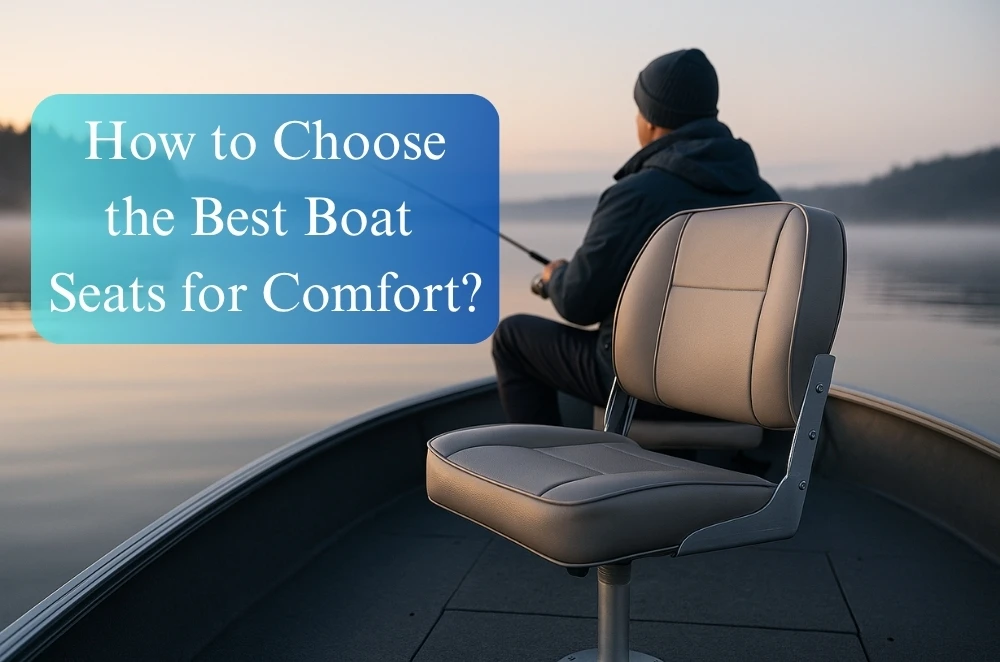

When you spend a day out on the water, you notice the little things. The gentle slap of waves, the sun bouncing off the bow, the hum of the motor — and, if you’re unlucky, the way your backside starts aching after only an hour. I’ve seen it plenty of times: the boat itself is a beauty, the engine purrs, but the seating? Either hard as a rock or sagging like an old couch. That’s why good folding marine seats for tight spaces aren’t just a “nice-to-have.” They’re what let you enjoy the trip without constantly shifting around, wondering how long before you can stand up again. And trust me, when you’re miles from the dock, you want a seat that supports you the whole way.
Understanding different seat types
Boat seats come in more shapes and styles than most first-timers realise. And not all are made for the same job.
- Folding seats – Great if your deck space is precious and you like things tidy. You can flip them down when you’re done and open up room for fishing gear or extra passengers.
- Captain’s chairs – These are built for the helm, with extra padding and support because you’ll be spending serious time here.
- Fishing seats – A bit taller, often with a swivel so you can track your line without craning your neck.
- Bench seating – Good for groups, though you might sacrifice some individual comfort for capacity.
It’s worth thinking about the kind of boating you do most often before settling on a style. A seat that works brilliantly for fishing weekends might feel awkward on a family cruise.
Why comfort and ergonomics matter
A lot of folks think comfort is just about soft cushions. It’s not. Poor ergonomics can sneak up on you — lower back aches, stiff shoulders, even neck pain. I’ve spent enough time at the helm to know that after three or four hours, the wrong seat position can ruin the rest of the day.
- Back support – Lumbar support is a game-changer, especially if you’re steering for long stretches.
- Cushion density – Too squishy and you sink; too firm and you’ll fidget the whole trip.
- Seat height – The wrong height can mean hunching over controls or straining for visibility.
- Armrests and swivel functions – They sound like luxuries, but they reduce fatigue and make movements feel natural.
The best test? Sit in the seat for a good five minutes before you buy. If you’re adjusting every few seconds, it’s not the right fit.
Considering materials and durability
Salt air, sun, and rain — your boat seats take a beating. I’ve seen cheap ones split at the seams within a season.
- Marine-grade vinyl – This is the gold standard for resisting water, mould, and UV rays.
- Stainless steel hardware – Keeps rust at bay, which is especially important if you’re out in saltwater.
- Plastic frames – Light and rustproof, though not always as sturdy as metal.
- High-density foam – Keeps its shape longer and won’t sag after a few months.
If you’ve ever replaced seats after only a year, you know that cutting corners here usually costs more in the long run.
Fitting your seats to the boating regulations
Comfort’s great, but safety always comes first. And seating has its own rules, believe it or not.
- Passenger capacity – Your seats should fit within the boat’s rated limits.
- Placement – Poor positioning can mess with balance and stability.
- Secure mounting – This isn’t the place for wobbly bolts or loose brackets.
- Compliance – Always check official guidelines before you drill a single hole.
If you’re unsure, look up boating regulations so you know you’re not just safe but also legal on the water.
Matching seats to your main boating activities
What you do on your boat will point you toward the right seating faster than any catalogue can.
- Fishing trips – Easy-to-clean surfaces, swivel bases, and good stability.
- Family cruises – Roomy benches or loungers where people can sprawl out.
- Watersports – Compact, tough seats that don’t block movement.
- Long-distance cruising – High backs, armrests, and plenty of cushioning.
Your boat might do a bit of everything, but pick seats that excel at your primary activity — it’ll pay off in comfort.
The role of adjustability
A boat isn’t like a lounge room; you can’t just shift a chair around to get the right view. That’s why built-in adjustments matter.
- Height adjustment – Crucial for visibility and comfort, especially if multiple people use the seat.
- Tilt and recline – Helps relieve tension on long trips.
- Swivel bases – Great for fishing or when you need to reach different controls.
- Fold-down backs – Handy for storage and moving around the deck.
Little adjustments might seem minor now, but hours into a trip, they can make a world of difference.
Weather resistance and maintenance
Even the toughest seats won’t last without some basic care. Marine weather is relentless.
- UV protection – Stops colours from fading and material from cracking.
- Mould resistance – No one likes a musty smell when they sit down.
- Easy-to-clean surfaces – Wipe-down convenience is a blessing after messy trips.
- Protective covers – They extend the life of your investment when the boat’s not in use.
Treat your seats well, and they’ll repay you by looking and feeling great for years.
Budget vs. value
I’ve learned this the hard way: the cheapest seat often turns out to be the most expensive in the end.
- Quality materials mean fewer replacements.
- Cheaper builds may crack, fade, or lose their cushioning fast.
- Mid-range options often balance cost and durability nicely.
- Custom builds give you exactly what you want, if your budget allows.
Think long-term. Spending a bit more now can save you from replacing seats every couple of seasons.
Choosing the right folding boat seat
For many small and mid-sized boats, folding seats hit the sweet spot between comfort and practicality.
- Space-saving – Folds away when you need room to move.
- Lightweight – Easy to reposition or store.
- Sturdy frames – Essential for handling rougher conditions.
- Proper padding – High-density foam with a weatherproof cover makes all the difference.
For more details, I’ve found choosing the right folding boat seat to be a good deep dive into portability and comfort features worth considering.
Installation and compatibility
A perfect seat still needs to fit your boat.
- Mount type – Pedestal, swivel, or fixed; each has pros and cons.
- Bolt pattern – Must align with your existing setup.
- Weight capacity – Check before installation.
- Space clearance – Avoid blocking movement or access to controls.
Measure twice, buy once — swapping out a seat after drilling holes is a headache you don’t want.
Maintenance tips for longer life
Some habits can make your seats last much longer.
- Rinse after saltwater trips – Stops corrosion and salt build-up.
- Tighten hardware – Loose fittings wear out faster.
- Use gentle cleaners – Harsh chemicals strip protective coatings.
- Store under cover – Keeps them safe from sun and rain when idle.
These steps take minutes but save you money and hassle down the track.
Final thoughts on choosing boat seats
The right boat seat isn’t just somewhere to sit — it shapes your whole experience on the water. Comfort, durability, safety, and style all matter, but the best choice is the one that suits your boat and your way of boating. I’ve been on vessels with pricey engines and fancy gadgets, yet it’s the seating that passengers rave about at the end of the day. Pick well, care for them, and your seats will keep every outing comfortable, whether you’re cruising at sunset or reeling in the catch of the day.














Sign in to leave a comment.