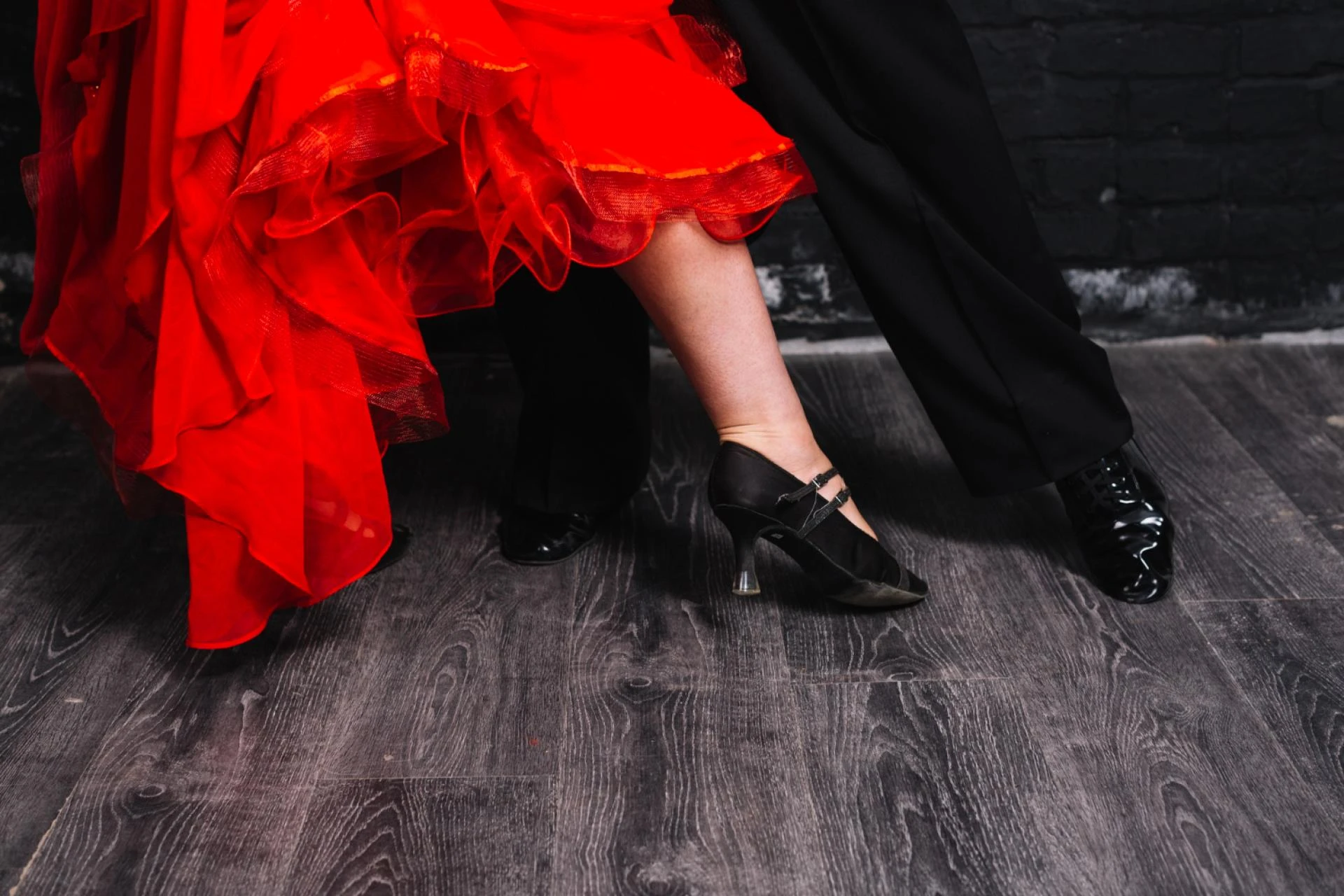

Choosing the right dance heels is one of the most important decisions a woman can make on her dance journey. The right pair supports posture, improves balance, and allows confident movement across the floor. The wrong pair can cause discomfort, instability, and unnecessary strain that distracts from learning and performance. With so many options available, understanding what truly matters in dance heels helps women make informed choices that support both comfort and style.
This guide breaks down the key elements to consider when selecting dance heels, whether for regular practice, social dancing, or performance.
Why Dance Heels Are Different from Regular Heels
Dance heels are designed for movement, not standing still. Unlike everyday heels, they are built to support turning, gliding, and controlled weight transfer. Regular heels often have stiff soles and unbalanced heel placement, which makes smooth movement difficult and increases strain on the knees and ankles.
Dance shoes womens collections are purpose-built to move with the foot. They provide the right blend of flexibility and support so dancers feel connected to the floor while maintaining stability.
Comfort Comes First, Always
Comfort is the foundation of good dancing. If dance heels are uncomfortable, it becomes nearly impossible to focus on technique, timing, or expression. Proper dance heels should feel snug but never painful. There should be no pinching at the toes, no pressure along the sides of the foot, and no slipping at the heel.
High-quality dance heels are shaped to follow the natural contours of the foot. They often feel firmer at first but adapt over time as they mold to the foot. Breathable materials and thoughtful interior design help reduce fatigue during long practice sessions.
AIDA Dance USA designs women’s dance footwear with comfort as a priority, understanding that dancers often train for hours at a time.
The Importance of Balance and Heel Placement
Heel placement is a critical factor in dance performance. In dance heels, the heel is positioned to support the dancer’s center of gravity. This helps women stay balanced during turns, spins, and directional changes.
For beginners, lower heels provide more stability and make learning easier. As dancers gain confidence and strength, they may choose higher heels that enhance leg lines and presentation. However, height alone is not the key factor. A well-balanced heel feels stable regardless of height.
Smooth ballroom dance shoes typically feature heel designs that support upright posture and controlled movement. This allows dancers to glide across the floor with ease rather than fighting for balance.
Choosing the Right Heel Height
Heel height should match both skill level and dance purpose. Beginners often benefit from lower or mid-height heels that allow them to feel grounded. Advanced dancers may prefer higher heels that enhance elegance and expression.
There is no single best height for everyone. The right choice depends on comfort, strength, and personal preference. A good rule is to choose the highest heel that still feels stable and comfortable during movement.
Trying on dance heels and testing basic movements such as walking, turning, and shifting weight can help determine whether the heel height is appropriate.
Sole Design and Floor Interaction
The sole of a dance heel affects how a dancer moves across the floor. Most professional dance shoes use suede soles because they provide the ideal balance between grip and glide. This allows dancers to turn smoothly without slipping or sticking.
Rubber soles, which are common in street shoes, can grip too much and interfere with movement. For ballroom styles, smooth ballroom dance shoes with suede soles help create fluid, controlled motion that supports technique and reduces joint strain.
Regular sole maintenance, such as brushing, helps preserve traction and performance over time.
Style That Supports Movement
Style matters, but it should never come at the expense of function. Dance heels should enhance movement, not restrict it. Straps and closures should hold the foot securely without cutting into the skin. Open-toe and closed-toe designs both have their place, depending on comfort and dance style.
Elegant design can boost confidence, but the shoe should remain a functional tool first. Well-designed dance shoes womens styles balance visual appeal with performance-driven structure.
Fit Is Non-Negotiable
Even the most well-designed heel will fail if it does not fit properly. Dance heels should fit snugly so the foot does not slide inside the shoe. Heel slippage leads to instability and discomfort, while tight shoes restrict movement and cause pain.
Because feet can change over time, dancers should reassess fit regularly, especially if training intensity increases or shoes begin to stretch.
Matching Shoes to Practice and Performance
Many dancers make the mistake of using one pair of heels for everything. Practice heels are often slightly more supportive and durable, making them better for long sessions. Performance heels are lighter and more refined, designed for presentation and precision.
Having separate pairs helps extend the life of both and ensures that dancers always have the right footwear for the situation.
Choosing Quality Over Trend
Trends come and go, but quality construction always matters. Investing in well-crafted dance heels reduces the need for frequent replacements and supports consistent performance over time. Quality materials, strong construction, and thoughtful design make a noticeable difference in comfort and stability.
AIDA Dance USA focuses on creating dance footwear that supports real movement, not just appearance. This approach helps dancers feel confident at every stage of their journey.
Conclusion
Choosing the right dance heels for women is about balancing comfort, stability, and style. Well-designed dance heels support posture, improve balance, and allow dancers to move with confidence across the floor. From heel height and sole design to fit and long-term comfort, every detail plays a role in performance quality.
Whether selecting smooth ballroom dance shoes for elegant movement or versatile dance shoes womens styles for regular training, the right footwear becomes a powerful partner in dance. With dancer-focused design and a commitment to performance and comfort, AIDA Dance USA continues to support women in finding dance heels that help them move beautifully and confidently, step after step.











Sign in to leave a comment.