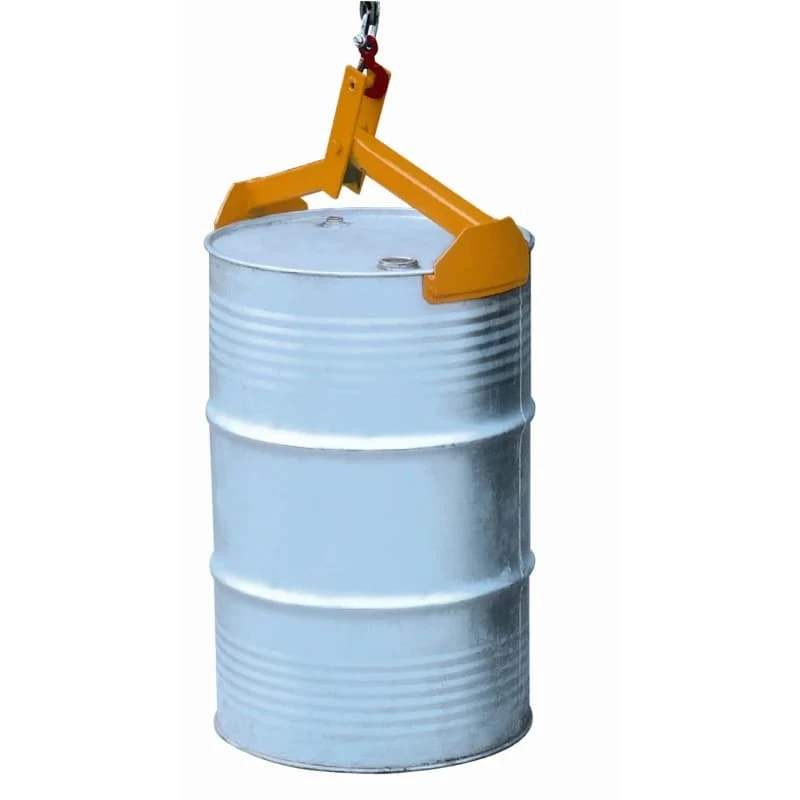

When managing large volumes of liquids, chemicals, or other materials stored in drums, it’s essential to have the right equipment to handle these items safely and efficiently. The selection of drum handling equipment is crucial not only for improving operational efficiency but also for ensuring the safety of workers and compliance with industry regulations. This article will guide you through the key considerations and factors to help you choose the right drum handling equipment in uk for your business.
Understanding Drum Handling Equipment
Before diving into the details of how to choose the right equipment, it is important to understand what drum handling equipment is and the different types available. Drum handling equipment is designed to safely move, lift, and transport drums in various work environments. This equipment can be used for a range of tasks, such as lifting, rotating, tilting, or transporting drums from one location to another.
Drum handling equipment can vary greatly in terms of size, capacity, design, and functionality. The right equipment for your business will depend on factors like the type of drum you are handling, the weight of the load, and the specific tasks your employees need to perform.
Key Considerations for Choosing Drum Handling Equipment
When selecting drum handling equipment for your business, several key factors should influence your decision. By carefully evaluating these factors, you can ensure that the equipment you choose is suitable for your specific needs and will provide the most value.
1. Weight and Size of Drums
The weight and size of the drums you handle play a significant role in determining the right equipment. Standard drums typically hold 55 gallons (210 liters) of liquid, but some drums can be smaller or larger, and they may vary in weight depending on the material they contain.
It’s important to choose drum handling equipment that can accommodate the specific weight and size of the drums in your operations. Overloading the equipment can cause safety hazards, equipment malfunction, and inefficiencies.
2. Type of Drum
Different types of drums require different handling methods. Common types of drums include steel, plastic, and fibreboard drums. Steel drums, for example, are heavy and may require more robust lifting equipment, whereas plastic drums are lighter and easier to handle.
Make sure the equipment you choose is compatible with the specific type of drum you use. Equipment designed for steel drums may not work as effectively with plastic drums and vice versa.
3. Lift Capacity
The lift capacity of drum handling equipment is another crucial factor to consider. The equipment should be capable of safely lifting the heaviest drum in your inventory. A good rule of thumb is to choose equipment that exceeds the weight of the heaviest drum by at least 25-30%. This extra margin ensures safe operation even under the most demanding conditions.
4. Work Environment
The type of environment in which your equipment will be used also plays a role in the decision-making process. Will your equipment be used in a warehouse with smooth floors, or will it be operated in an outdoor area with rough terrain? The choice of material (such as steel or aluminum), wheel type, and design should be tailored to the specific environment in which it will be used.
For instance, drum handling equipment used outdoors may need to be more rugged and resistant to weather conditions, while equipment used indoors may prioritize mobility and maneuverability.
5. Type of Operation
Consider how the drum handling equipment will be used in your daily operations. Will it be used for simple lifting, or will you require more specialized functions such as rotating or tilting drums for dispensing or mixing?
Different types of drum handling equipment are designed to accommodate different tasks. For example:
- Manual Drum Lifters: Ideal for smaller operations or occasional use.
- Electric Drum Lifters: Best for more frequent lifting or larger operations, as they offer enhanced lifting power and ease of use.
- Drum Rotators: Useful for rotating drums for dispensing or mixing contents.
6. Safety Features
Safety should always be a top priority when selecting drum handling equipment. The equipment should come with built-in safety features, such as:
- Safety locks to prevent the drum from slipping off during lifting.
- Anti-slip wheels to reduce the risk of the equipment tipping over.
- Overload protection to prevent overloading the lift capacity.
- Ergonomic designs to reduce the strain on workers and prevent injuries.
7. Ease of Use and Maintenance
Drum handling equipment should be easy to operate and maintain. It should be user-friendly, with controls that are intuitive and require minimal training. Furthermore, consider the maintenance requirements of the equipment. High-maintenance equipment may incur more downtime and cost, which could negatively impact your business operations.
Look for equipment that offers easy access to parts and is built for durability, requiring minimal maintenance and repairs.
8. Compliance with Regulations
Drum handling equipment must comply with local and international safety standards. In many industries, there are regulations governing the handling and transportation of hazardous materials. Make sure the equipment you choose adheres to all relevant safety and industry regulations, including those related to hazardous materials handling.
Types of Drum Handling Equipment
Now that you understand the key considerations when selecting drum handling equipment, it’s time to explore the different types of equipment available. Some common options include:
1. Drum Lifters and Tilters
These are some of the most common types of drum handling equipment. They are used for lifting and tilting drums for easy dispensing or mixing. Drum lifters and tilters come in both manual and powered versions, and they can be equipped with various attachments to handle different drum types.
2. Drum Rollers
Drum rollers are used to move drums horizontally by rolling them across the floor. This is useful in environments where drums need to be transported over long distances or into tight spaces. Drum rollers can be powered manually or electrically, depending on the size of the operation.
3. Drum Cradles
Drum cradles are ideal for securing drums in place during transportation or when they need to be lifted. They come in different sizes to accommodate different drum types and can be easily attached to a forklift or other lifting equipment for easy handling.
4. Drum Trucks
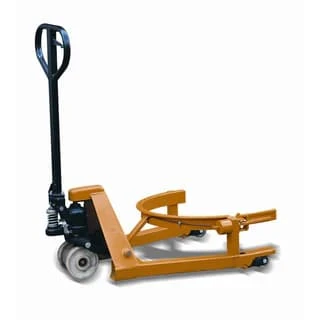
A drum truck is a versatile piece of equipment used for moving drums short distances. It can be used to lift, tilt, and transport drums efficiently. Drum trucks come with wheels for easy mobility and are often preferred for manual handling tasks in smaller workspaces.
5. Drum Crushers
If your business handles large volumes of empty drums, a drum crusher may be necessary. These machines are designed to crush and compact drums, saving space in your storage area and making recycling easier.
Final Thoughts
Selecting the right drum handling equipment for your business is a vital decision that impacts the efficiency and safety of your operations. By considering factors such as drum size and weight, the type of drum, lifting capacity, and your specific operational needs, you can choose equipment that will enhance productivity and reduce the risk of workplace accidents.
For businesses in the UK looking for high-quality drum handling equipment, it is important to consult with experts who understand the unique requirements of your operation.
At UK Lifting Store, we offer a wide range of drum handling solutions to meet the needs of businesses of all sizes. By working with trusted suppliers, you can ensure your business benefits from reliable, durable, and efficient drum handling equipment.










Sign in to leave a comment.