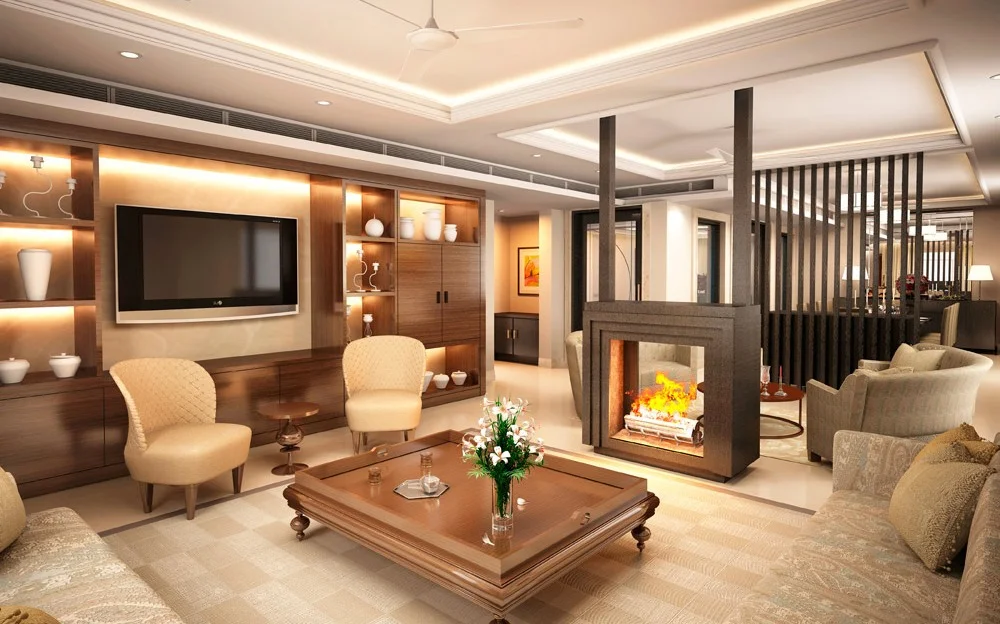

Creating the perfect ambiance in your home begins with choosing the right theme for your residential interior. The theme you select sets the tone for the entire space, reflecting your personality, lifestyle, and preferences. At Singh's Interiors, we believe that every home deserves a unique design identity that resonates with its inhabitants. In this blog, we’ll guide you through the essential steps to select the ideal theme for your home’s interior.
Understand the Importance of a Theme
A well-chosen theme offers a cohesive look and feel, connecting every room in your home through color, furniture, textures, and accessories. Without a central theme, your residential interior may feel disjointed or cluttered. Choosing a theme simplifies design decisions and ensures a harmonious flow throughout your space.
Step 1: Evaluate Your Lifestyle and Preferences
Start by considering your daily lifestyle. Are you a minimalist or someone who enjoys bold and eclectic designs? Do you prefer cozy comfort or sleek modernity? Answering such questions will help narrow down themes that naturally align with your living style.
For instance:
- A busy professional may lean towards modern or Scandinavian themes that focus on functionality and simplicity.
- A family with kids may prefer cozy farmhouse or traditional themes that emphasize warmth and comfort.
At Singh’s Interiors, we work closely with clients to understand their routines and tastes before suggesting suitable design directions.
Step 2: Analyze the Architecture and Layout
Your home’s architecture plays a crucial role in theme selection. A colonial-style home may lend itself better to classic or traditional themes, while a high-rise apartment might align well with contemporary or industrial designs.
Assess the layout, ceiling height, window sizes, and existing elements such as flooring or molding. Matching your interior theme with the structure ensures a more organic and visually pleasing result.
Step 3: Choose a Color Palette
Color is one of the most defining aspects of a residential interior. Each theme is typically associated with a distinct palette:
- Minimalist: Whites, greys, and neutrals
- Industrial: Dark tones, exposed metals, and brick
- Bohemian: Earthy colors, rich reds, and mustard yellows
- Coastal: Whites, blues, and sandy tones
Once you decide on a theme, select 2–3 primary colors and a couple of accent tones. This palette will guide your selection of paint, furniture, upholstery, and accessories.
Step 4: Pick the Right Furniture and Decor
Your furniture and decor should align with the theme in terms of style, scale, and materials:
- Traditional themes use heavy wooden furniture and ornate details.
- Modern themes incorporate sleek, clean-lined furniture with a minimalistic approach.
- Rustic interiors feature raw, natural materials like wood and stone.
At Singh’s Interiors, we offer customized furniture solutions that complement your chosen theme perfectly, ensuring style meets practicality.
Step 5: Incorporate Texture and Patterns Thoughtfully
Textures and patterns can dramatically enhance the visual interest of your residential interior. Rugs, curtains, wallpapers, cushions, and artwork are great tools for this purpose.
Keep consistency in mind:
- For a modern theme, go for geometric patterns and smooth surfaces.
- For a boho look, embrace layered textiles and intricate patterns.
- For a classic theme, use floral or damask prints and plush textures.
Step 6: Don’t Forget Lighting
Lighting is an underrated but essential element in interior design. Different themes call for different lighting types:
- Industrial: Pendant lights with metal finishes
- Modern: Recessed lighting and LED strips
- Traditional: Chandeliers and classic sconces
Singh’s Interiors integrates layered lighting designs—ambient, task, and accent—to bring out the best in any theme.
Step 7: Keep Functionality in Focus
While aesthetics are important, functionality should never be compromised. Your residential interior must cater to your daily needs.
For example:
- Ensure adequate storage in a minimalist setup.
- Maintain open, flowing spaces in modern or Scandinavian designs.
- Prioritize cozy seating and kid-friendly furniture in family-focused homes.
Step 8: Consult Interior Design Experts
Selecting the right theme can be overwhelming, especially with so many styles available. This is where professional guidance can be invaluable. At Singh’s Interiors, we provide expert consultation, 3D visualizations, and theme-based packages tailored to your home and budget.
Our experienced designers will:
- Assess your home and preferences
- Suggest suitable themes and materials
- Provide end-to-end execution—from design to delivery
Popular Residential Interior Themes to Consider
Here are a few trending themes that are popular among homeowners:
Modern Contemporary:
- Clean lines, minimal clutter, neutral palettes
- Ideal for urban homes and professionals
Scandinavian:
- White backdrops, natural elements, and functional layouts
- Perfect for smaller homes
Traditional Indian:
- Rich colors, carved wood, and cultural artifacts
- Great for those who appreciate heritage
Industrial:
- Raw finishes, exposed beams, and neutral tones
- Suitable for lofts and open-plan apartments
Bohemian:
- Layered fabrics, vibrant colors, and eclectic decor
- Appeals to free-spirited individuals
Farmhouse:
- Rustic charm with a cozy and welcoming feel
- Ideal for larger family homes
Final Thoughts
Choosing the right theme for your residential interior is both exciting and essential. It determines how your space feels, functions, and reflects your personality. By evaluating your lifestyle, architecture, and design preferences—and with the guidance of professionals like Singh’s Interiors—you can create a home that is stylish, cohesive, and uniquely yours.
Whether you're building your dream home or revamping an existing space, Singh’s Interiors is here to bring your vision to life with creativity, precision, and passion. Contact us today to begin your journey toward a beautifully themed home.








Sign in to leave a comment.