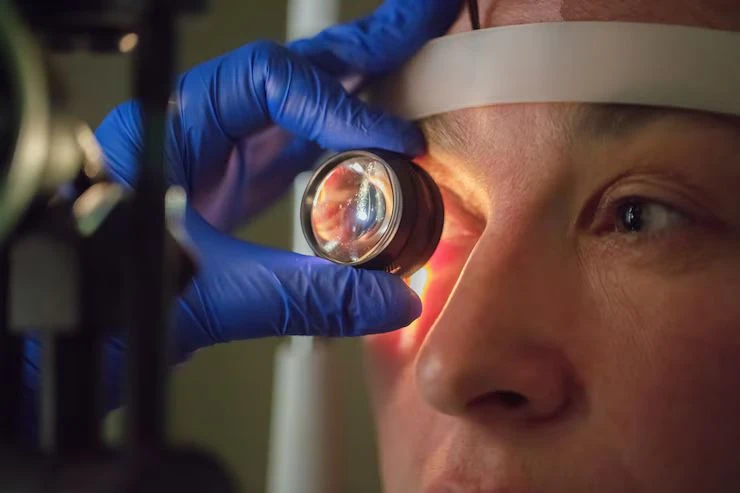

Macular degeneration is a leading cause of vision loss, particularly among older adults. For residents seeking treatment for Macular Degeneration in Tampa, finding the right eye specialist is critical to managing this condition effectively. This comprehensive guide outlines actionable steps to identify the best eye care professional in Tampa, ensuring you receive top-tier care tailored to your needs.
Understanding Macular Degeneration
Macular degeneration affects the macula, the central part of the retina responsible for sharp vision. It comes in two forms: dry (atrophic) and wet (exudative). The dry form progresses slowly, while the wet form can cause rapid vision loss. Early detection and specialized care are essential for managing Macular Degeneration in Tampa, where access to advanced medical facilities is abundant.
Why Choosing the Right Specialist Matters
Selecting a qualified eye specialist can significantly impact your treatment outcomes. A skilled ophthalmologist or retina specialist can offer advanced diagnostics, personalized treatment plans, and access to cutting-edge therapies. In Tampa, a hub for medical excellence, you have numerous options, but not all specialists are equally equipped to handle macular degeneration.
Step 1: Identify Specialists with Relevant Expertise
Look for Retina Specialists
Macular degeneration requires specialized care, often from a retina specialist—an ophthalmologist with advanced training in retinal diseases. These professionals are experts in diagnosing and treating Macular Degeneration in Tampa using techniques like anti-VEGF injections, laser therapy, and nutritional guidance.
- Tip: Search for board-certified retina specialists through the American Academy of Ophthalmology (AAO) or the American Society of Retina Specialists (ASRS).
- Action: Use online directories like Healthgrades or Vitals to find retina specialists in Tampa with high patient ratings and verified credentials.
Check for Fellowship Training
Fellowship-trained retina specialists have completed additional years of training focused on conditions like macular degeneration. This expertise ensures they are up-to-date with the latest treatments, such as gene therapies or implantable devices.
- Tip: Verify a specialist’s credentials on their practice website or through professional organizations like the ASRS.
Step 2: Research Credentials and Experience
Verify Board Certification
Board certification from the American Board of Ophthalmology ensures a specialist has met rigorous standards. Certified doctors are more likely to provide high-quality care for Macular Degeneration in Tampa.
- Action: Check certification status on the American Board of Medical Specialties (ABMS) website.
Evaluate Experience
Experience matters when treating complex conditions like macular degeneration. Specialists who regularly manage Macular Degeneration in Tampa are better equipped to handle diverse cases and complications.
- Tip: Look for specialists with at least 5–10 years of experience in retinal care. Ask about the number of macular degeneration patients they treat annually during consultations.
Review Hospital Affiliations
Tampa is home to top-tier medical facilities like Tampa General Hospital and St. Joseph’s Hospital. Specialists affiliated with these institutions often have access to advanced diagnostic tools and clinical trials for Macular Degeneration in Tampa.
- Action: Check a specialist’s hospital affiliations on their website or call their office to confirm.
Step 3: Explore Treatment Options and Technology
Advanced Diagnostic Tools
The best specialists use state-of-the-art diagnostics like optical coherence tomography (OCT) and fluorescein angiography to assess macular degeneration’s progression. These tools are critical for tailoring treatment plans.
- Tip: Inquire whether the specialist’s practice offers OCT-A (angiography), which provides detailed imaging of retinal blood vessels without dye injections.
Cutting-Edge Treatments
Tampa’s eye specialists often provide innovative treatments, such as:
- Anti-VEGF Injections: Drugs like Lucentis or Eylea to slow wet macular degeneration.
- Photodynamic Therapy: A laser-based treatment for specific cases.
- Clinical Trials: Access to experimental therapies through Tampa’s research institutions.
- Action: Ask potential specialists about their experience with these treatments and whether they participate in clinical trials for Macular Degeneration in Tampa.
Step 4: Read Patient Reviews and Testimonials
Patient feedback offers insights into a specialist’s bedside manner, communication, and treatment success. Platforms like Google Reviews, Yelp, and Healthgrades provide unfiltered patient experiences.
- Tip: Look for reviews mentioning Macular Degeneration in Tampa to gauge how well the specialist manages this condition.
- Action: Prioritize specialists with consistent 4+ star ratings and detailed reviews about their expertise and patient care.
Step 5: Consider Accessibility and Convenience
Location and Office Hours
Tampa’s sprawling layout means travel time matters. Choose a specialist with a conveniently located office, especially if you require frequent visits for injections or monitoring.
- Tip: Practices in areas like Westshore or near downtown Tampa are accessible via major highways.
- Action: Use Google Maps to check the specialist’s office location and proximity to your home.
Insurance and Costs
Treatment for Macular Degeneration in Tampa can be costly, especially for ongoing therapies like anti-VEGF injections. Confirm that the specialist accepts your insurance and offers transparent pricing for out-of-pocket costs.
- Action: Contact the specialist’s office to verify insurance coverage and inquire about payment plans for uninsured patients.
Step 6: Schedule a Consultation
A consultation allows you to assess the specialist’s approach and compatibility with your needs. Prepare questions to ensure they align with your expectations for managing Macular Degeneration in Tampa.
Questions to Ask
- What is your experience treating macular degeneration?
- Which diagnostic tools and treatments do you offer?
- Are you involved in any clinical trials for Macular Degeneration in Tampa?
- How often will I need follow-up visits?
- What lifestyle changes can support my treatment?
- Tip: Take notes during the consultation to compare specialists later.
Evaluate Communication Style
A good specialist listens attentively, explains complex terms clearly, and involves you in decision-making. This is especially important for managing a chronic condition like macular degeneration.
Step 7: Explore Local Resources and Support
Tampa offers robust resources for macular degeneration patients, including support groups and low-vision rehabilitation programs. The best specialists often connect patients with these resources to enhance their quality of life.
- Local Support Groups: Organizations like the Macular Degeneration Association host meetings in Tampa to provide education and emotional support.
- Low-Vision Aids: Specialists may recommend magnifiers, adaptive devices, or referrals to Tampa’s low-vision clinics.
- Action: Ask your specialist about local resources or check with the Lighthouse for the Blind in Tampa for additional support.
Step 8: Stay Informed About Clinical Trials
Tampa’s proximity to research institutions like the University of South Florida makes it a hub for clinical trials. Participating in trials can provide access to novel treatments for Macular Degeneration in Tampa.
- Tip: Visit ClinicalTrials.gov and search for “macular degeneration” in Tampa to find active studies.
- Action: Discuss trial eligibility with your specialist, especially if standard treatments are less effective.
Top Considerations for Choosing a Specialist
When narrowing down your options, prioritize these factors:
- Expertise: Choose a fellowship-trained retina specialist with a focus on Macular Degeneration in Tampa.
- Technology: Ensure access to advanced diagnostics like OCT and treatments like anti-VEGF therapy.
- Reputation: Select specialists with strong patient reviews and affiliations with reputable hospitals.
- Accessibility: Opt for a conveniently located practice that accepts your insurance.
- Patient-Centered Care: Look for a specialist who communicates clearly and involves you in your care plan.
Recommended Specialists in Tampa
While specific recommendations depend on your needs, Tampa boasts several renowned retina specialists. Practices like Retina Associates of Florida and Florida Retina Institute are known for their expertise in Macular Degeneration in Tampa. Always verify credentials and patient feedback before choosing.
Lifestyle Tips to Support Treatment
In addition to medical care, lifestyle changes can slow the progression of macular degeneration:
- Diet: Eat foods rich in antioxidants, like leafy greens, fish, and nuts. The AREDS2 supplement may be recommended by your specialist.
- Eye Protection: Wear UV-protective sunglasses to shield your eyes from harmful rays.
- Quit Smoking: Smoking increases the risk of macular degeneration progression.
- Regular Monitoring: Use an Amsler grid at home to track vision changes and report them to your specialist.
Conclusion
Finding the best eye specialist for Macular Degeneration in Tampa requires careful research and consideration. By focusing on expertise, technology, patient reviews, and accessibility, you can identify a retina specialist who offers personalized, high-quality care. Notably, Retina Vitreous Associates of Florida stands out with esteemed specialists like Dr. Scott Pautler, MD, and Dr. Ashley M. Crane, MD, who are highly regarded for their expertise in treating Macular Degeneration in Tampa. Tampa’s advanced medical landscape and supportive resources make it an ideal place to manage macular degeneration effectively. Take proactive steps today—schedule consultations, explore treatment options, and connect with local support to protect your vision for the future.












Sign in to leave a comment.