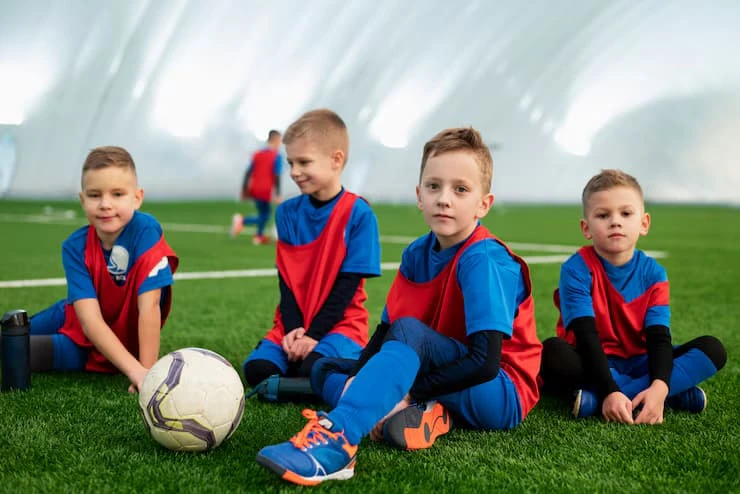

Introducing children to the world of soccer can be an exciting journey, filled with opportunities for growth, friendship, and skill development. As the popularity of soccer continues to rise, many parents are eager to get their children involved in a soccer league for kids. However, navigating the process of enrolling a child in a league can seem daunting at first. This guide aims to simplify that journey, providing parents with essential steps and insights to help their children embark on this rewarding adventure.
Understanding the Importance of a Soccer League for Kids
Before diving into the logistics of joining a soccer league, it's essential to understand the myriad benefits that participation offers. Engaging in a structured soccer league provides children with a platform to develop not only their physical skills but also social and emotional competencies. From learning teamwork and communication to building confidence and resilience, the experiences gained on the soccer field often translate into valuable life skills.
Moreover, participating in a soccer league encourages physical activity, which is vital in today’s increasingly screen-driven world. Regular exercise helps combat childhood obesity, promotes cardiovascular health, and fosters a lifelong love for fitness. Furthermore, being part of a team cultivates a sense of belonging, allowing children to forge friendships and develop a support network. Thus, enrolling a child in a soccer league for kids is not merely about soccer; it’s about holistic development.
Identifying the Right League
The first step in getting a child started in a soccer league is to identify the right league that aligns with their age, skill level, and interests. Soccer leagues vary widely, from recreational programs that focus on fun and skill development to competitive leagues aimed at more serious young athletes.
For younger children, particularly those aged 4 to 8, it’s generally advisable to start with a recreational league. These leagues emphasize enjoyment, basic skill acquisition, and teamwork, providing a supportive environment for children to explore their love for the game without the pressures of competition. As children grow older and become more skilled, parents can consider transitioning to competitive leagues that offer more advanced training and play.
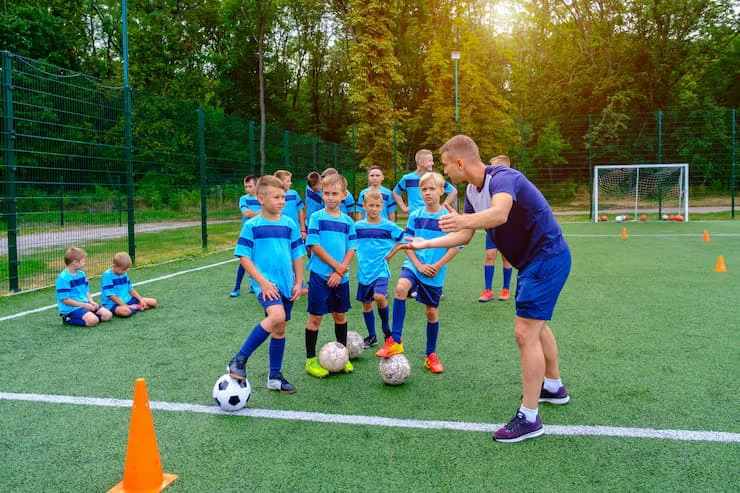
When researching local leagues, parents should consider several factors. Look for leagues that have a good reputation and positive reviews from other parents. It’s also beneficial to investigate the qualifications of the coaching staff, as experienced coaches can make a significant difference in a child’s development and enjoyment of the game. Some leagues even offer open house events or introductory clinics, allowing families to experience the program firsthand before committing.
The Enrollment Process
Once the right league has been identified, the next step is to navigate the enrollment process. Registration typically occurs online, where parents fill out necessary forms and provide details about their child, including age, skill level, and any medical information. It’s important to complete this process early, as many leagues have limited spots and fill up quickly.
In addition to registration, parents should be prepared for any associated costs. Most soccer leagues charge registration fees, which may cover uniforms, equipment, and participation costs. Understanding the financial commitment upfront helps parents make informed decisions and avoid surprises later on.
After registration, parents often receive information about practice schedules, game days, and any upcoming events. Familiarizing oneself with these details is vital for ensuring that children can fully participate in the league. Communication with league organizers can also help clarify any questions or concerns that may arise.
Preparing for the Season
As the season approaches, it’s crucial to prepare both physically and mentally for the upcoming soccer experience. Parents should ensure that their child has the necessary equipment, which typically includes cleats, shin guards, and comfortable athletic wear. Some leagues provide uniforms, while others may require parents to purchase them separately.
Beyond physical preparation, it’s equally important to discuss expectations with children. Encourage your child to approach the season with an open mind, emphasizing that the primary goal is to have fun, learn, and make new friends. While it’s natural for children to feel a mix of excitement and nervousness, reassuring them that it’s okay to make mistakes and that every player has room for growth can help ease any anxiety.
Additionally, parents can engage their children in light practice sessions at home, focusing on fundamental skills such as dribbling, passing, and shooting. This can help boost their confidence and prepare them for their first practices.
The Role of Parents During the Season
Parental involvement is a crucial aspect of a child’s experience in a soccer league. Parents are often encouraged to attend practices and games, providing support and encouragement from the sidelines. This involvement not only shows children that their parents value their interests but also fosters a sense of community among families involved in the league.
It’s essential for parents to maintain a positive attitude during games, regardless of the outcome. Celebrating small victories, such as improved teamwork or individual skill development, reinforces children’s enjoyment of the sport. Moreover, parents should model good sportsmanship, emphasizing respect for coaches, teammates, and opponents alike. This sets a powerful example for children and contributes to a positive team environment.
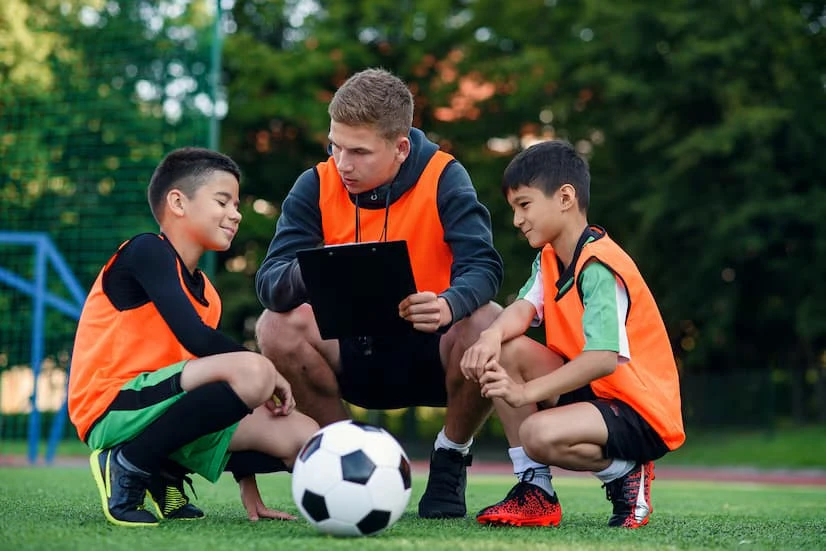
Another vital role parents can play is communicating with coaches and league organizers. Open lines of communication can help address any concerns, whether they relate to a child’s progress, scheduling conflicts, or any other issues that may arise. Building a rapport with coaches can also enhance a child’s experience, as coaches who feel supported by parents are often more invested in the development of their players.
Encouraging Long-Term Engagement
Once the season is underway, it’s beneficial for parents to encourage their children to remain engaged in soccer beyond just the league. This can include exploring additional opportunities for skill development, such as camps, clinics, or private lessons. These experiences can provide valuable training and help children refine their skills while deepening their love for the sport.
Parents might also consider encouraging their children to watch soccer games, whether it’s local matches or professional games on television. Discussing the strategies and skills observed during these games can inspire children and enhance their understanding of the sport.
Moreover, emphasizing the importance of physical fitness outside of soccer can contribute to a child’s overall well-being. Encouraging participation in other sports or physical activities can create a well-rounded athlete and help children develop diverse skills.
Conclusion
Getting a child started in a soccer league for kids is an enriching experience that opens the door to numerous opportunities for growth, friendship, and skill development. By understanding the benefits of soccer, identifying the right league, navigating the enrollment process, and actively participating throughout the season, parents can set their children on a path to success both on and off the field.
As families embark on this exciting journey, it's essential to foster a love for the sport and create a positive environment that encourages growth and enjoyment. For those looking for a fantastic soccer program that prioritizes skill development and fun, consider joining Soccer Stars. Sign up today and watch your child shine on the field!











Sign in to leave a comment.