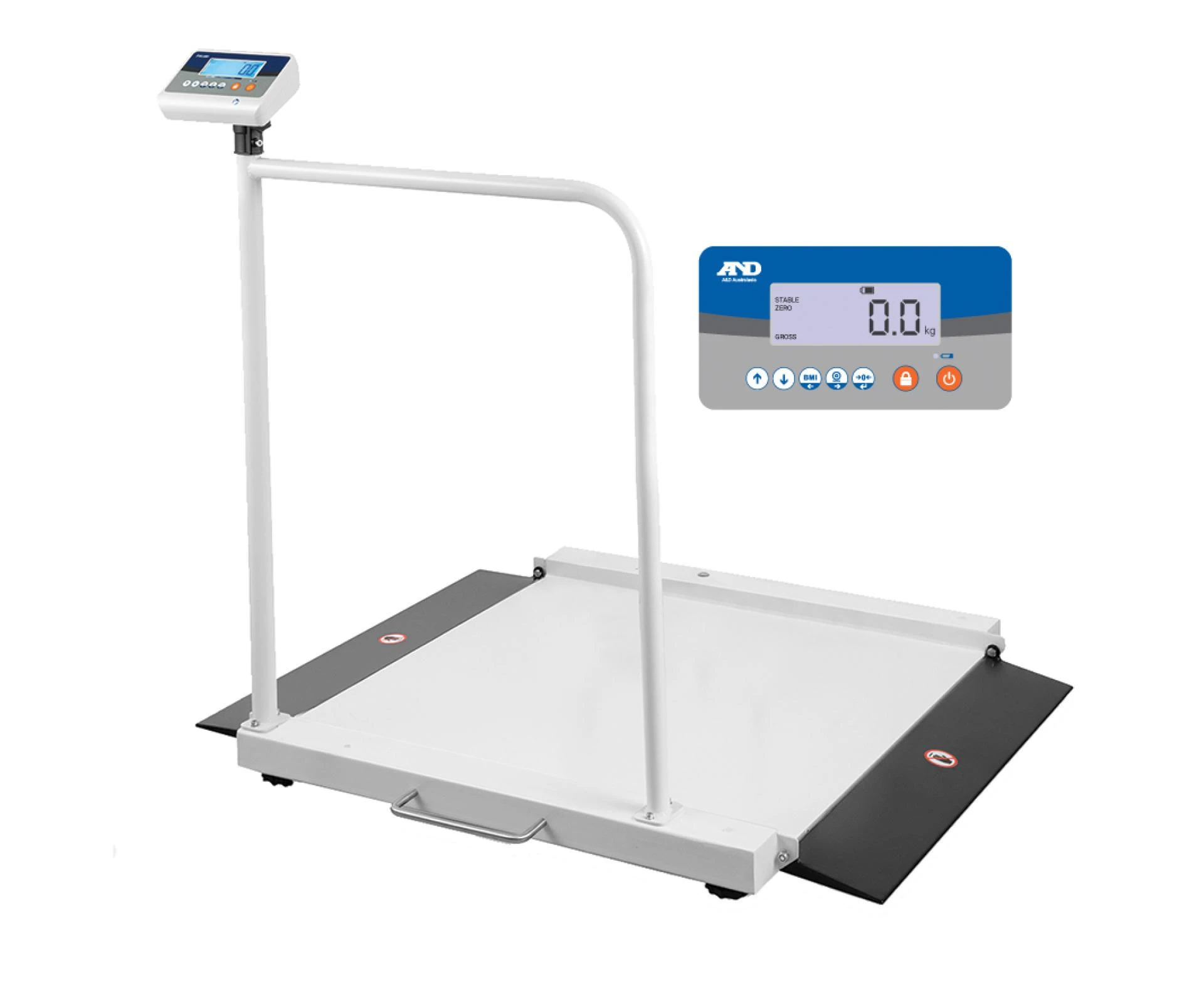

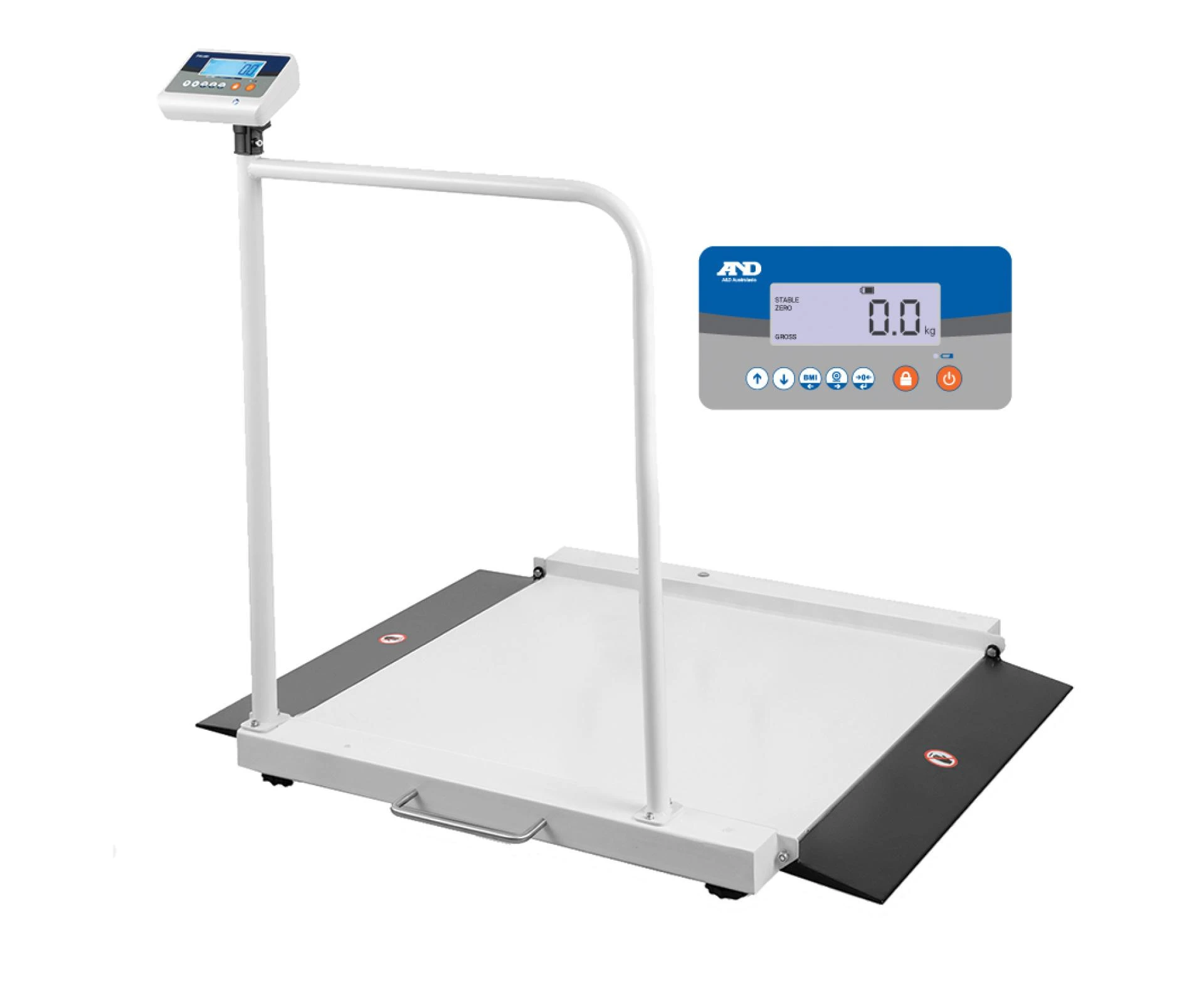
In healthcare facilities, rehabilitation centers, and assisted living environments, wheelchair scales play an essential role in monitoring the health and wellbeing of patients with limited mobility. Accurate weight measurement is vital for determining medication dosages, tracking recovery progress, and maintaining clinical records. However, even the most advanced wheelchair scale can produce inaccurate results if it’s not properly maintained and calibrated.
Why Wheelchair Scale Accuracy Matters
Accurate readings from a wheelchair scale are critical for several reasons:
- Medication Dosage: Many medications, especially for children, elderly patients, or those with chronic illnesses, are prescribed based on body weight.
- Nutritional Monitoring: In long-term care facilities, tracking weight fluctuations helps monitor patient nutrition and hydration.
- Rehabilitation Tracking: Regular, accurate weighing supports rehabilitation programs by providing consistent data over time.
- Compliance: Healthcare standards and auditing bodies require regular verification of medical equipment, including weighing devices.
Even small deviations in measurements can lead to incorrect diagnoses or treatment decisions. This is why maintenance and calibration are not just technical tasks—they are patient safety essentials.
Understanding Wheelchair Scale Calibration
Calibration is the process of comparing the readings of a scale to a known standard weight and adjusting it to eliminate any discrepancies. Over time, factors such as frequent use, temperature changes, and mechanical wear can affect the performance of a wheelchair scale.
Regular calibration ensures that:
- The scale maintains its factory accuracy.
- Measurements are consistent and repeatable.
- The device complies with medical and legal standards (such as NMI or OIML certification).
Depending on the environment, calibration should be performed every 6 to 12 months—or more frequently in high-use healthcare settings.
Signs Your Wheelchair Scale Needs Calibration
A well-maintained wheelchair scale will provide stable and consistent readings. However, the following signs may indicate that recalibration is necessary:
- Inconsistent Readings: If the same patient or test weight produces different results on consecutive weighings.
- Fluctuating Display: Numbers flicker or shift even when no movement occurs on the platform.
- Error Codes or Drift: The scale displays error messages or shows gradual measurement drift.
- Obvious Physical Damage: Loose bolts, bent ramps, or uneven platforms can affect balance.
- Environmental Changes: Relocating the scale to a new room, especially with different flooring or temperature, can impact accuracy.
If any of these issues occur, calibration and maintenance should be performed immediately.
Step-by-Step Guide: How to Maintain Your Wheelchair Scale
Proper maintenance helps extend the life of your scale and ensures consistent accuracy. Follow these steps as part of your regular equipment care routine:
1. Keep the Scale Clean
- Use a damp cloth with mild detergent to wipe surfaces after use.
- Avoid harsh chemicals or excessive water, as moisture can damage internal components.
- Regularly clean under and around the platform to remove dust or debris that may affect balance.
2. Check for Physical Damage
Inspect the platform, ramps, handrails, and display cables for wear and tear. Tighten any loose bolts and ensure the platform sits evenly on the floor. If the scale uses wheels for portability, make sure they lock securely to prevent movement during weighing.
3. Ensure Proper Leveling
Wheelchair scales rely on even weight distribution for accuracy. Use the built-in bubble level or a separate spirit level to ensure the platform is flat. Adjust the leveling feet if necessary.
4. Manage Environmental Factors
- Place the scale in a stable, vibration-free area.
- Avoid locations near air vents, direct sunlight, or fluctuating temperatures.
- Keep electrical devices like ventilators or mobile phones away during weighing to reduce electronic interference.
5. Store Properly When Not in Use
If the scale is portable, store it in a dry, secure area. Avoid stacking heavy objects on it, and protect the display and cables from bending or strain.
How to Calibrate a Wheelchair Scale
While many wheelchair scales come with automatic internal calibration, manual calibration or professional verification may still be required to maintain certification standards. Here’s a general procedure:
1. Prepare the Scale
- Ensure the scale is clean, level, and free of obstructions.
- Allow it to warm up (typically 15–30 minutes) after turning it on, so the load cells stabilize.
- Check that the display reads zero before starting.
2. Use Certified Test Weights
Calibration must be performed with certified calibration weights that match the scale’s capacity. For example, if the scale measures up to 300 kg, test weights should cover a range from 50 kg to 300 kg.
3. Enter Calibration Mode
Follow the manufacturer’s instructions for your specific model. This typically involves:
- Entering a service or calibration mode using the control panel.
- Inputting known test weight values.
4. Apply the Test Weight
Place the test weight (or a combination of weights) on the scale platform evenly. Record the displayed value and compare it to the actual test weight.
If there’s a discrepancy:
- The scale’s calibration factor must be adjusted according to the manual.
- Repeat the process until the reading matches the test weight within acceptable tolerance levels.
5. Verify Across Multiple Points
For best results, calibrate using at least three weight points—light, medium, and near maximum capacity. This ensures accuracy across the entire range of operation.
6. Complete Verification
Once calibration is finished, perform a few test weighings to confirm consistency. Document the process in a calibration logbook, including date, technician, test weights used, and results.
Professional Calibration and Certification
While routine maintenance can be done in-house, professional calibration services are recommended at least once a year. Certified technicians use traceable standards and specialized tools to verify your scale’s accuracy in compliance with National Measurement Institute (NMI) or OIML guidelines.
A professional service will:
- Inspect load cells and electronics.
- Verify linearity and repeatability.
- Provide a calibration certificate confirming compliance.
This documentation is essential for healthcare audits and maintaining regulatory compliance.
Common Mistakes to Avoid
Even experienced staff can unknowingly compromise a scale’s accuracy. Avoid the following mistakes:
- Skipping zeroing before weighing: Always ensure the display reads zero before placing a patient.
- Overloading the scale: Exceeding capacity can permanently damage the load cells.
- Ignoring environment changes: Moving the scale or changing room conditions without recalibration affects readings.
- Using uncertified weights for testing: Household or gym weights are not suitable for calibration.
Conclusion
Your wheelchair scale is a vital part of patient care, ensuring safe and accurate weight monitoring. However, like any precision instrument, it requires regular maintenance, calibration, and care to function at its best.
By cleaning it routinely, checking for wear, controlling environmental factors, and calibrating it periodically, you can ensure reliable results every time you weigh a patient. Moreover, partnering with a certified calibration service helps maintain compliance and peace of mind for healthcare professionals and patients alike.
Investing a little time in maintaining your wheelchair scale today will pay off with years of dependable accuracy, improved safety, and better patient outcomes tomorrow.











Sign in to leave a comment.