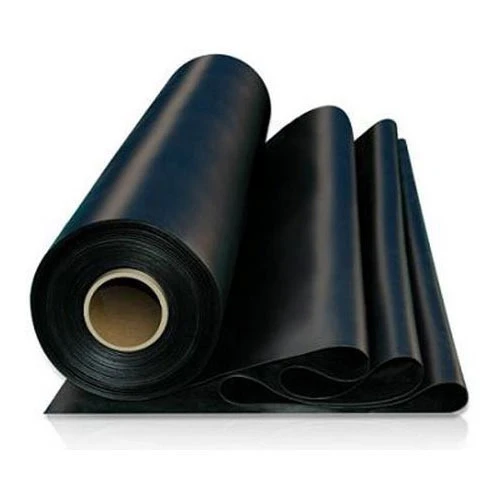

Rubber sheets are the unsung heroes of many industries. Whether they’re used for sealing, insulating, vibration control, flooring, or lining equipment, rubber sheets play a crucial role in keeping operations smooth, safe, and efficient. But like any other material, they need the right care to perform well over time.
If you’re using rubber sheets in your facility, workshop, or project, proper maintenance can significantly extend their lifespan and help you get the best value for your investment. In this blog, we’ll walk through some practical, real-world tips on how to maintain your rubber sheets and keep them working like new.
Ways to Extend the Life of your Rubber Sheets
1. Choose the Right Rubber for the Job
Before we get into maintenance, let’s start with the basics. One of the most important things you can do to ensure long life is to select the right type of rubber sheet for your application.
Different rubbers serve different purposes:
- EPDM is great for outdoor and weather-resistant uses.
- Neoprene is good for oil and chemical resistance.
- Nitrile is best for contact with petroleum-based fluids.
- Silicone performs well in high-temperature environments.
Using the wrong type of rubber will lead to premature wear, cracking, or failure no matter how well you maintain it.
2. Clean Regularly, but Gently
Rubber sheets should be cleaned on a regular basis to remove dirt, oil, chemicals, or other residues that can degrade the material over time.
Here are a few tips:
- Usage of water and mild soap regular cleaning
- Avoid harsh chemicals, solvents, or acidic cleaners unless the rubber is rated to handle them.
- Avoid using harsh scrubbers - Use soft cloth or sponge
Routine cleaning keeps the surface free of contaminants and helps you spot early signs of damage before they become serious problems.
3. Store Them Properly
Proper storage is often overlooked but can make a big difference in how long your rubber sheets last. When not in use:
- Store rubber sheets in a cool, dry environment, protected from direct sunlight and exposure to UV rays.
- Avoid heat sources like boilers, engines, or heaters.
- Don’t stack heavy items on top of rolled rubber sheets, as this can cause deformation.
Rubber is sensitive to environmental conditions. Exposure to ozone, moisture, or extreme temperatures can slowly degrade the material even if it's not in use.
4. Avoid Overstretching and Overloading
Rubber sheets are flexible—but even they have limits. Stretching or compressing them beyond their rated tolerance can cause permanent deformation or cracking. If the rubber is being used under pressure (like as a gasket or lining), make sure it’s properly supported and not exposed to excessive strain.
If you notice signs like thinning, warping, or visible tears, it may be time to replace the sheet or adjust your setup.
5. Inspect for Wear and Tear
Like with any industrial material, routine inspection is key. Check your rubber sheets regularly for:
- Cracks or splits
- Discoloration
- Hardening or brittleness
- Surface wear
Early detection can help you repair or replace worn sections before they cause bigger problems like leaks, equipment damage, or system failure.
6. Don’t Ignore Manufacturer Guidelines
Each rubber sheet comes with instructions from the rubber sheet manufacturer, like how much heat it can handle, which chemicals it can resist, and how thick it should be for safe use.
Following these recommendations can greatly reduce premature damage and help you get the most out of the material.
If you're unsure about a specific application, it's always a good idea to consult the supplier or manufacturer directly.
Final Thoughts
Rubber sheets are built to be tough, but even tough materials need care. With the right approach to selection, cleaning, storage, and handling, you can extend the life of your rubber sheets and reduce replacement costs in the long run.
Think of maintenance as a small habit that pays off big saving you money, minimizing downtime, and keeping your operations running safely and smoothly.











Sign in to leave a comment.