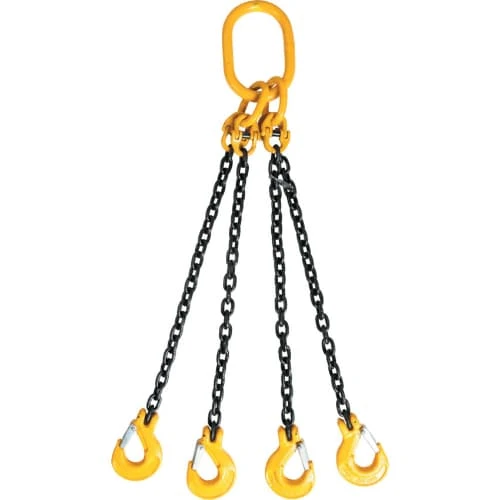

Lifting heavy loads requires precision, safety, and the right equipment. Among the most essential components of lifting operations are slings. Slings for lifting equipment are used to secure and lift various loads, and choosing the correct type and size of sling is critical to ensuring a safe and efficient operation.
However, selecting the right sling for the job can be a daunting task, especially with so many options available. In this article, we will guide you through the process of matching the right sling to your lifting equipment, ensuring a safe and efficient lift every time.
Understanding Slings for Lifting Equipment
Before diving into the details of matching slings with lifting equipment, it is essential to understand what slings are and how they function. A sling is a length of flexible material used to lift and support heavy loads. They are designed to be used in combination with lifting equipment such as cranes, hoists, or forklifts.
Slings come in various materials, designs, and configurations, depending on the application. Common types of slings include:
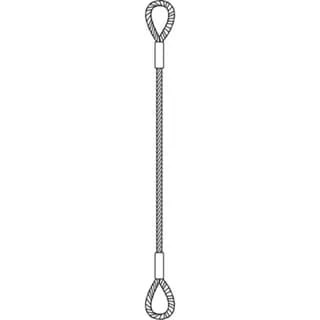
- Wire Rope Slings: Made of steel wires, these slings are strong and durable, ideal for heavy-duty lifting.
- Chain Slings: These are made of heavy-duty steel chains and are typically used for lifting heavy, abrasive, or hot materials.
- Synthetic Slings: These slings are made from polyester, nylon, or other synthetic materials and are often used for more delicate loads due to their flexibility and resistance to abrasion.
- Webbing Slings: These are soft and lightweight slings often used for lighter loads or when lifting fragile items.
Each type of sling has its strengths and limitations, and selecting the right one requires a clear understanding of the lifting equipment and the load you intend to lift.
Factors to Consider When Matching Slings to Lifting Equipment
1. Load Type and Weight
The first and most important factor when choosing slings for lifting equipment is the type and weight of the load. Lifting slings are rated for different capacities, and matching the sling’s load-bearing capacity to the weight of the load is crucial for safety.
a. Weight of the Load
Each sling comes with a specific weight capacity, which should be clearly marked on the label. It is essential to select a sling that can handle the load’s weight without exceeding its rated capacity. Exceeding this limit can lead to sling failure, posing a serious risk to both the load and the workers involved.
- Tip: Always choose a sling with a higher weight capacity than the actual load. This provides a safety margin and accounts for any unexpected fluctuations in load weight during lifting.
b. Type of Load
Different loads require different types of slings based on their size, shape, and material. For example, lifting irregularly shaped or heavy loads may require a sling that offers more stability and support, such as a wire rope or chain sling. Conversely, a delicate load, like a piece of glass or machinery, might require a synthetic or webbing sling to prevent damage.
- Tip: Ensure the sling type matches the load’s characteristics. For fragile items, use synthetic slings, while for heavy or abrasive loads, wire rope or chain slings are more appropriate.
2. Lifting Equipment Type
The type of lifting equipment used also plays a significant role in choosing the right sling. Whether using a crane, hoist, forklift, or any other lifting machine, the design and capacity of the lifting equipment must be considered.
a. Compatibility with Lifting Equipment
Ensure the sling is compatible with the lifting equipment’s hooks, shackles, or lifting points. For example, a chain sling may require specialized hooks or lifting points, while a webbing sling may fit a broader range of equipment. The connection between the sling and the lifting equipment must be secure to ensure safe lifting.
- Tip: Always check that the lifting equipment’s attachments, such as hooks and shackles, match the type of sling used. This ensures proper attachment and avoids any risk of sling detachment during lifting.
b. Lifting Method
Different lifting methods require different sling configurations. For example, if you are lifting a load using a crane, you may need a sling that can be configured into a "basket" or "choker" hitch, which offers different levels of support and stability. Some lifting equipment, such as forklifts or hoists, may require slings designed for single-point lifts.
- Tip: Understand the lifting method you plan to use and ensure the sling is designed for that specific application. This ensures that the load is balanced and stable during lifting.
3. Lifting Environment and Conditions
The environment in which lifting operations are conducted can affect the choice of sling. Harsh conditions, such as high temperatures, moisture, or exposure to chemicals, can impact the integrity of certain types of slings.
a. Environmental Factors
- Heat Resistance: If you are lifting hot materials, a synthetic sling may not be appropriate due to its limited heat tolerance. A chain or wire rope sling is typically better suited for high-temperature environments.
- Chemical Exposure: If the lifting equipment will be used in environments with chemical exposure, it is essential to choose a sling made from materials resistant to corrosion or degradation.
- Moisture and Wet Conditions: Webbing slings or synthetic slings may absorb moisture, leading to potential weakening. In environments where slings will be exposed to wet conditions, wire rope or chain slings might be a better option.
- Tip: Consider the environmental conditions, such as temperature, chemical exposure, and moisture, and choose slings made from materials that can withstand these factors without compromising safety.
b. Outdoor and Marine Applications
If lifting in outdoor or marine environments, it is important to select a sling that is resistant to UV light, moisture, and saltwater corrosion. Synthetic slings, for instance, can deteriorate under UV exposure, while steel slings may require additional protective coatings to prevent rusting.
- Tip: For outdoor and marine environments, choose slings designed for these conditions, such as galvanized steel chain slings or corrosion-resistant wire rope slings.
4. Length and Size of the Sling
The length of the sling plays an important role in determining how the load is lifted. A sling that is too short will limit the lifting angle, potentially causing instability, while a sling that is too long may allow the load to swing during lifting.
a. Adjusting Sling Length
When using slings for lifting equipment, the length should be selected to allow for the desired lifting angle and load positioning. A longer sling may be required if the lifting point is higher than the load or if more flexibility is needed for positioning.
- Tip: Measure the distance between the lifting point and the load before selecting the sling. Choose a length that will allow the load to be lifted at the desired angle without causing strain or imbalance.
b. Safe Working Load Limit (SWL)
Ensure that the sling you choose has an appropriate safe working load limit. The SWL is based on the sling's material, design, and configuration. For example, webbing slings generally have a lower SWL than wire rope slings, so it is essential to select the appropriate sling based on your specific needs.
- Tip: Always match the sling’s SWL to the load you are lifting, factoring in the potential for load shifts or unexpected weight fluctuations.
5. Inspection and Maintenance Requirements
Proper inspection and maintenance of slings for lifting equipment are essential to ensure safety and extend the life of the equipment. Over time, slings can wear out or become damaged, which can compromise their effectiveness.
a. Regular Inspections
Before each use, inspect the sling for signs of damage, such as cuts, fraying, or corrosion. Check the stitching on synthetic slings, and ensure that the hooks and attachment points are in good condition. Damaged slings should be removed from service immediately and replaced.
- Tip: Develop a regular inspection routine to check slings before and after each use. This helps to identify any potential issues early, ensuring safe lifting operations.
b. Proper Storage
Proper storage of slings is essential to prevent unnecessary wear and tear. Slings should be stored in a dry, cool environment away from direct sunlight, chemicals, and sharp edges that could cause damage. When not in use, avoid storing slings under heavy loads.
- Tip: Store slings on reels or in protective covers to prevent them from becoming tangled or exposed to damaging environmental factors.
Conclusion
Choosing the right sling for lifting equipment is crucial for ensuring the safety and efficiency of lifting operations. By considering factors such as load type, lifting equipment, environmental conditions, and sling length, operators can select the most appropriate sling for the task at hand. Regular inspections and proper maintenance are also key to keeping lifting operations safe and effective.
When selecting slings for lifting equipment, always ensure that the sling matches the requirements of the specific lifting task. Whether you are working in harsh conditions, lifting delicate loads, or using specialized lifting equipment, there is a sling that fits your needs.
For more information on the best slings for your lifting equipment, visit UK Lifting Store, where we offer a wide range of high-quality slings designed to ensure safe and efficient lifting.










Sign in to leave a comment.