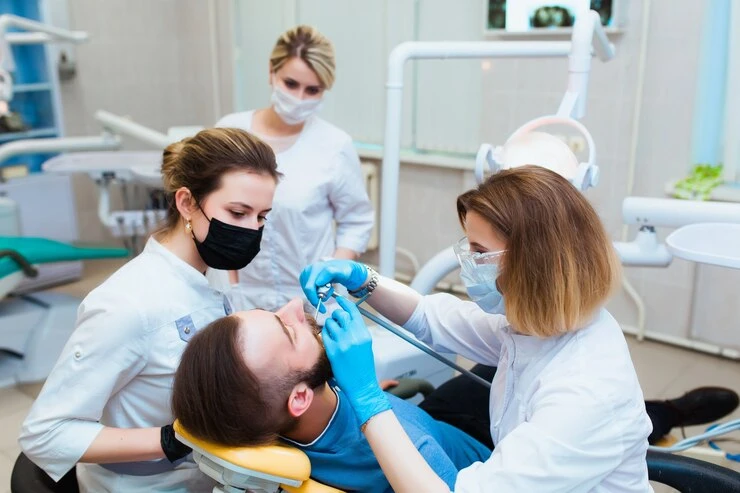

Dental emergencies can strike without warning. Whether it’s an unbearable toothache in the middle of the night, a chipped tooth after a fall, or a dislodged filling just before an important meeting, knowing how to act fast makes all the difference. If you’re in the capital and faced with sudden dental distress, knowing how to locate an emergency dentist in London quickly can help you minimise pain, prevent complications, and restore peace of mind.
Understanding What Constitutes a Dental Emergency
Not every dental issue requires immediate attention, but there are certain signs you should never ignore. A true dental emergency may involve:
- Severe or persistent toothache
- A knocked-out, chipped or cracked tooth
- Swelling of the face or gums
- Bleeding that doesn’t stop
- Abscesses or infections causing pain or fever
- Lost crowns, fillings, or broken braces causing discomfort
The first step is to assess the situation calmly. If it’s outside regular clinic hours or your usual dentist can’t see you immediately, it’s time to look for an emergency dentist in London.
Start with an Online Search — But Use the Right Terms
Time is of the essence during an emergency, so using precise search terms is key. Typing emergency dentist London into a search engine will yield targeted results.
Look for practices that offer:
- Same-day appointments
- 24/7 or extended hour services
- Clear contact details and emergency numbers
- Walk-in availability if possible
Check whether the websites include information about common emergencies, pricing, and whether you need to call before arriving.
Check Online Reviews and Ratings
Even when acting quickly, it’s worth taking a moment to read reviews. Google, Trustpilot, and NHS websites often feature patient feedback. Look for mentions of:
- Fast response times
- Friendly or understanding staff
- Clean facilities
- Transparent pricing
- Quality aftercare
Positive experiences from others can give you confidence, especially if you’re feeling nervous or in pain.
Call Ahead and Ask the Right Questions
Once you've found a clinic that offers emergency appointments, calling ahead can help you prepare better. When speaking to the receptionist or emergency dental line, be sure to ask:
- Do they accept walk-ins or must you book in advance?
- Are there any waiting times?
- What identification or medical history is required?
- What are the fees for emergency consultations or treatments?
- Do they accept NHS patients, private patients, or both?
Being informed reduces the chance of delays or unexpected issues when you arrive.
Don’t Overlook NHS Emergency Options
If cost is a concern, you may want to explore NHS emergency dental services. The NHS operates urgent care centres across London, but availability may be limited and appointments are typically triaged by severity.
To access these services, you can:
- Call NHS 111 for advice and referral
- Visit the NHS website and search for “urgent dental care services” in your postcode
- Ask your GP or local pharmacist for recommendations
Keep in mind that NHS emergency appointments may not cover full restorative procedures, so a follow-up with your regular dentist might be necessary.
Use Dental Helplines and Apps
Londoners have access to several services and platforms that streamline emergency dental care. Apps like Zesty, Toothpick, and even Google Maps offer real-time appointment availability and reviews. Some private dental groups also have helplines with triage nurses or on-call dentists who can assess your symptoms over the phone and direct you to the nearest clinic.
These platforms can also help you filter by:
- Opening hours
- Treatments offered
- Payment options (insurance, private, NHS)
- Proximity via GPS
Having such tools installed or bookmarked in advance can save precious time during a crisis.
Walk-in Clinics and 24-Hour Practices
Certain dental practices in London specifically cater to emergencies and are open 24 hours, including weekends and holidays. These clinics can often see you without prior registration. Many are located in central zones or near major transport hubs like:
- King’s Cross
- Liverpool Street
- Victoria
- Paddington
Being aware of these locations ahead of time, especially if you frequently travel for work or live alone, can be extremely beneficial. Note their contact details or keep a list on your phone or wallet.
What to Do While You Wait
Even with quick action, there may be a brief wait before you're seen. In that case, managing symptoms properly is essential. Here are a few things you can do:
- Pain relief: Over-the-counter medications such as paracetamol or ibuprofen can help manage pain temporarily.
- Rinse: Use warm salt water to rinse your mouth gently, particularly if there’s swelling or bleeding.
- Cold compress: Applying a cold pack to the outside of your cheek can reduce swelling.
- Preserve the tooth: If you’ve knocked out a tooth, store it in milk or between your cheek and gum to keep it moist until you reach the dentist.
Avoid placing aspirin directly on the gums, as this can cause irritation or chemical burns.
Be Prepared for Future Emergencies
While it’s impossible to predict dental emergencies, you can prepare for them. Consider the following steps:
- Save the contact information of a reliable emergency dentist London clinic on your phone.
- Create a small dental emergency kit with gauze, painkillers, and antiseptic mouthwash.
- Schedule regular check-ups to prevent issues from escalating into emergencies.
- If you travel often, find emergency dental services near your work or accommodation.
Knowing who to contact and how to respond reduces panic and ensures faster relief if the situation arises again.
Emergency dental care in London doesn’t have to be stressful or confusing. With the right knowledge and resources, you can navigate a dental crisis confidently and swiftly. From using precise online searches and trusted apps to calling ahead and knowing your NHS options, there are several practical ways to find prompt relief when you need it most. By staying informed and prepared, you’re taking the first step toward protecting your oral health, no matter what surprises come your way.










Sign in to leave a comment.