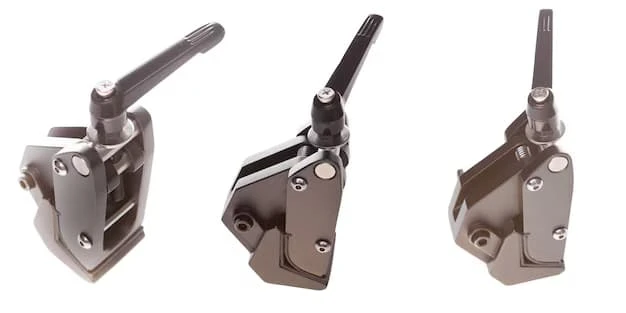

Lifting heavy machinery requires careful planning, precision, and the right tools. Among the various lifting equipment available, the toe jack stands out as a versatile and powerful tool for safely raising heavy loads in tight or constrained spaces. Whether you're moving large machines in a factory, rigging heavy equipment for transport, or performing maintenance, using a toe jack correctly can prevent damage to the equipment and ensure safety during the lifting process. In this article, we will guide you through the proper steps for safely using a toe jack to lift heavy machinery.
What is a Toe Jack?
A toe jack is a specialized lifting tool designed to raise heavy machinery and equipment, particularly in situations where access beneath the load is limited. The toe jack has a low profile, with a narrow lifting foot or “toe” that can slide underneath machinery. Once in position, the jack uses hydraulic or mechanical force to lift the load. This makes it an ideal solution for lifting machinery in confined spaces or when traditional lifting methods are not feasible.
Toe jacks are commonly used in industries such as construction, manufacturing, and logistics, where heavy equipment needs to be moved or positioned precisely. They come in various weight capacities and configurations to suit different lifting needs.
Why Use a Toe Jack?
1. Low Profile Design
One of the key features of a toe jack is its low-profile design, allowing it to access spaces beneath heavy machinery that would otherwise be unreachable for standard lifting equipment like floor jacks or cranes. This makes toe jacks indispensable for situations where clearance is limited, such as beneath industrial machines or large pieces of equipment.
2. Hydraulic Lifting Power
Most toe jacks utilize hydraulic systems to generate the force needed to lift heavy loads. Hydraulic lifting provides a smooth, controlled lift that minimizes the risk of damage to the machinery or the lifting equipment. Additionally, hydraulic toe jacks offer the advantage of adjustable height, enabling the user to lift machinery to the required level before moving or securing it.
3. Precise Lifting and Positioning
Toe jacks are excellent for lifting machinery with a high degree of precision. Their ability to lift heavy loads in confined spaces allows for careful placement and repositioning of the machinery. This is particularly useful when setting up equipment in tight corners or moving machinery to specific spots within a production area.
4. Versatility in Heavy Lifting
Toe jacks are designed to handle heavy, industrial machinery. With weight capacities ranging from a few tons to over 100 tons, they can safely lift a wide range of machines, from smaller workshop equipment to large industrial machines and vehicles.
How to Safely Lift Heavy Machinery with a Toe Jack
Using a toe jack to lift heavy machinery is not as straightforward as simply placing the jack and activating the lift. To ensure safe and effective lifting, several steps should be followed to minimize the risk of accidents or damage to the machinery. Here's a step-by-step guide on how to safely lift heavy machinery with a toe jack.
1. Preparation and Inspection
Before you begin using a toe jack, ensure that you have thoroughly inspected both the machinery and the jack. Preparation is key to ensuring a safe lift.
a. Inspect the Toe Jack
Before using the toe jack, check it for any signs of wear, damage, or malfunction. Ensure that the hydraulic system is functioning properly and that there are no leaks or cracks in the structure. If the toe jack is in poor condition, it could fail during use, leading to accidents or damage.
- Tip: Always check the manufacturer's recommended weight limits for the jack to ensure it can handle the weight of the machinery you are lifting.
b. Assess the Load
Before lifting, ensure that the load is stable and properly positioned. If the machinery is not securely placed, it could shift during lifting, causing imbalance or damage. Check for any hazards around the machine and ensure that it is properly secured before attempting to lift it.
- Tip: If necessary, use additional equipment like blocks or supports to stabilize the load before starting the lift.
2. Position the Toe Jack
Once the machinery and the toe jack have been inspected, the next step is to position the toe jack beneath the load. The "toe" of the jack needs to be carefully slid into position under the machinery’s lifting points.
a. Find the Proper Lifting Points
Locate the appropriate lifting points on the machinery where the toe jack can be positioned. These are typically reinforced areas of the machine that are designed to handle lifting forces. Many pieces of industrial equipment have designated lifting points marked for safe use. If unsure, refer to the machinery's user manual or consult with a professional.
b. Align the Toe Jack Correctly
Position the toe jack in such a way that it is perpendicular to the lifting points, ensuring that the jack is stable and aligned properly. The jack should be placed on a level surface to prevent any tilting or instability during the lift. Ensure that the jack’s lifting toe is securely positioned beneath the load, but avoid forcing it into place.
- Tip: In tight spaces, it may be necessary to use a crowbar or other tools to gently maneuver the toe jack into position without damaging the machine or the jack.
3. Begin Lifting Slowly and Steadily
Once the toe jack is properly positioned, begin the lifting process by activating the hydraulic system. It’s crucial to lift the machinery slowly and steadily to avoid sudden jerks or uneven lifts, which can cause damage.
a. Gradual Lifting
Start by lifting the machinery a little at a time. Raise the load in small increments, monitoring the machinery closely to ensure that it remains stable and level. Avoid trying to lift the machine all at once, as this can place excessive strain on both the jack and the machinery.
b. Check for Stability
As the machinery lifts, check its stability regularly. Ensure that it is rising evenly and is not leaning or shifting to one side. If any instability is noticed, stop the lift immediately and recheck the positioning of the jack or the load.
- Tip: Use a level to check that the machinery is lifting evenly, especially if it is a large or cumbersome piece of equipment.
4. Use Additional Supports If Necessary
Depending on the height of the lift and the weight of the machinery, it may be necessary to use additional support equipment like wooden blocks or steel plates beneath the load as it is lifted. These supports can provide added stability, reducing the risk of the load tipping or shifting.
a. Add Blocks or Plates
Once the machinery is raised to the desired height, place sturdy blocks or steel plates under the machinery to support it. These supports should be strong enough to hold the load securely without buckling.
b. Lower the Toe Jack
After the machinery is safely supported, slowly lower the toe jack back into place. Be careful not to release the hydraulic pressure too quickly, as this could cause the machinery to drop suddenly.
- Tip: Always ensure that the machinery is stable on the supports before fully lowering the toe jack.
5. Recheck the Position and Perform Final Adjustments
Once the machinery is lifted and supported, recheck the position of the load. Ensure that the equipment is perfectly aligned and securely supported on the blocks or plates. Make any final adjustments necessary to position the machinery as required.
a. Ensure Proper Clearance
If you plan to move the machinery or place it in a new location, ensure that there is adequate clearance around the equipment to prevent any damage during the movement.
- Tip: Always move slowly and with caution when repositioning machinery that is supported by a toe jack, especially if the load is large or complex.
6. Safety Precautions
Throughout the entire lifting process, prioritize safety. Always wear appropriate personal protective equipment (PPE), such as gloves, steel-toed boots, and a hard hat. Additionally, ensure that all personnel involved in the lifting process are well-trained and aware of the procedures.
a. Never Overload the Toe Jack
Do not exceed the rated lifting capacity of the toe jack. Overloading can cause the jack to fail, leading to catastrophic accidents or damage.
b. Keep a Safe Distance
When lifting heavy machinery, ensure that all personnel remain at a safe distance from the lifting area. Never position yourself directly beneath the load, as this could result in injury if the machinery shifts or the lifting equipment fails.
Conclusion
Using a toe jack to lift heavy machinery requires careful planning, proper equipment, and a methodical approach. By following the steps outlined above, you can safely and efficiently lift heavy loads, whether for maintenance, relocation, or positioning. Always ensure that the jack is in good condition, the load is stable, and all safety measures are in place before attempting any lifting operation.
For high-quality toe jacks and other lifting equipment, it is important to choose trusted suppliers that offer reliable products to ensure the safety and success of your lifting tasks. At UK Lifting Store, we provide a wide range of lifting solutions, including premium toe jacks, designed to meet your needs for safe and efficient machinery lifting.










Sign in to leave a comment.