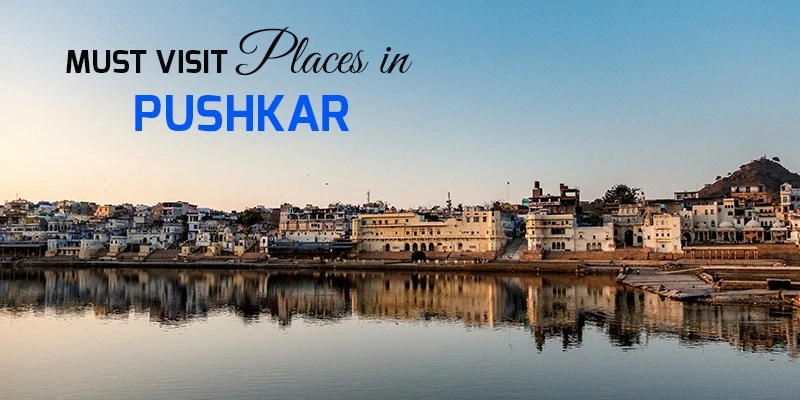

The spiritual heart of India beats within the rugged folds of the Aravalli Range, where the dual cities of Ajmer and Pushkar offer a profound blend of Sufi mysticism and Hindu devotion. Navigating these historic landscapes requires a delicate balance of timing and local insight to truly capture their essence in a short timeframe. Whether you are seeking the architectural grandeur of Islamic shrines or the serene ripples of a holy lake, planning your journey with a reputable travel agency in rajasthan ensures that you navigate the logistical nuances of these crowded yet captivating destinations with ease. This 48-hour itinerary is designed to immerse you in the culture, history, and spirituality of this unique Rajasthani duo.
Day 1: The Sufi Soul of Ajmer
Your journey begins in Ajmer, a city that has served as a gateway to the desert for centuries. The morning air here is often filled with the scent of rose petals and the distant sound of Qawwali.
The Spiritual Anchor: Ajmer Sharif Dargah The first stop must be the Dargah of Khwaja Moinuddin Chishti. As one of the most significant pilgrimage sites in South Asia, the Dargah attracts millions of devotees across all faiths. To experience it authentically, arrive early in the morning to avoid the midday rush. Walking through the narrow, vibrant lanes of the Dargah Bazaar, you’ll find vendors selling "Chadar" (ritual cloths) and flowers. Inside the complex, the silver-domed shrine and the massive "Deghs" (cooking cauldrons) offer a glimpse into the centuries-old traditions of Sufi hospitality and egalitarianism.
Architectural Marvels: Adhai Din Ka Jhonpra Just a short walk from the Dargah lies the Adhai Din Ka Jhonpra. Originally a Sanskrit college, it was converted into a mosque in the 12th century. The legend suggests it was completed in two and a half days, giving it its name. The intricate calligraphic inscriptions and the fusion of Indo-Islamic architecture provide a stark, beautiful contrast to the bustling markets outside. It is a quiet spot for photography and reflecting on the layered history of the region.
Sunset at Ana Sagar Lake Conclude your first day at Ana Sagar, an artificial lake built in the 12th century. The Daulat Bagh gardens, commissioned by Emperor Jehangir, feature marble pavilions (Baradari) that offer a perfect vantage point for the sunset. Watching the white marble glow against the deepening blue of the water provides a much-needed moment of tranquility after the sensory intensity of the old city.
Day 2: The Sacred Sands of Pushkar
After a short 15-kilometer drive over the winding Nag Pahar (Snake Mountain), you enter the tranquil town of Pushkar. Unlike the urban hum of Ajmer, Pushkar moves at a meditative pace, centered around its sacred lake and thousands of temples.
The Brahma Temple and Beyond Pushkar is home to one of the few temples in the world dedicated to Lord Brahma. The red-spired structure is the focal point of many spiritual journeys. However, the town’s spiritual landscape is vast. For those on a specialized Rajasthan Temples Tour, exploring the Varaha Temple and the Rangji Temple—which showcases a rare blend of Rajput and South Indian Dravidian architecture—is essential. The morning hours are best spent wandering the "ghats" (steps leading to the water), where pilgrims perform "Puja" and the sound of temple bells echoes across the water.
The 52 Holy Ghats A walk around the perimeter of Pushkar Lake is a lesson in living history. Each of the 52 ghats has its own significance. Gandhi Ghat, where the ashes of Mahatma Gandhi were immersed, and Varaha Ghat are particularly noteworthy. Remember to remove your shoes when approaching the ghats and respect the local customs, as this entire town is considered sacred ground.
Market Exploration and Cafe Culture By afternoon, the Pushkar market comes alive. It is a treasure trove for silver jewelry, embroidered textiles, and leather goods. Pushkar is also famous for its vibrant cafe culture, offering everything from traditional "Malpua" (sweet pancakes) to international vegetarian cuisine. It is a fantastic place to observe the global traveler community that has called Pushkar home for decades.
Experience Rajasthan in Comfort
While the rugged charm of the Aravallis is part of the appeal, the desert climate and busy pilgrimage sites can be taxing. For travelers who prefer to balance their spiritual exploration with high-end amenities, choosing Rajasthan luxury tour packages can transform the trip. These packages often include stays in heritage havelis or luxury tented camps, private guided tours that bypass the crowds, and seamless transfers between the two cities. This ensures that your 48 hours are spent focusing on the beauty of the heritage rather than the stress of navigation.
Essential Tips for Your Visit
- Dress Code: Both Ajmer and Pushkar are deeply religious. It is respectful to keep shoulders and knees covered. In the Dargah, both men and women should carry a scarf to cover their heads.
- Footwear: You will be removing your shoes frequently at shrines and lake areas. Wear comfortable slip-on shoes or sandals.
- Photography: While photography is allowed in most areas, always ask for permission before clicking pictures of people or during religious ceremonies.
- Food: Pushkar is a strictly vegetarian and alcohol-free town. Embrace the local flavors, particularly the Lassi and the street-side Kachoris.
Seeing Ajmer and Pushkar in 48 hours is more than a sightseeing trip; it is a journey through the soul of Rajasthan. From the intense devotion of the Dargah to the quiet ripples of the Brahma Lake, these two days will leave you with a profound appreciation for India’s cultural diversity.










Sign in to leave a comment.