
Rajasthan’s capital, known globally as the Pink City, continues to evolve while maintaining its regal soul. As we move through 2026, the city has seamlessly integrated modern traveler comforts with its 18th-century architectural marvels. Planning a trip here requires a balance of iconic landmarks and hidden cultural gems. To ensure your journey is seamless and culturally immersive, partnering with a professional tour operator in rajasthan can help you navigate the bustling bazaars and grand palaces with expert local insight. This guide provides a curated roadmap to experiencing the very best of Jaipur over three days.
Day 1: The Royal Grandeur of Amer and Nahargarh
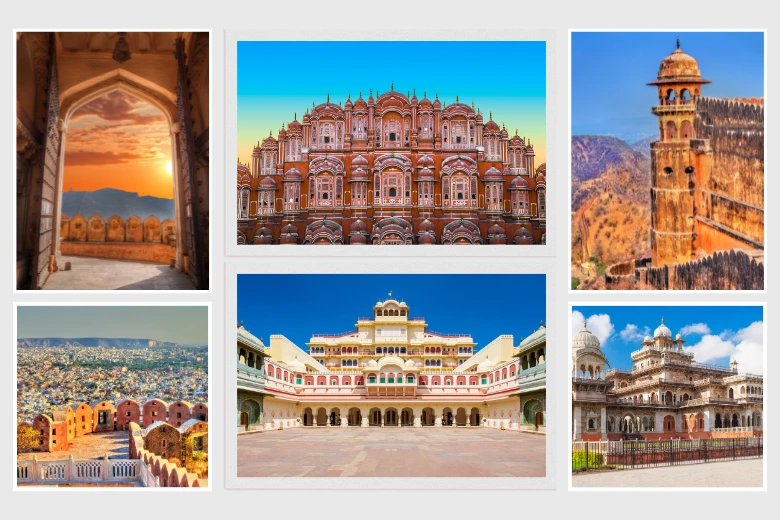
Your first day should be dedicated to the architectural heritage that defines the Rajputana era. Start your morning early at the Amer Fort, a UNESCO World Heritage site located about 11 kilometers from the city center. The fort is a stunning blend of Hindu and Mughal architecture, featuring the shimmering Sheesh Mahal (Mirror Palace) and the grand Ganesh Pol. Walking through these corridors feels like stepping back into the 16th century. For those seeking a deeper dive into the state's royal history, booking a comprehensive Rajasthan Heritage Tour allows you to see how Amer fits into the broader narrative of the region’s princely states. After exploring Amer, head to the nearby Panna Meena ka Kund, a beautifully restored stepwell that offers a unique geometric perspective for photography enthusiasts. As the afternoon sun begins to mellow, make your way toward Nahargarh Fort. Situated on the edge of the Aravalli Hills, it offers the most spectacular panoramic view of Jaipur. In 2026, the fort's sunset views remain the city's premier evening activity. End your day with a traditional Rajasthani thali at a local heritage restaurant to taste the authentic flavors of Ker Sangri and Laal Maas.
Day 2: Heart of the Pink City and Architectural Wonders
The second day is all about the city’s core. Begin at the Hawa Mahal, or the Palace of Winds. Its unique honeycomb facade with 953 small windows was designed to allow royal ladies to observe everyday life without being seen. Just a short walk away lies the City Palace, which still serves as the residence of the royal family. The museum inside holds an impressive collection of royal costumes, weaponry, and the world’s largest silver vessels. A Jaipur Full Day Tour is the most efficient way to cover these central landmarks, including the Jantar Mantar. This astronomical observatory, built by Maharaja Sawai Jai Singh II, features the world’s largest stone sundial and remains a testament to ancient Indian scientific prowess. Spend your evening exploring the vibrant markets of Johari Bazaar and Bapu Bazaar. These markets are famous for Kundan jewelry, Jaipuri quilts, and handcrafted mojari footwear. In 2026, these bazaars have become more pedestrian-friendly, making it easier to shop and interact with local artisans who have preserved these crafts for generations.
Day 3: Spiritual Serenity and Modern Jaipur
On your final day, experience the spiritual side of Jaipur. Visit the Govind Dev Ji Temple during the morning aarti to witness the deep devotion of the locals. The temple is located within the City Palace complex and is dedicated to Lord Krishna. Following this, head to the Albert Hall Museum, the oldest museum in the state. Its Indo-Saracenic architecture is a masterpiece in itself, housing a diverse range of artifacts including Egyptian mummies and Persian carpets. For a change of pace in the afternoon, visit the Jawahar Circle Garden, known for the colorful Patrika Gate which has become a symbol of Jaipur's artistic identity. It serves as an excellent spot to reflect on the city's rich history before your departure. If time permits, stop by the Galtaji Temple, often called the Monkey Temple, nestled between two cliffs. This prehistoric Hindu pilgrimage site is famous for its natural water springs and sacred kunds. As you conclude your three-day journey, you’ll realize that Jaipur is not just a city of stone and mortar, but a living, breathing celebration of Indian culture that continues to thrive in 2026.







Sign in to leave a comment.