
How to Sell Your Gold for Recycling and Get the Best Value
Gold is one of the most precious and recyclable materials available today. Whether you have old jewelry, broken gold pieces, coins, or bullion bars, recycling gold is not only a smart financial move but also an environmentally responsible one. If you're thinking about selling your gold for recycling, it’s important to understand the process and how to get the most value from your items.
Recycling gold offers several key benefits. First, it provides an easy way to turn unused or broken gold items into cash. Second, it supports sustainability. Gold is a non-renewable resource, and recycling reduces the need for new mining, which often comes with significant environmental consequences. Finally, the process is relatively simple, especially if you choose a reputable gold recycling service.
To begin, it’s essential to find a trusted gold buyer or recycling service. Look for companies that specialize in gold recycling and have a solid reputation. You can search online reviews, check for industry certifications, and compare services. Many buyers offer convenient mail-in programs, allowing you to ship your gold items securely and receive a quote without leaving your home.
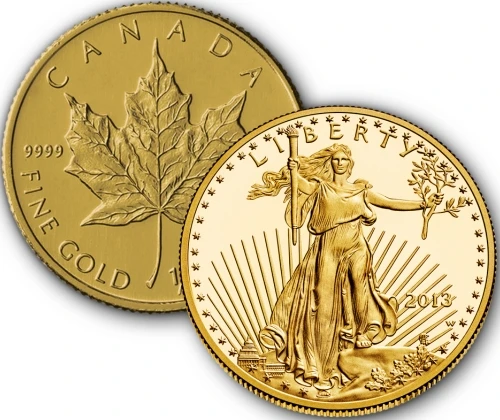
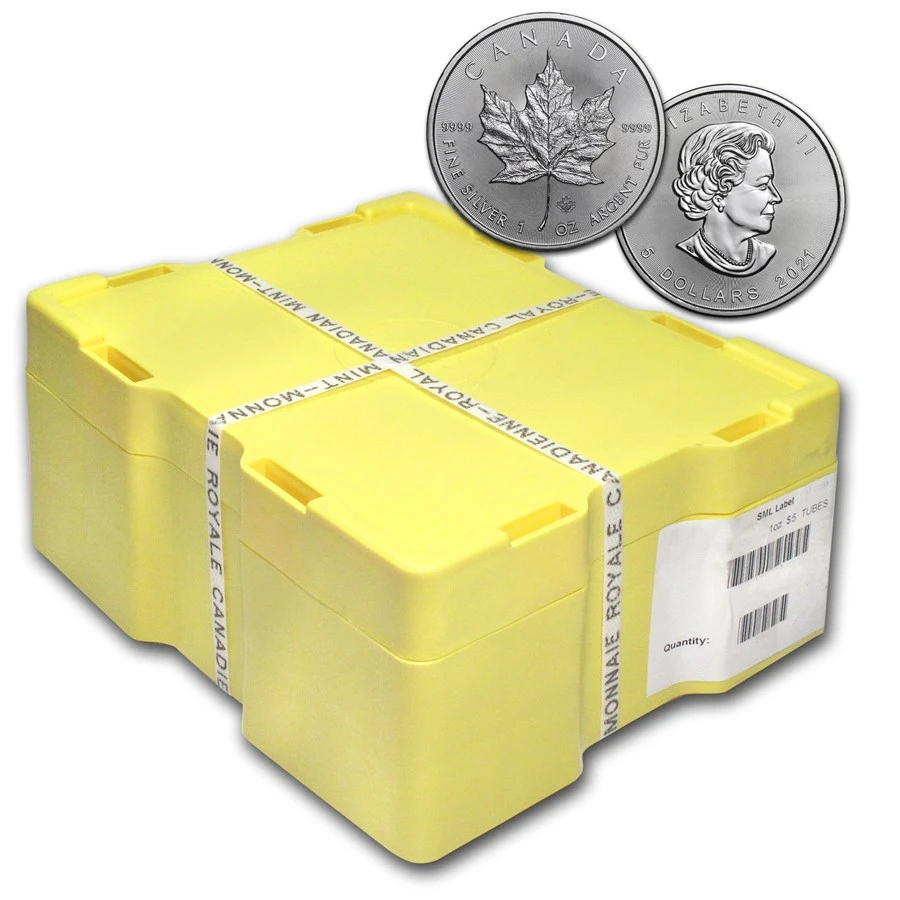
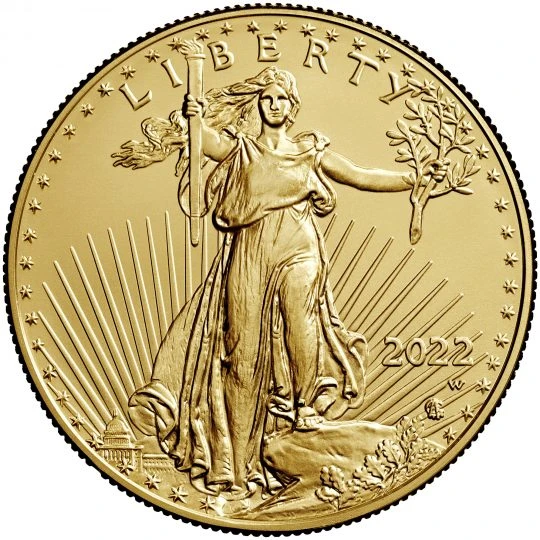
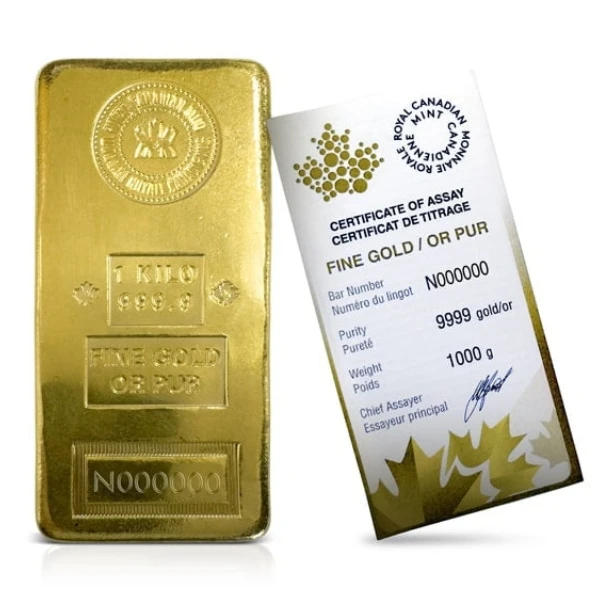
A wide range of gold items can be sold for recycling. This includes gold bars, which are typically made of pure gold; gold coins, which may vary in purity depending on their origin; gold jewelry, including broken or mismatched pieces; and scrap gold, such as dental gold or gold extracted from electronics. Not all items are made of pure gold—some may be alloyed with other metals or gold-plated—so the actual gold content will affect the value.
Once your items are received by the recycler, they go through a multi-step process. First, the gold is sorted to separate it from non-gold materials. This can be done through acid testing, X-ray fluorescence, or fire assay techniques. If your gold comes from complex sources, like electronics, those items must be dismantled to extract gold-bearing components. Next, the gold is subjected to a chemical treatment using solutions like Aqua Regia or cyanide to dissolve the metal. The dissolved gold is then precipitated out of the solution using reducing agents such as sodium metabisulfite or zinc. After precipitation, the gold is refined to remove any remaining impurities. This typically involves heating the gold to high temperatures to burn off contaminants. Finally, the refined gold is melted and cast into bars, coins, or other reusable forms.
To get the best return on your gold, it helps to prepare ahead. Weigh your gold items before sending them in so you have a rough idea of how much you’re selling. Check the current market price of gold to ensure you’re getting a fair deal. And make sure the buyer you choose offers transparent pricing and doesn’t include hidden processing fees or commissions.
Selling gold for recycling is a smart way to make extra money while supporting environmental conservation. By working with a reputable buyer and understanding the recycling process, you can feel confident that you're receiving fair value for your gold while also contributing to a more sustainable future.










Sign in to leave a comment.