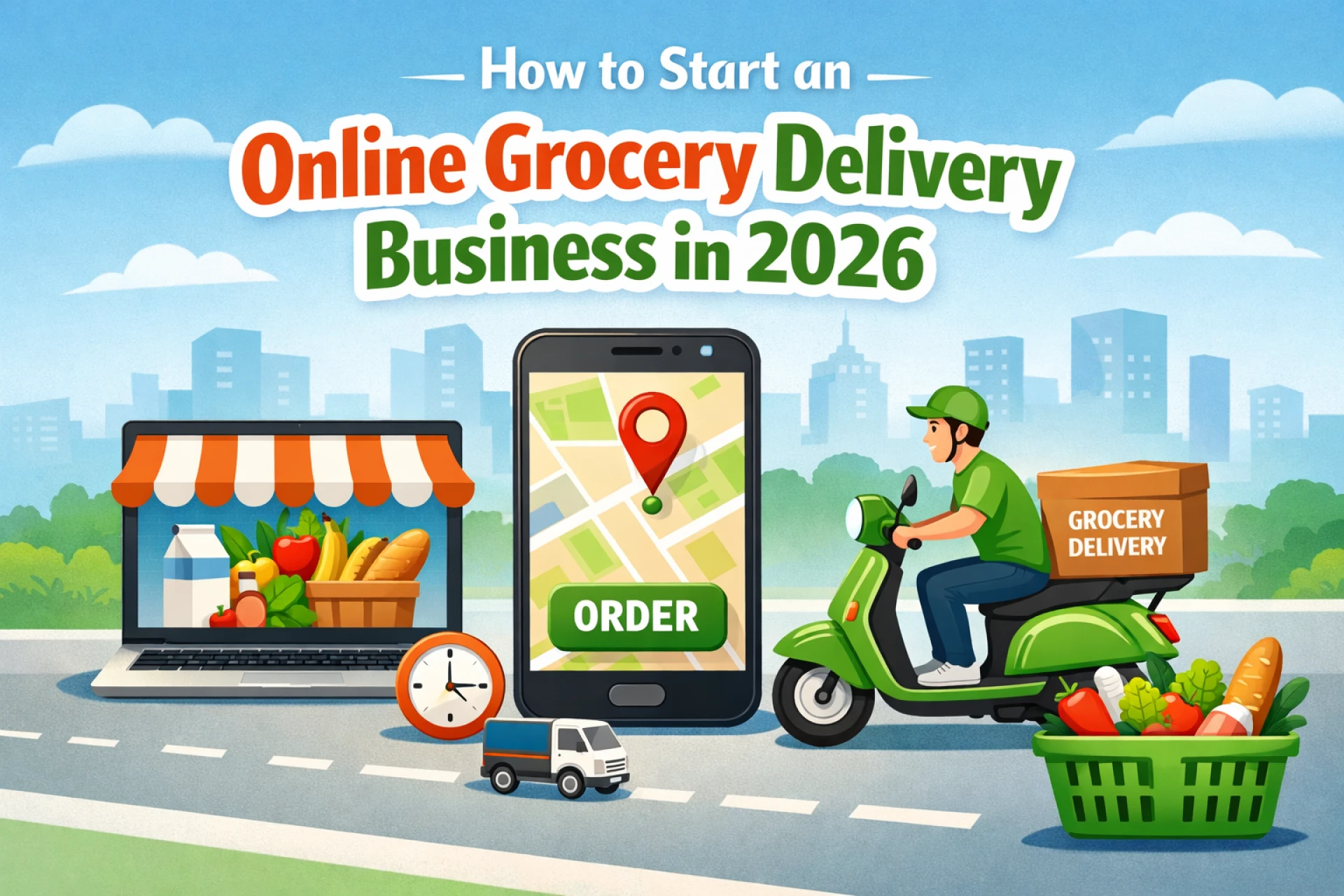

The grocery industry has undergone a massive transformation in the last few years. With the rise of smartphones, digital payments, and fast logistics networks, consumers now expect groceries to be delivered to their doorstep within minutes or hours. In 2026, the demand for online grocery delivery services is higher than ever, making it a profitable opportunity for entrepreneurs and retailers.
If you are planning to start an online grocery delivery business, now is the perfect time. This guide will walk you through the essential steps, technologies, and strategies needed to launch a successful grocery delivery business in 2026.
1. Understand the Online Grocery Market
Before starting your grocery delivery business, it is important to understand the market and customer behavior. Modern consumers prefer convenience, speed, and reliability when purchasing groceries online.
In 2026, online grocery shopping has become a daily habit for many households. People order everything from fresh vegetables and fruits to dairy products, snacks, and household essentials through mobile apps.
The market is driven by several factors:
- Increasing smartphone usage
- Faster delivery services
- Growth of quick commerce platforms
- Digital payment adoption
- Busy lifestyles and convenience
Studying your local market demand, customer preferences, and competitor strategies will help you position your business effectively.
2. Choose the Right Business Model
There are several grocery delivery business models you can choose from depending on your budget and goals.
Inventory-Based Model
In this model, you purchase groceries in bulk, store them in a warehouse, and manage the inventory yourself. This gives you full control over quality, pricing, and stock management.
Marketplace Model
This model connects customers with local grocery stores. You act as a platform where users can browse products from nearby shops and place orders.
Hybrid Model
The hybrid model combines both inventory and marketplace approaches. Some products are stored in your warehouse, while others are sourced from partner stores.
Quick Commerce Model
Quick commerce focuses on ultra-fast deliveries within 10–30 minutes. This model requires micro-warehouses and efficient logistics systems.
Selecting the right model will depend on your investment capacity, delivery infrastructure, and target audience.
3. Create a Strong Business Plan
A well-structured business plan is essential for launching and scaling your grocery delivery startup.
Your business plan should include:
- Target audience and location
- Market research and competitor analysis
- Revenue model
- Pricing strategy
- Marketing plan
- Logistics and delivery strategy
- Technology requirements
Having a clear roadmap helps attract investors and ensures smoother operations.
4. Build a Grocery Delivery App
A mobile application is the backbone of any online grocery delivery business. Most customers prefer ordering groceries through a mobile app because it is fast, convenient, and easy to use.
To launch your platform successfully, you need to build a grocery delivery app that offers a seamless user experience.
Important features of a grocery delivery app include:
User App Features
- Easy registration and login
- Product search and categories
- Real-time order tracking
- Secure payment options
- Order history
- Push notifications
Admin Panel Features
- Product management
- Order management
- Customer management
- Analytics and reporting
Delivery Partner App
- Route optimization
- Delivery updates
- Order notifications
Working with professional grocery app development services ensures that your application is secure, scalable, and equipped with advanced features required for modern grocery businesses.
5. Partner with Local Grocery Stores and Suppliers
To maintain consistent product availability, you must establish strong partnerships with local suppliers, farmers, and grocery stores.
Benefits of supplier partnerships include:
- Access to fresh products
- Competitive pricing
- Reliable inventory supply
- Faster fulfillment
You should also focus on building relationships with local organic farmers, dairy producers, and wholesalers. This helps differentiate your business and attract customers who prefer fresh and locally sourced products.
6. Set Up a Delivery and Logistics System
Delivery is one of the most critical aspects of an online grocery business. Customers expect timely and reliable deliveries, especially for perishable items.
Key logistics considerations include:
Delivery Fleet
You can either build your own fleet of delivery agents or partner with third-party logistics providers.
Route Optimization
Smart routing technology helps reduce delivery time and fuel costs.
Delivery Time Slots
Offer flexible delivery slots so customers can choose a convenient time.
Temperature-Controlled Packaging
Perishable items like dairy and frozen foods require special packaging to maintain quality during delivery.
Efficient logistics management directly impacts customer satisfaction and retention.
7. Implement Secure Payment Options
Online grocery platforms must offer multiple payment methods to ensure a smooth checkout experience.
Popular payment options include:
- Credit and debit cards
- Digital wallets
- UPI payments
- Net banking
- Cash on delivery
Secure payment gateways help build trust among customers and reduce transaction issues.
8. Focus on Customer Experience
Customer experience plays a major role in the success of any online business. If customers are satisfied with your service, they will order repeatedly and recommend your platform to others.
Ways to improve customer experience include:
- Fast delivery times
- Easy-to-use mobile app
- Accurate product descriptions
- Responsive customer support
- Loyalty programs and discounts
A well-designed platform created using reliable grocery app development services can significantly enhance the user experience and boost customer retention.
9. Develop a Strong Marketing Strategy
Marketing is essential for attracting customers and building brand awareness. Since the online grocery industry is competitive, you need a strong digital marketing strategy.
Effective marketing methods include:
Search Engine Optimization (SEO)
Optimizing your website and app for search engines helps attract organic traffic.
Social Media Marketing
Platforms like Instagram, Facebook, and YouTube help promote your services and engage customers.
Referral Programs
Reward customers for referring friends and family to your platform.
Influencer Marketing
Collaborating with local influencers can quickly increase brand visibility.
App Install Campaigns
Promote your app through ads to encourage downloads and user registrations.
Combining multiple marketing channels will help you build a strong customer base.
10. Use Data and Analytics
Data analytics plays a crucial role in optimizing your grocery delivery operations. Tracking customer behavior, purchase patterns, and product demand helps improve decision-making.
Analytics can help you:
- Identify popular products
- Optimize inventory management
- Improve delivery routes
- Personalize customer offers
- Forecast demand trends
Data-driven strategies help businesses grow faster and operate more efficiently.
11. Ensure Scalability for Future Growth
As your grocery delivery business grows, you will need to expand your operations to handle more orders and customers.
Scalability strategies include:
- Expanding to new cities
- Increasing delivery capacity
- Adding more product categories
- Partnering with more suppliers
- Upgrading your technology infrastructure
When you build a grocery delivery app, it is important to ensure that the platform can handle increased traffic and future growth without performance issues.
Conclusion
Starting an online grocery delivery business in 2026 is a promising opportunity for entrepreneurs. With growing consumer demand for convenience and fast deliveries, digital grocery platforms are becoming a vital part of modern retail.
To succeed in this industry, businesses must focus on market research, strong partnerships, efficient logistics, and a seamless digital platform. Investing in reliable grocery app development services can help you create a powerful mobile app that meets customer expectations and supports business growth.
By carefully planning your strategy and leveraging the right technology, you can successfully build a grocery delivery app and establish a profitable online grocery delivery business in the rapidly evolving digital marketplace.










Sign in to leave a comment.