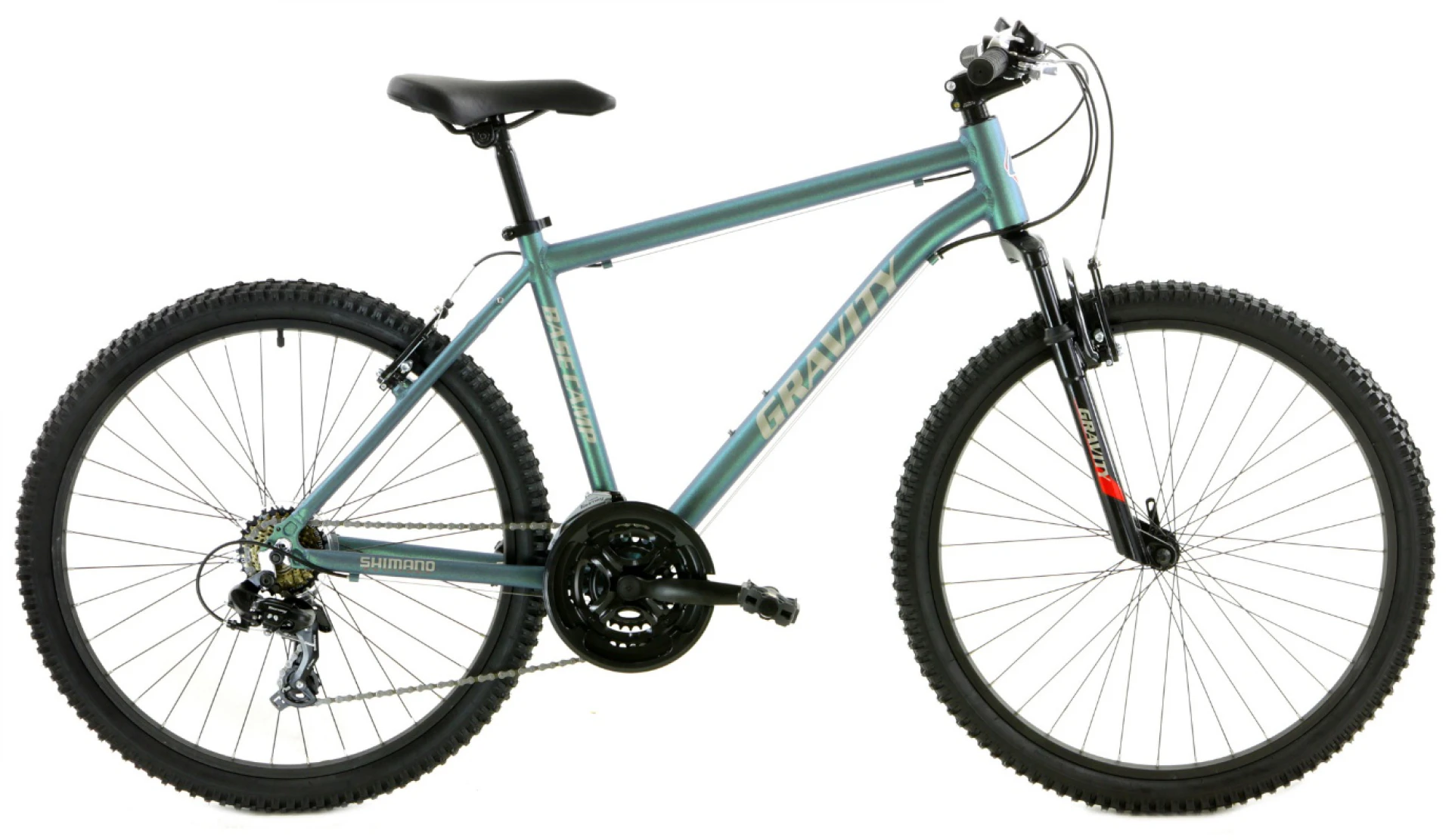

So you’ve put in your time, racked up miles, slung off those newbie wobble vibes—and now you’re itching for more speed, better handling, and next-level thrills. Transitioning from a beginner bike to a performance ride (whether a sleek road setup or a trail-shredding mountain machine) is a big leap. It’s more than a flashy paint job or pricier parts. It’s a shift in how you ride, how you choose, and how you think about your machine.
Here’s a laid-back, real talk guide to help you know when to upgrade, what features matter, and how to make that jump in style.
When Is It Time to Upgrade?
1. You’ve outgrown the limits of your current bike
You know that moment when you hit a gear wall, pushing hard uphill but feeling like you’re past what your drivetrain can manage? Or when your frame and components start creaking, wobbling, or needing constant maintenance? That’s a red flag. If you’re replacing parts every ride, you might be better off investing in something built for the next level.
2. You’ve dialed in your fundamentals
Don’t upgrade just because you want something shinier. Make sure your base is solid: good pedaling form, strength, stamina, and confidence handling corners, descents, and climbs. Once those are steady, a performance ride actually becomes usable, not just eye candy.
3. Your ambitions diverge from your current ride
Maybe you want to race, hit longer audax distances, or attack technical off-road lines. A solid beginner bike often suffices for casual cruising or fitness rides, but it may struggle when you push limits. If you're craving responsiveness, refined agility, and precision, that’s your cue.
4. You feel incremental upgrades can’t cut it
If swapping wheels, brakes, or cockpit parts feels like pushing a bandage over a bigger issue, then it’s time for a new platform. You don’t want to keep tilting at component upgrades when the frame, geometry, or core spec is holding you back.
What to Look for in a Performance Ride
Light, stiff, smart frame
The frame is the foundation. In a performance bike, you’ll want a material and design that balances weight, stiffness, and comfort. Carbon is king for many road riders (thanks to its strength-to-weight and vibration-damping capability), but well-engineered aluminum and high-end alloys still perform impressively—if the design is clever. The stiffness-to-weight ratio ensures that your pedaling effort translates directly into forward motion, not flex.
Smart geometry
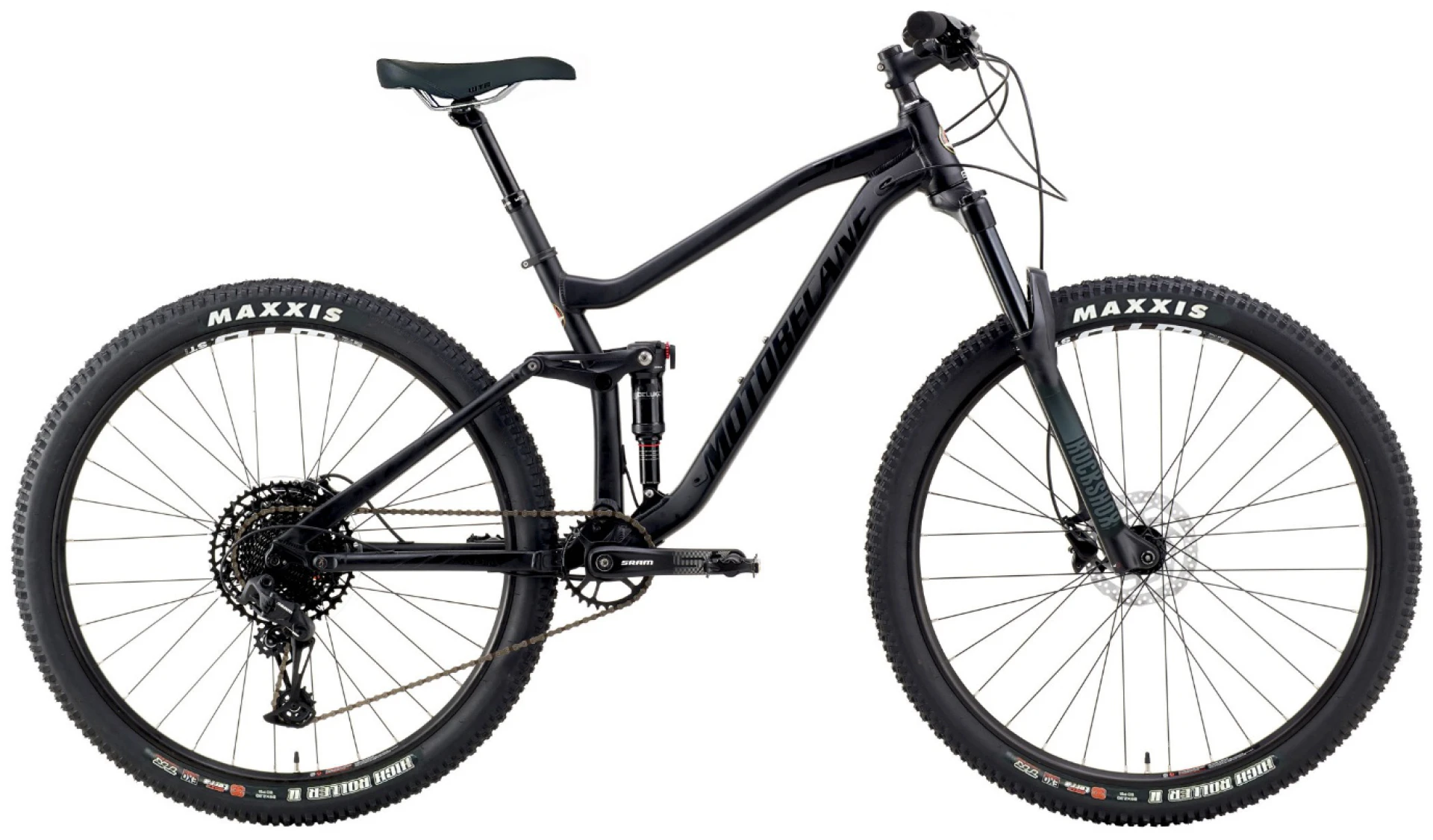
Performance bikes have more aggressive geometry: steeper angles, shorter wheelbase, lower stack, and drop bars or flat bars that let you shift weight quickly. This means better cornering, better responsiveness, and more control when you’re pushing hard. But remember: fit matters. A great spec won’t help if the bike doesn’t feel right under you.
High-end drivetrain and shifting
This is where things get tasty. Performance rides often come with drivetrain groups (Shimano, SRAM, Campagnolo) that offer smoother, crisper shifting, more gear ratios, and better durability. Expect better chain retention, refined derailleurs, lighter cassettes, and possibly electronic or semi-electronic shifting systems. These make transitions crisp and efficient. (Forbes)
Brakes that stop you when you mean to
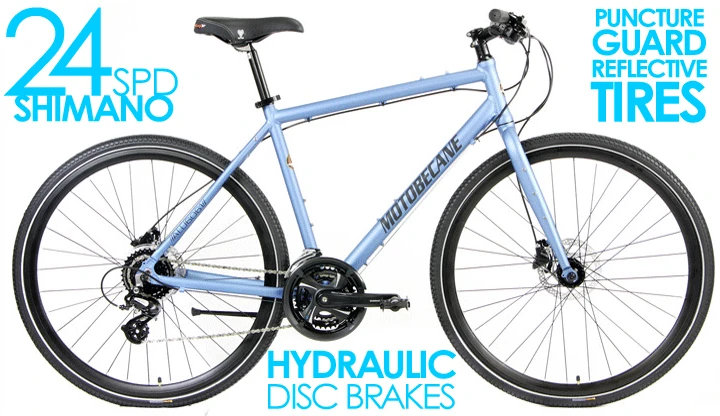
On a performance bike, braking isn’t an afterthought—it’s a critical system. Disc brakes (mechanical or hydraulic) are increasingly standard, even on road and gravel bikes, because they offer consistent performance in all conditions. Stopping power, modulation, and reliability under strain should all be part of your checklist.
Tires and wheels matter
A fast ride isn’t just about the engine (legs)—the tires and wheels make or break your experience. Lighter wheelsets reduce rotational weight, making accelerations feel snappier. Deeper rims improve aerodynamics. Tires optimized for low rolling resistance (but still with grip) help you maintain speed without feeling mushy. The same applies whether you’re on a Road Bike, Gravel Bike, or Mountain Bike.
Contact points and small touches
Don’t sleep on saddle, handlebars, and pedals. These “boring” bits can make the difference between a ride you endure and one you love. Brands like Shimano point out that upgrading these bits can dramatically change your comfort and handling. (Business Insider)
Steps to Transition Smoothly (Without Regretting It)
1. Test ride, test ride, test ride
Try bikes in local shops, rent performance machines, or borrow from friends. Feel the difference. Pay attention to how the bike accelerates, responds to weight shift, and how comfortable you feel over extended rides.
2. Get a pro bike fit
The most expensive bike in the world is worthless if the fit is off. A fitting ensures you get the most out of geometry, helps avoid injury, and lets you fully exploit the upgrade.
3. Think in system upgrades (not piecemeal)
Many riders start upgrading component-by-component—new wheels, better brakes, nicer cranks. That’s cool, but it often leads to mismatches (drivetrain compatibility, weak frame foundations). It’s smarter to upgrade major systems in sync or move to a bike that already bundles top-tier systems for smooth integration.
4. Keep one foot in reality
A performance bike demands better maintenance (tight tolerances, carbon care, more frequent tune-ups). Know your local mechanical resources or be ready to learn more.
5. Gradually push it
You don’t need to go full throttle on week one. Let your ride grow with you. Use smaller group rides, tempo days, and technical training rides to explore what your new machine can actually do—then gradually stretch the boundaries.
How BikesDirect.com Fits into the Transition
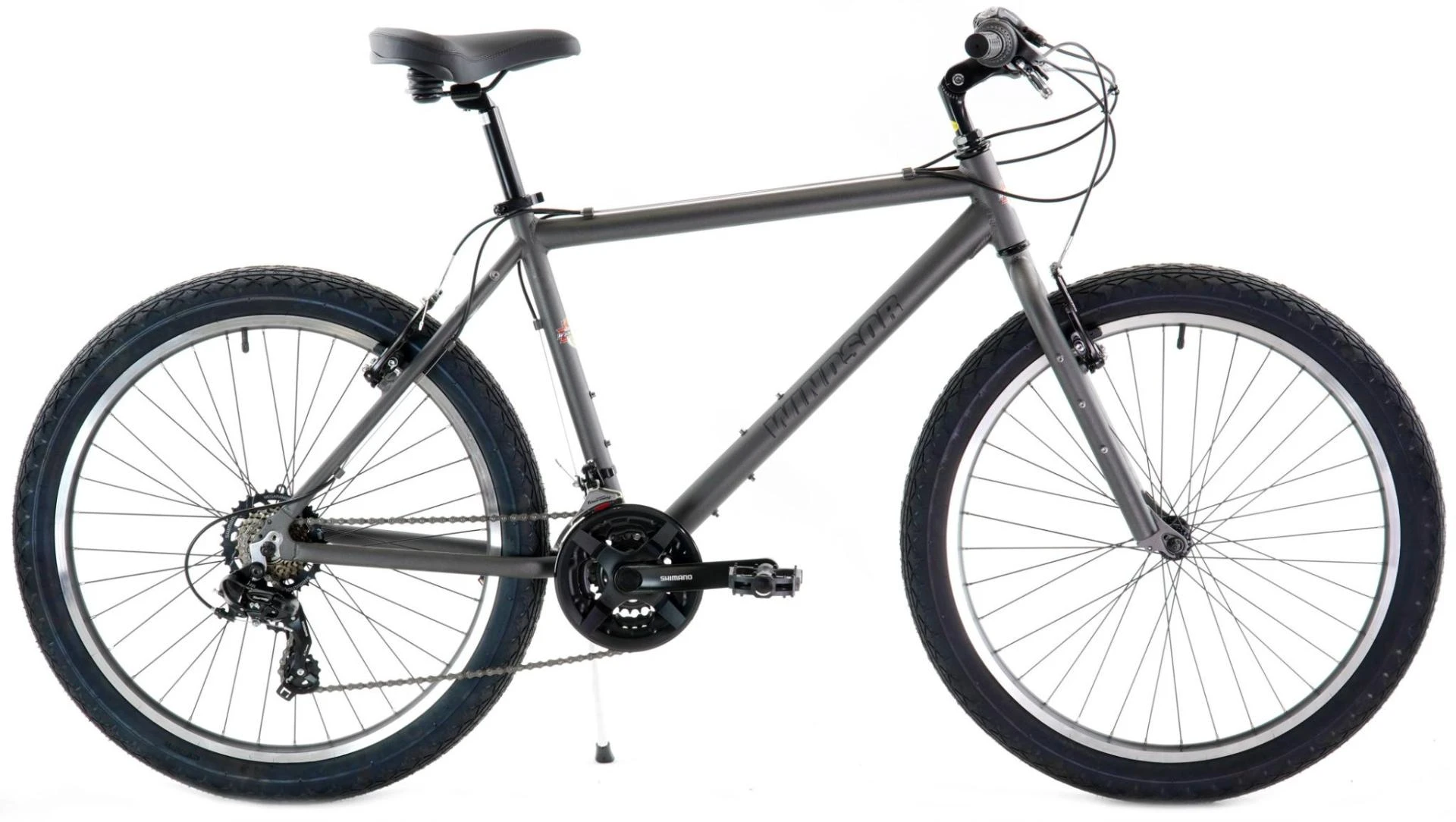
BikesDirect.com offers a broad selection of performance-level bicycles, from Road Bike and Mountain Bike to Gravel Bike and Hybrid Bike models, often at more aggressive prices thanks to their direct-to-consumer model. Their “factory direct” approach gives riders access to high-spec frames and components that would cost much more in a traditional shop.
But this model isn’t without its trade-offs: you might not get the full “shop build and tune” experience, so as you step up, be ready to spend a bit on the final prep—alignment, bearing checks, and fine-tuning. The good news? When you're ready to take that leap, BikesDirect.com is equipped to meet you at many levels of performance.
Call to Ride (Your Way)
Ready to lean into your next ride? BikesDirect.com has been delivering high quality bikes online for more than 20 years—longer than many local shops around. Explore their full collection of Hybrid Bike, Gravel Bike, Road Bike, Fat Bike, Beach Cruiser, and Mountain Bike options—all built for performance and value.
Learn about their warranty, explore their legacy, or call them now to connect directly.











Sign in to leave a comment.