
Transporting cargo safely is a critical aspect of logistics that requires attention to detail and the right equipment. Among various tools available for securing loads, ratchets straps stand out as a reliable choice for many professionals in the industry. These straps are not only versatile but also provide a secure hold, preventing cargo from shifting during transit. Understanding how to use ratchet straps effectively can mean the difference between a safe delivery and a costly accident. This article delves into the fundamental principles of using ratchet straps for safe cargo transport, ensuring your load arrives intact and undamaged.
Understanding Ratchet Straps
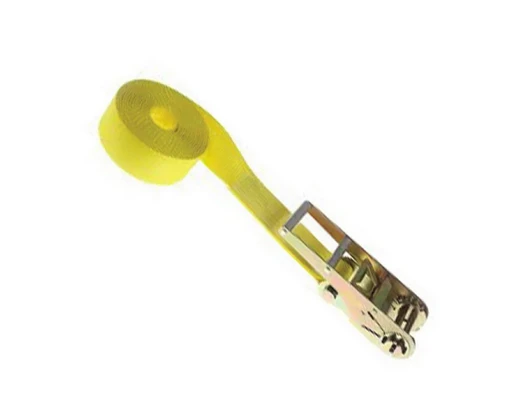
Before diving into the practical aspects of using ratchet straps, it's essential to understand what they are and how they function. Ratchet straps are made from durable materials such as polyester, which is designed to withstand significant tension and strain. They typically come with a ratchet mechanism that allows the user to tighten the strap securely around the cargo. This mechanism is crucial because it enables the user to apply considerable tension, ensuring that the load remains stable throughout the journey.
The design of ratchet straps includes a hook at each end, which can be attached to anchor points on a vehicle or trailer. The versatility of these straps makes them suitable for various types of cargo, ranging from furniture and appliances to construction materials and heavy machinery. However, it is vital to select the appropriate ratchet strap for the specific weight and type of cargo, as different straps have varying load capacities.
Preparing the Cargo for Transport
Once you have selected the right ratchet straps for your cargo, the next step involves preparing the cargo itself for transport. This preparation is crucial for ensuring a safe journey. Start by arranging the cargo in a way that maximizes stability. For example, heavier items should be placed at the bottom of the stack, while lighter items can be positioned on top. This arrangement lowers the center of gravity, reducing the risk of tipping or shifting during transport.
Next, ensure that the surfaces of the cargo are clean and free from debris. Dirt or moisture can affect the grip of the ratchet straps, increasing the likelihood of slippage. If necessary, use protective materials like blankets or padding to cushion fragile items. This additional layer not only protects the cargo but also assists in achieving a tighter fit with the ratchet straps.
Securing the Load with Ratchet Straps
With the cargo properly arranged and prepared, it’s time to secure it using ratchet straps. Begin by laying the strap over the cargo, ensuring that the hooks are positioned to connect securely to the anchor points on the transport vehicle. It is imperative to choose anchor points that can withstand the tension applied by the ratchet straps. Common anchor points include D-rings, stake pockets, or other designated securing points on trailers and trucks.
Once the hooks are connected, start the ratcheting process. Pull the loose end of the strap to remove any slack before engaging the ratchet mechanism. As you ratchet, listen for the sound of the strap tightening. It’s essential to apply enough tension to secure the load, but be cautious not to over-tighten, as this could damage the cargo. A good rule of thumb is to check the tension by attempting to move the cargo slightly; it should not shift when tugged.
It’s also advisable to use more than one ratchet strap for larger or heavier loads. Distributing the weight across multiple straps enhances stability and safety during transport. Each strap should be positioned strategically to cover different sections of the cargo.
Inspecting the Setup
After securing the load with ratchet straps, it’s crucial to conduct a thorough inspection before hitting the road. This step cannot be overlooked, as it ensures that everything is in place and secure. Check each strap for proper tension and ensure that the hooks are firmly attached to the anchor points. It’s also a good practice to make sure that there are no sharp edges or protrusions that could potentially cut into the strap during transit.
While inspecting, take the time to observe the cargo itself. Ensure that it is not protruding beyond the edges of the transport vehicle, as this could create hazards for other road users. If any items are sticking out, consider using additional straps or tarps to cover them adequately.
During Transport: Safety Precautions
Once the cargo is loaded and secured, the journey can begin. However, safety precautions should remain a priority throughout transport. Regularly check the ratchet straps during stops to ensure they maintain tension. Environmental factors such as weather conditions can affect the integrity of the straps, so it’s wise to stay vigilant.
Additionally, be mindful of driving habits. Sudden starts, stops, and turns can all impact the stability of the load. Smooth driving not only helps maintain the integrity of the cargo but also enhances overall safety on the road.
Unloading the Cargo
Upon reaching the destination, the process doesn't end with simply unloading the cargo. First, take care to carefully release the tension on the ratchet straps. This should be done slowly to avoid any sudden jerks that might cause the cargo to shift unexpectedly. Once the tension is released, unhook the straps, and store them properly to prevent wear and tear.
Before moving the cargo off the transport vehicle, it is advisable to inspect it for any potential damage that may have occurred during transit. This inspection ensures that the cargo arrives in the same condition it was in before departure. If any damage is noticed, it’s crucial to document it for accountability and future reference.
Conclusion
Using ratchet straps for safe cargo transport is a skill that can significantly enhance the efficiency and safety of transporting goods. By understanding how to select, prepare, and utilize these straps effectively, one can mitigate the risks associated with cargo transport. The importance of regular inspections and maintaining proper tension cannot be overstated, as these practices ensure that the load remains secure throughout the journey.
For those seeking high-quality ratchet straps and other lifting equipment, UK Lifting Store offers an extensive selection to meet your needs. Take action now and ensure your cargo transport is safe and efficient—visit UK Lifting Store today!











Sign in to leave a comment.