
Introduction
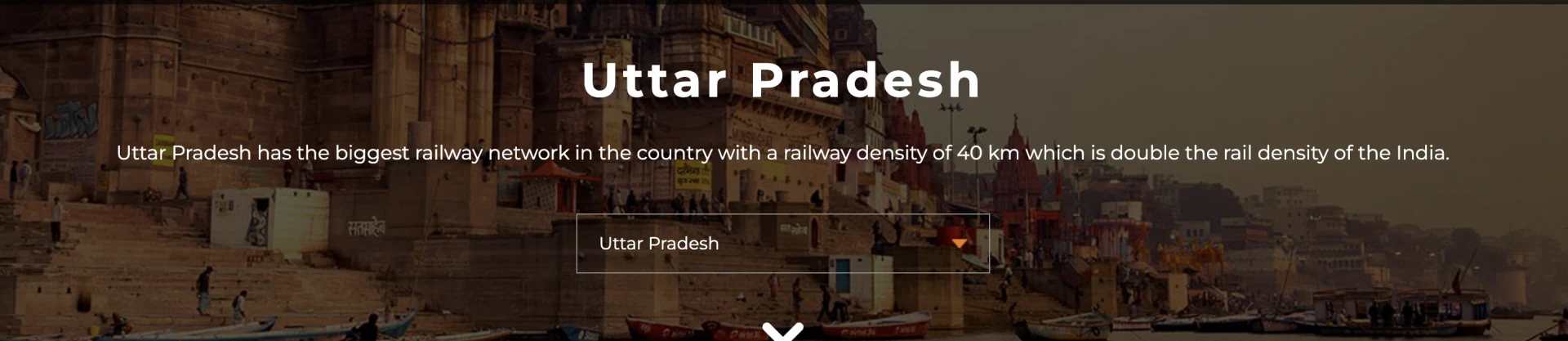
Uttar Pradesh (UP) stands as a monumental state in India's cultural and spiritual landscape, offering a wealth of historical, religious, and architectural treasures. From the ghats of Varanasi to the majestic Taj Mahal in Agra, Uttar Pradesh is a hub for tourists seeking both historical experiences and spiritual enrichment. The state has recognized the enormous potential of its cultural heritage and is actively working to monetize this through tourism, boosting its economy and creating employment opportunities.
Understanding Uttar Pradesh’s Cultural Wealth
Spiritual and Religious Sites
UP is home to some of the most revered spiritual destinations in India. Cities like Varanasi, Ayodhya, Mathura, and Prayagraj are considered sacred by millions of Hindus, drawing a large number of domestic and international pilgrims. These religious sites provide a steady stream of visitors year-round, contributing significantly to local economies.
Architectural Marvels
The state is rich in architectural heritage, with iconic landmarks such as the Taj Mahal, Fatehpur Sikri, and numerous Mughal-era monuments. These monuments not only attract history enthusiasts but also serve as powerful symbols of India’s cultural identity, drawing tourists from across the globe.
Fairs and Festivals
Uttar Pradesh is also known for its vibrant fairs and festivals, such as the Kumbh Mela, which attracts millions of pilgrims and tourists. The state's rich cultural festivals, including the Taj Mahotsav in Agra, Ram Leela in Ayodhya, and Varanasi’s Dev Deepawali, contribute to both tourism and community engagement.
Tourism as a Revenue Generator
Tourism is one of Uttar Pradesh’s most crucial economic sectors. With millions of visitors annually, it plays an essential role in the state's GDP. Uttar Pradesh's tourism sector, in turn, supports several industries, including hospitality, transportation, retail, and food services.
Boosting Local Economies
The revenue generated through tourism directly supports small-scale industries such as handicrafts, local cuisine, and cultural performances. The state's emphasis on promoting local businesses provides an opportunity for artisans and vendors to showcase their products to a wider audience.
Key Initiatives to Monetize Cultural Capital
1. Infrastructure Development
The government has been focusing on enhancing infrastructure around tourist destinations. This includes improving connectivity between major cities, upgrading airports, and creating new tourism circuits like the Ramayana and Buddhist circuits. Projects designed to enhance visitor experiences, such as heritage walks and upgraded facilities, have been launched to make tourism more accessible.
2. Public-Private Partnerships
Uttar Pradesh has also been working in partnership with private enterprises to develop tourism services, ranging from hotels to guided tours and transportation. This collaboration has led to improved facilities for both domestic and international tourists.
3. Digital Integration
The state government has also turned to digital platforms, offering online ticketing systems, virtual tours, and dedicated mobile apps. These initiatives help streamline tourist experiences and increase the state’s global reach through social media and digital marketing campaigns.
Employment Through Tourism
The tourism sector in Uttar Pradesh has created significant employment opportunities. Local guides, hoteliers, artisans, transportation services, and performers directly benefit from the influx of tourists. Additionally, the government’s skill development programs have helped local youth find stable employment within the tourism industry.
Promoting Rural and Eco-Tourism
To further decentralize tourism, the state has begun focusing on rural and eco-tourism. By promoting lesser-known destinations with unique cultural practices, the government is providing alternative sources of income for rural communities and ensuring that the benefits of tourism are spread across the state.
Challenges and the Way Forward
Despite the state’s growth in the tourism sector, there are challenges to overcome. Issues like overcrowding at popular sites, waste management, and the preservation of ancient monuments require continuous attention. Sustainable tourism practices will be key to maintaining the balance between growth and conservation in Uttar Pradesh’s tourism sector.
Conclusion
Uttar Pradesh is leveraging its cultural capital to create a sustainable tourism ecosystem. The state’s commitment to developing infrastructure, creating jobs, and promoting its rich heritage is paying off. With continued efforts, Uttar Pradesh is poised to become a global tourism hub, offering a unique blend of history, spirituality, and culture.
For more information on Uttar Pradesh’s tourism initiatives and industry insights, visit India Brand Equity Foundation.












Sign in to leave a comment.