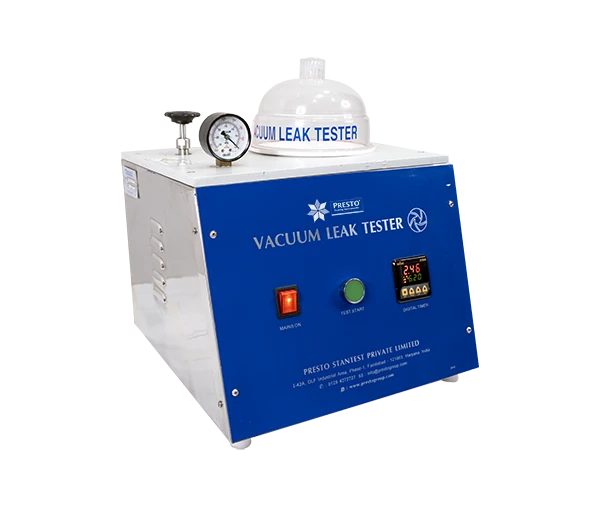

In a world where product integrity and quality are paramount, the vacuum leak tester emerges as a critical tool in the realm of testing and quality control. This sophisticated device is designed to detect and quantify leaks in various products, from packaging materials to complex machinery. Let\'s dive into what a vacuum leak tester is, its applications, benefits, and why it\'s indispensable in modern quality assurance.
What is a Vacuum Leak Tester?
A vacuum leak tester is a specialized instrument used to identify and measure leaks in sealed products or components. The device operates by creating a vacuum environment around the test sample and monitoring any changes in pressure. If there\'s a leak, the pressure within the chamber will change, signaling the presence of a defect. This process is crucial for ensuring that products meet their intended specifications and perform reliably in their respective applications.
How Does It Work?
The operation of a vacuum leak tester involves several key steps:
Preparation: The item or component to be tested is sealed within the tester\'s chamber. This chamber is then subjected to a vacuum to remove air and reduce pressure.
Application of Vacuum: The device creates a vacuum environment within the chamber. This can be achieved through various methods, including mechanical pumps or other vacuum generation techniques.
Leak Detection: As the vacuum is applied, the tester continuously monitors the pressure within the chamber. If a leak is present, the pressure will not remain constant, and the tester will detect this change.
Analysis: The tester provides readings or indicators that help identify the location and size of the leak. This information is crucial for assessing the integrity of the product and making necessary adjustments or repairs.
Applications of Vacuum Leak Testers
Vacuum leak testers find application across a wide range of industries, each requiring rigorous testing to ensure product quality and reliability:
Packaging Industry: In the packaging industry, vacuum leak testers are essential for ensuring that sealed packages maintain their integrity. This is particularly important for products that are sensitive to air or moisture, such as food and pharmaceuticals.
Automotive Industry: Automotive manufacturers use vacuum leak testers to inspect components such as fuel tanks, air filters, and gaskets. Ensuring that these parts are free of leaks is crucial for vehicle performance and safety.
Aerospace Industry: The aerospace sector relies heavily on vacuum leak testers to maintain the integrity of aircraft components. Leaks in critical systems can have severe consequences, making accurate testing a necessity.
Electronics Industry: Electronic devices often require vacuum-sealed components to protect against environmental factors. Vacuum leak testers help ensure that these seals are intact and functioning as intended.
Benefits of Using a Vacuum Leak Tester
Accuracy: Vacuum leak testers provide precise measurements of leaks, allowing for accurate assessment of product quality. This helps manufacturers detect even the smallest leaks that might otherwise go unnoticed.
Efficiency: By identifying leaks quickly, vacuum leak testers streamline the quality control process. This leads to faster production cycles and reduced downtime, enhancing overall efficiency.
Cost Savings: Early detection of leaks can prevent costly product failures and recalls. Investing in a vacuum leak tester helps mitigate these risks and ultimately saves money in the long run.
Versatility: These testers are adaptable to various types of products and industries, making them a valuable tool for a broad spectrum of applications.
Choosing the Right Vacuum Leak Tester
When selecting a vacuum leak tester, several factors should be considered to ensure that the device meets your specific needs:
Test Range: Ensure that the tester can handle the range of pressures you need for your particular applications.
Sensitivity: Choose a model with the sensitivity required to detect the smallest leaks relevant to your products.
Ease of Use: Opt for a tester that is user-friendly and fits seamlessly into your existing quality control processes.
Maintenance: Consider the maintenance requirements of the tester to ensure that it remains in optimal working condition.
Conclusion
The vacuum leak tester is an indispensable tool for ensuring product quality and integrity across various industries. By accurately detecting and quantifying leaks, these devices help maintain high standards and prevent costly issues. Investing in a reliable vacuum leak tester is a crucial step towards achieving excellence in quality control and ensuring that your products meet the highest standards of performance and reliability.










Sign in to leave a comment.