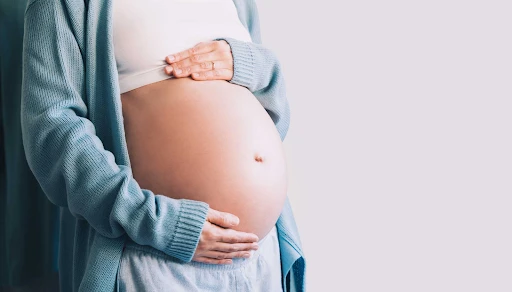

Have you ever wondered if laser hair removal is safe during pregnancy or while breastfeeding? With over 1 million laser hair removal procedures performed annually in the United States, it’s no surprise that many expecting or new mothers are curious about whether this popular cosmetic treatment can fit into their lives.
Pregnancy brings many changes to the body, including hormonal fluctuations that affect hair growth. But when it comes to cosmetic procedures like laser skin treatment, is now really the right time? Let’s find out.
How Laser Hair Removal Works
Laser hair removal uses concentrated light beams that target hair follicles beneath the skin. The pigment in the hair absorbs the light, which destroys the follicle and reduces hair growth over time. Treatments are usually done in multiple sessions because hair grows in cycles, and the laser is only effective during active growth phases. While it’s considered a safe and effective cosmetic procedure for many people, special circumstances like pregnancy and breastfeeding raise important questions about safety and timing.
Hair on Body During Pregnancy and Breastfeeding
Pregnancy often brings surprising changes in hair growth patterns. Many women notice thicker, fuller hair on their scalp due to hormonal shifts that prolong the hair growth phase. However, this same effect can lead to unwanted hair on the face, chest, abdomen, and back. It can be frustrating, but it is a completely normal part of pregnancy.
After childbirth, particularly while breastfeeding, these hormonal levels start to shift again. Estrogen drops, and many women experience postpartum hair shedding, also known as telogen effluvium. At the same time, some may continue to notice increased body hair growth, which can feel bothersome while adjusting to the demands of new motherhood.
Although these changes are temporary and often resolve on their own within months, they can still cause distress. That’s why many women consider hair removal solutions during this time, but the question remains whether laser treatment is safe.
Read more: Is Laser Hair Removal Painful? Debunking Common Myths
The Main Reason to Wait: No Safety Studies
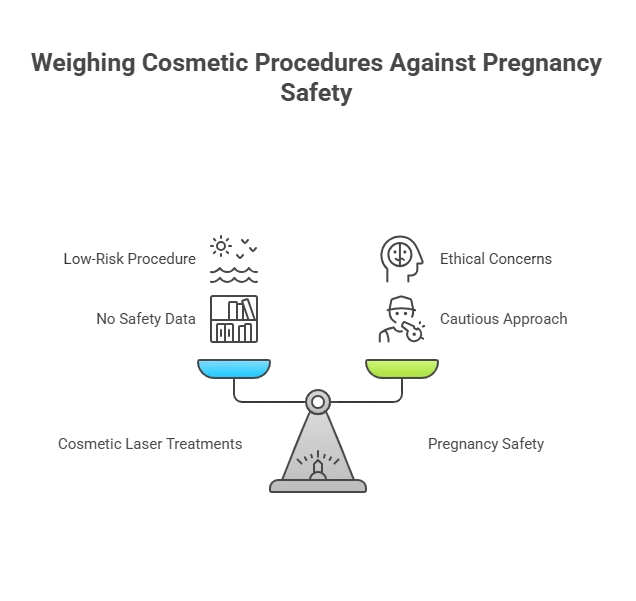
In 2017, the International Journal of Women’s Dermatology published a review examining the safety of cosmetic procedures in pregnant women. The authors noted that although lasers have been used successfully for medical purposes, such as breaking down kidney stones or treating genital warts, no scientific studies exist to confirm the safety of cosmetic laser treatments like laser hair removal during pregnancy.
The reason is simple: ethical concerns. Researchers are unwilling to risk exposing expectant mothers and their babies to procedures without knowing the possible effects. As a result, there is no clear data to prove whether cosmetic laser hair removal is safe during pregnancy.
Although the procedure itself is generally considered low-risk, most dermatologists and physicians recommend waiting until after pregnancy. Without evidence-based studies, healthcare providers prefer to take a cautious approach. Dr. Joshua Newman, a dermatologist in Florida, puts it best: “If one could hold off on this elective procedure until after the pregnancy, I would recommend doing so.”
Is Laser Hair Removal the Right Option For Pregnant Women? Expert Opinions
According to Dr. Joshua Newman, a board-certified dermatologist, laser skin resurfacing should not be performed during pregnancy. While the technology itself is safe for general use, no long-term studies confirm its safety for unborn babies. Because of this uncertainty, it’s best to postpone treatment until after delivery.
Skin Sensitivity and Hormonal Changes
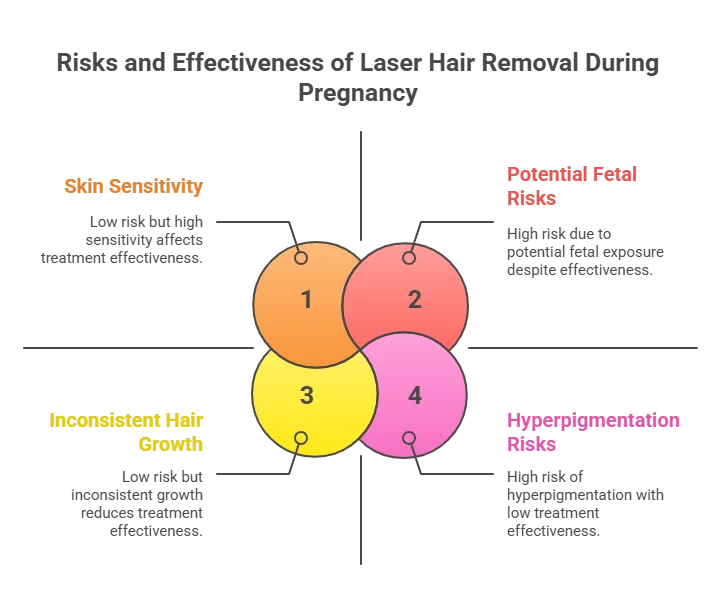
During pregnancy, hormone fluctuations can make your skin extra sensitive. Undergoing laser treatment at this time may cause discomfort, redness, swelling, or even mild burns. Additionally, hormonal changes often affect hair growth patterns, leading to inconsistent or less effective results from laser hair removal.
Potential Risks to the Fetus
Although the laser light does not penetrate deep enough to reach the fetus, the heat produced during treatment—especially in areas like the abdomen or lower back—poses a theoretical risk. Moreover, stress and discomfort during the procedure could negatively impact maternal well-being.
Not an Effective Treatment During Pregnancy
Because pregnancy hormones stimulate faster and denser hair growth, undergoing laser treatment during this period may be less effective. The results might not last, leading to wasted time, money, and effort.
Hyperpigmentation Risks
Pregnancy increases melanin production, raising the likelihood of hyperpigmentation or uneven skin tone. Using lasers on skin already prone to pigmentation changes increases the risk of unwanted side effects.
Avoid Elective Procedures
Most healthcare professionals recommend avoiding all elective cosmetic procedures during pregnancy, including laser hair removal. The guiding principle is to minimize any possible risks, no matter how small, to both mother and baby.
Expert Advice: Is It Safe to Undergo Laser Hair Removal During Pregnancy?
Dr. Joshua Newman advises that while it may be frustrating to deal with excess hair, the safest approach is to wait. Instead, temporary methods such as shaving or trimming can help manage hair growth until after pregnancy. Waxing and chemical depilatories should be used with caution, as they may irritate already sensitive skin.
What Are the Risks of Laser Hair Removal While Breastfeeding?
For breastfeeding mothers, laser hair removal is generally considered low-risk. However, a few potential concerns exist:
- Skin Irritation: Hormonal shifts may increase sensitivity, raising the risk of burns or redness.
- Impact on Breast Milk: Although no solid evidence shows that laser treatment affects milk, the possibility of hormonal influence cannot be fully dismissed.
- Infection: Small breaks in the skin from the laser could increase susceptibility to infections.
- Stress: Cosmetic procedures may add unnecessary stress during the already demanding postpartum stage.
When performed by a qualified professional, these risks are minimal, but they should still be carefully considered.
Laser Hair Removal Alternatives
If you want to manage unwanted hair during pregnancy or while breastfeeding, safer alternatives include shaving, threading, and trimming. These methods are temporary but effective for keeping hair growth under control without exposing you or your baby to unnecessary risks.
How Long After Giving Birth Can I Get Laser Hair Removal?
Most experts recommend waiting at least six months after childbirth before considering laser hair removal. This allows time for your body and hormones to stabilize, ensuring the treatment will be more effective and reducing risks related to sensitivity. The best timing can vary, so it’s essential to seek advice from a qualified dermatologist.
Why a Consultation Is Important Before You Start Laser Hair Removal
A professional consultation ensures that your medical history, skin type, and personal needs are thoroughly evaluated. A dermatologist can assess whether your skin has fully recovered from pregnancy-related changes and provide guidance on when it’s safe to begin treatment.
Why Is a Patch Test Important for the Safety of Your Skin?
A patch test involves treating a small area of skin before undergoing a full session. This step helps identify any adverse reactions such as irritation, burns, or pigmentation issues. Given that skin sensitivity may still be heightened after pregnancy, a patch test is crucial for minimizing risks.
Key Takeaway
Laser hair removal is best postponed during pregnancy due to the lack of safety studies and potential risks. While it may be safer during breastfeeding, it’s still important to proceed cautiously and consult with an experienced dermatologist at a reliable laser skincare center. If you’re considering treatment, waiting until your body has recovered and seeking professional guidance ensures both safety and effectiveness.







Sign in to leave a comment.