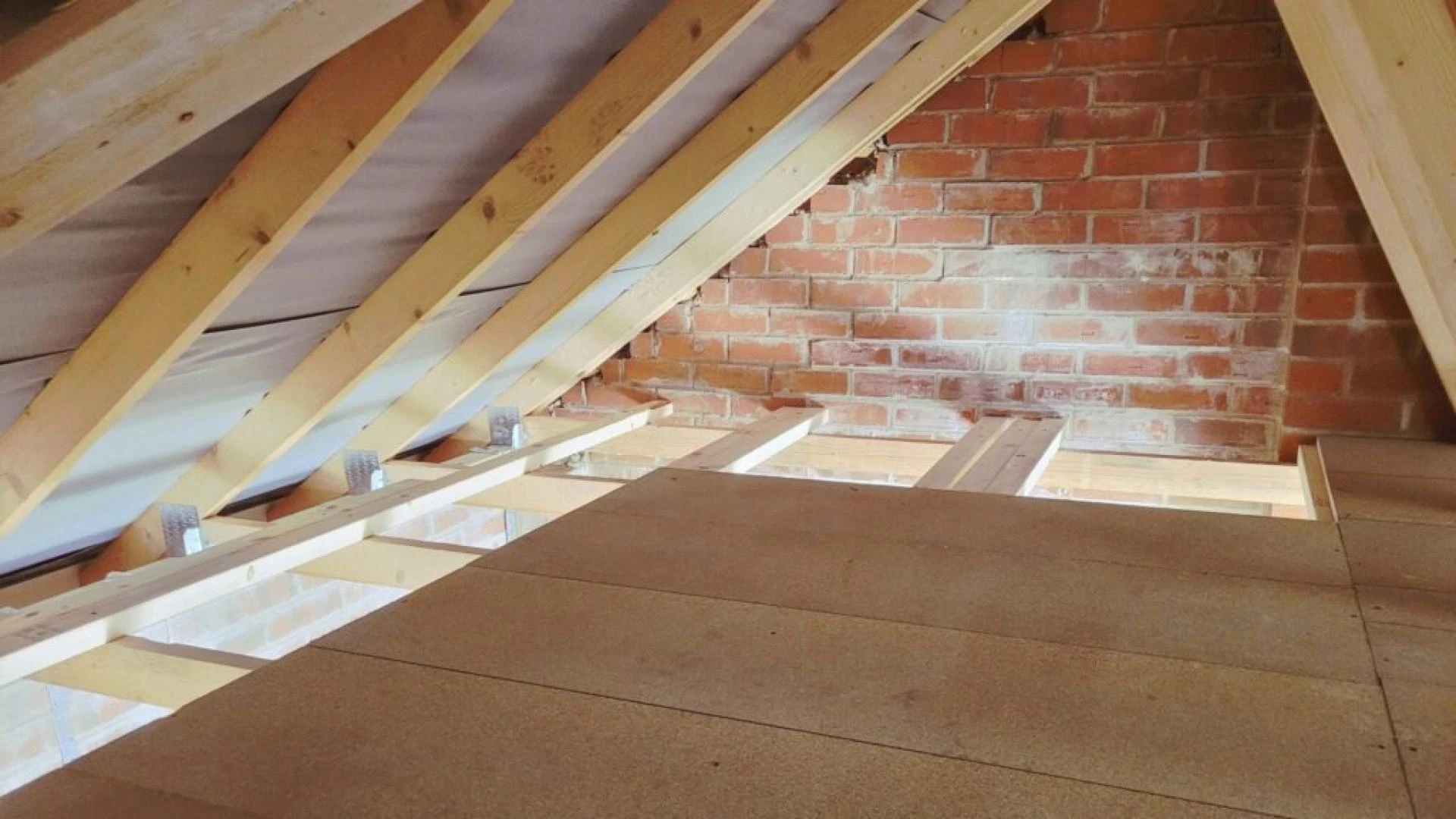

Loft boarding has gained significant popularity as homeowners seek to maximize storage space and improve property functionality. For those living in or considering a new build, the question often arises: is loft boarding worth the investment? This article delves into the pros and cons of loft boarding in new builds, helping you decide whether it's the right choice for your home.
Understanding Loft Boarding
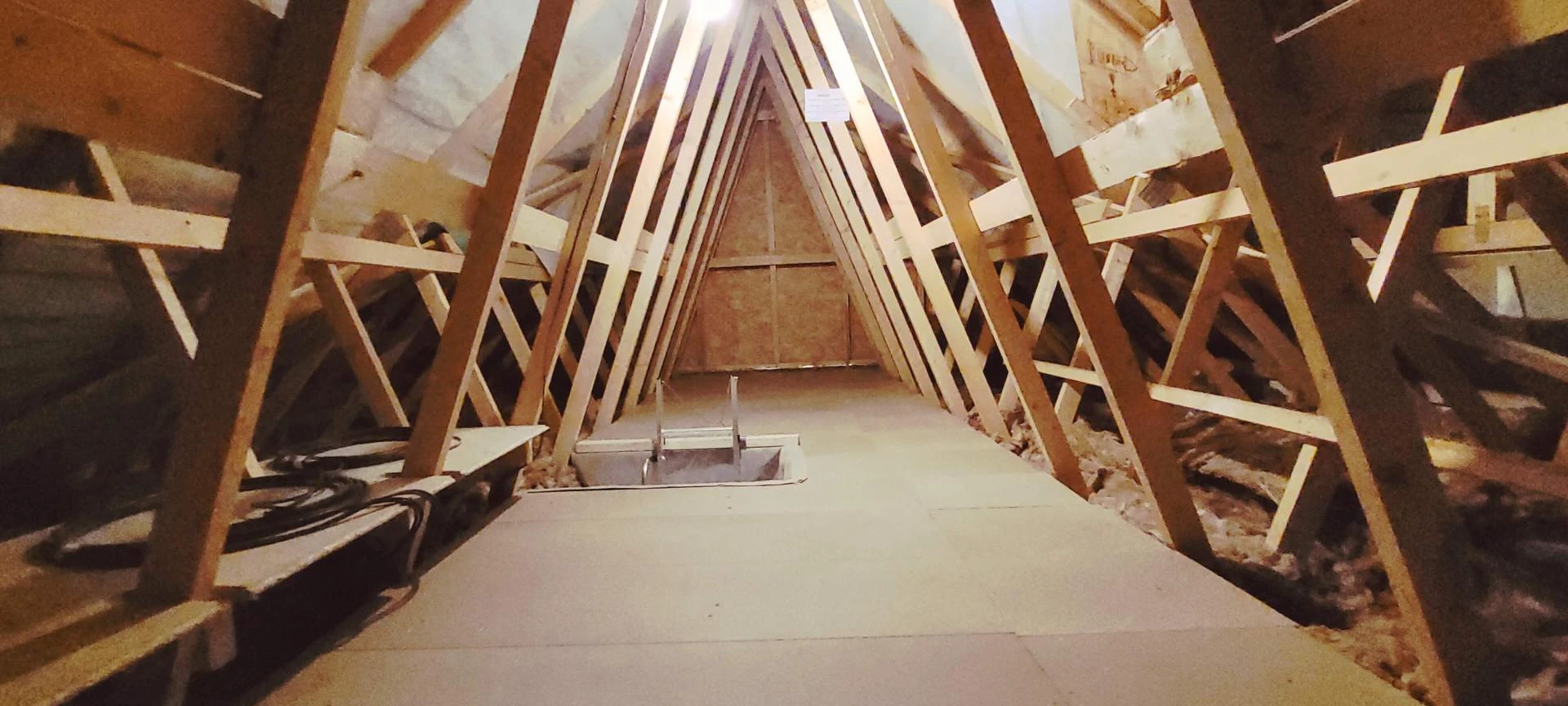
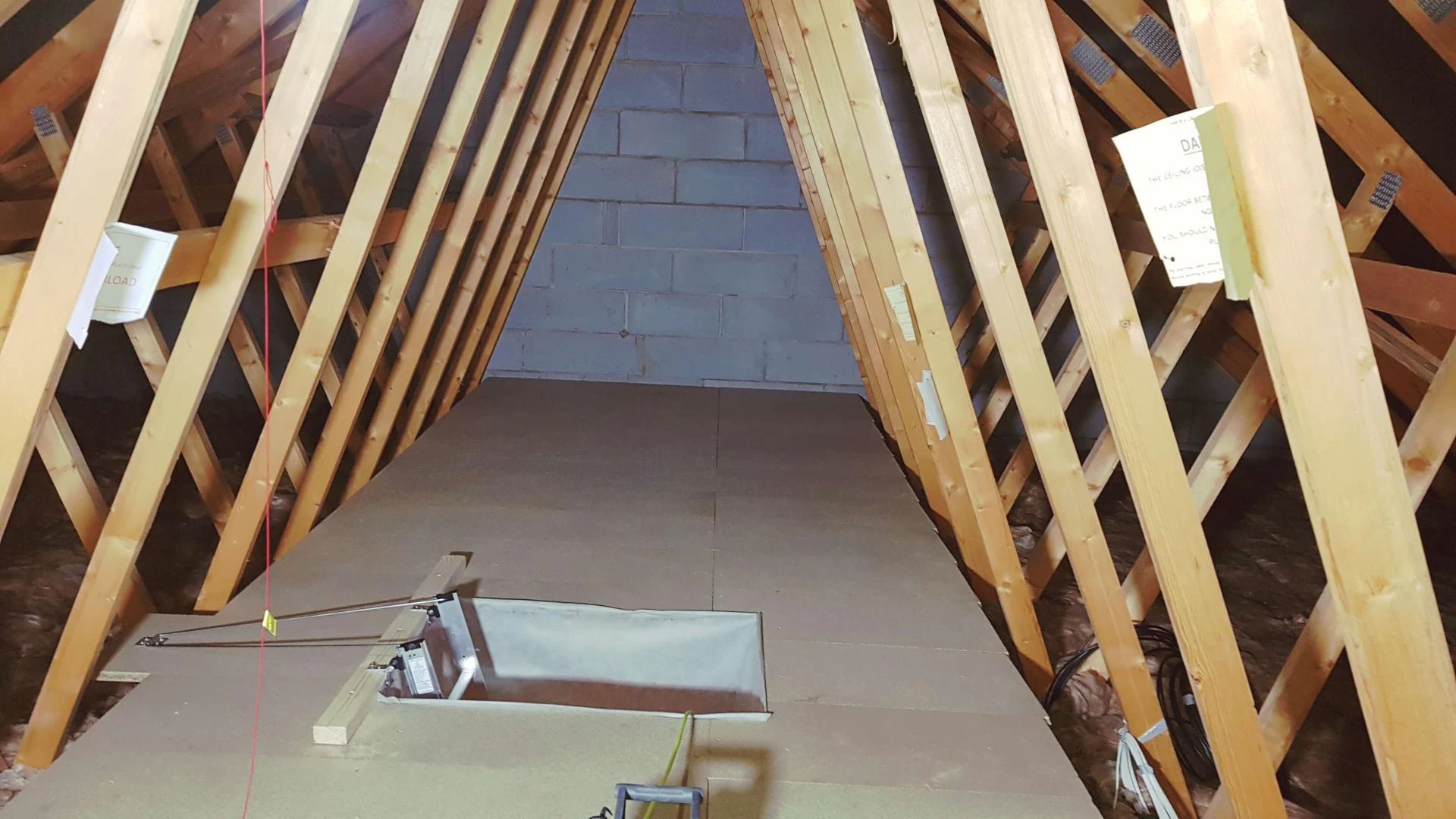
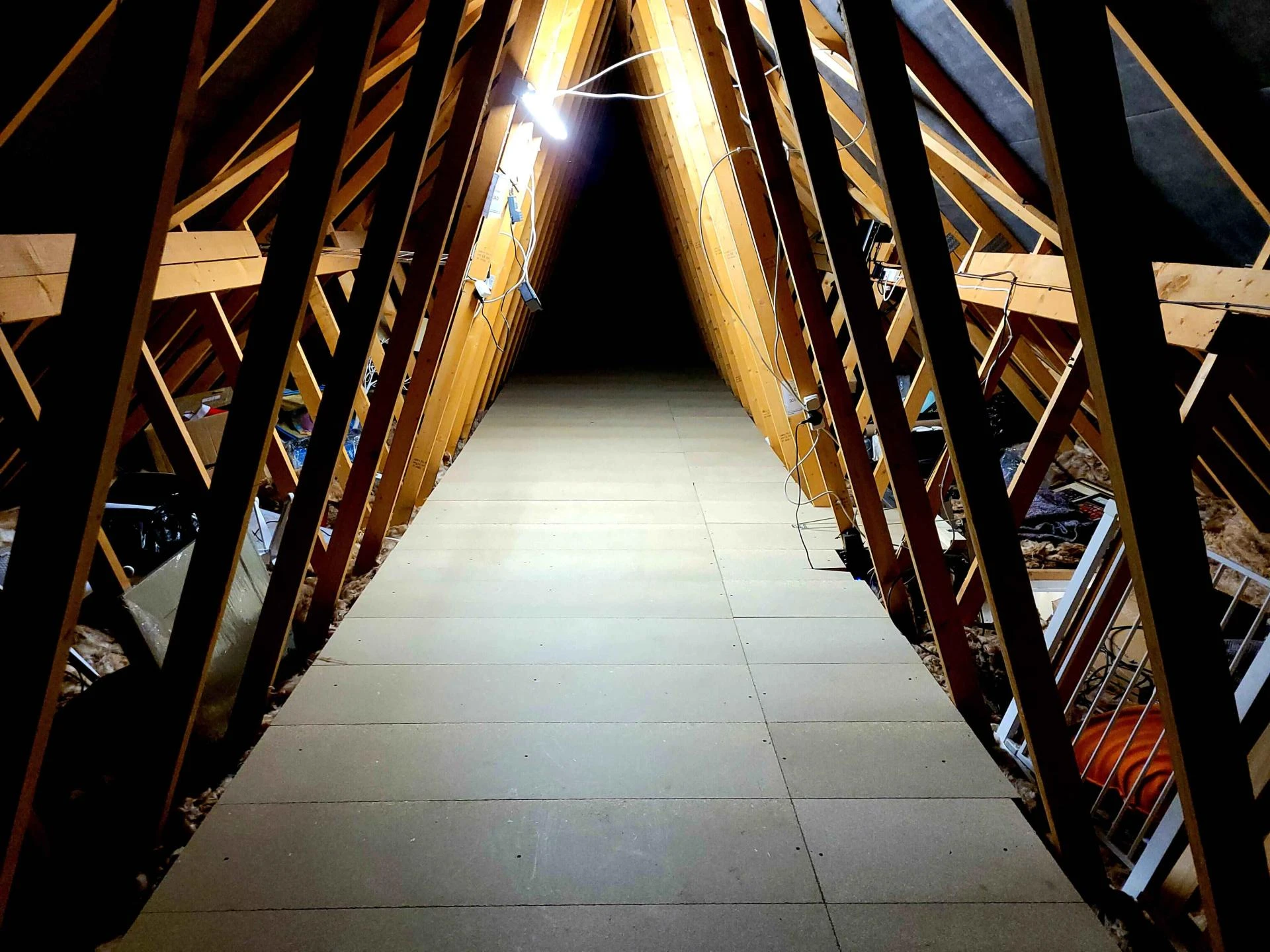
Loft boarding involves installing a raised floor above the joists in your attic or loft space. This creates a stable platform for storage while maintaining proper insulation and ventilation. It’s a solution that maximizes unused space without requiring a major home renovation.
For new builds, the decision to board the loft often comes with specific considerations. Modern construction methods and regulations can impact the feasibility and benefits of loft boarding.
Benefits of Loft Boarding in New Builds
1. Maximized Storage Space
One of the most apparent advantages of loft boarding is the additional storage space it provides. New builds often come with limited storage options, making the loft an ideal area for seasonal items, suitcases, or holiday decorations. With proper boarding, you can declutter your living areas without overloading wardrobes and cabinets.
Why It Matters in New Builds
New build homes are designed to maximize efficiency and functionality but often prioritize living spaces over storage. Loft boarding offers a practical solution without compromising the home's design.
2. Enhanced Property Value
Boarding your loft can make your home more appealing to potential buyers. Additional storage is a key selling point, especially in modern homes where space is at a premium. A well-boarded loft can set your property apart in a competitive market.
Long-Term Investment
While the initial cost of loft boarding might seem high, it’s a long-term investment that could yield returns when you decide to sell your home.
3. Improved Energy Efficiency
A professionally boarded loft can help improve energy efficiency by providing better insulation. This ensures that heat remains within the living areas of your home, reducing energy bills during colder months.
Insulation Considerations
New builds are already designed to meet modern insulation standards. However, adding loft boarding can provide an extra layer of thermal efficiency if installed correctly.
4. Easier Access to Utilities
Many lofts house essential utilities such as water tanks, electrical wiring, or HVAC systems. Boarding your loft makes it safer and easier to access these utilities for maintenance or repairs.
Convenience Factor
In emergencies, such as a burst water pipe, having a boarded loft can save valuable time and effort by providing a stable platform for quick access.
Potential Drawbacks of Loft Boarding in New Builds
1. Weight and Structural Limitations
New builds are designed with specific load-bearing capacities. Adding loft boarding and storing heavy items could strain the structure if not properly assessed.
Professional Assessment Needed
Before proceeding, consult a structural engineer or loft specialist to determine whether your loft can handle the additional weight.
2. Impact on Warranty
Most new builds come with a structural warranty, often lasting up to 10 years. Altering the loft space, such as by installing boarding, could potentially void this warranty if it’s not done in compliance with the builder’s guidelines.
Key Takeaway
Ensure that your loft boarding project aligns with warranty terms. Always check with your builder or warranty provider before making modifications.
3. Reduced Insulation Efficiency
Improper installation of loft boarding can compress insulation, reducing its effectiveness. This could lead to higher energy bills and negate one of the benefits of living in a modern, energy-efficient home.
Solution
Choose a raised loft boarding system to maintain insulation depth and airflow. Professional installers often use products specifically designed for new builds.
4. Cost Considerations
The cost of loft boarding can vary significantly depending on the size of the loft, materials used, and whether professional installation is required. For new builds, the cost might include additional measures to protect structural integrity.
Budget Planning
Carefully evaluate your budget and prioritize professional installation to avoid costly mistakes.
Key Considerations Before Loft Boarding in a New Build
1. Understanding Your Loft’s Purpose
Decide what you intend to use the loft for. If it’s purely for storage, basic boarding may suffice. However, if you plan to use it as a functional space, additional work, such as installing lighting and ventilation, may be necessary.
2. Ensuring Compliance with Building Regulations
Loft boarding must comply with building regulations, particularly regarding insulation, fire safety, and structural integrity. Hiring a professional ensures that your installation meets all necessary standards.
3. Choosing the Right Materials
Select materials that are durable and lightweight. Raised boarding systems designed specifically for new builds are ideal as they protect insulation while offering a robust storage platform.
4. Hiring Professionals vs. DIY
While DIY can save costs, professional installers bring expertise and ensure that your loft boarding is safe, durable, and compliant with regulations. For new builds, professional installation is often the safer choice.
Is Loft Boarding Worth It in New Builds?
The value of loft boarding depends on your specific needs and the characteristics of your home. Here’s a summary:
When It’s Worth It
- You need additional storage space.
- Your loft’s structure can handle the modifications.
- You plan to stay in your home long-term and see the value in enhanced functionality.
When It’s Not Worth It
- Your budget is tight, and professional installation is unaffordable.
- Your builder’s warranty restricts modifications.
- The additional storage isn’t essential.
Conclusion
Loft boarding in new builds can be a worthwhile investment, offering extra storage, improved energy efficiency, and increased property value. However, it’s essential to consider structural limitations, warranty implications, and installation quality. By weighing the pros and cons and consulting professionals, you can make an informed decision tailored to your home and lifestyle.
If you’re considering new build loft boarding, take the time to plan thoroughly and prioritize safety and compliance. A well-executed loft boarding project can transform your new build into a more functional and enjoyable living space.
Frequently Asked Questions
1. Can I board the loft in my new build without voiding the warranty?
Yes, but it’s crucial to follow your builder’s guidelines and consult with your warranty provider. Ensure that the installation is carried out professionally to avoid any warranty issues.
2. How much does loft boarding cost in a new build?
Costs vary based on loft size, materials, and installation requirements. On average, professional loft boarding ranges from £500 to £2,000 or more.
3. Will loft boarding affect my home’s energy efficiency?
If installed correctly with a raised system, loft boarding can enhance energy efficiency by maintaining proper insulation. Improper installation, however, can reduce insulation effectiveness.
4. Can I install loft boarding myself in a new build?
While DIY is possible, professional installation is recommended for new builds to ensure safety, compliance with regulations, and optimal results.
5. What can I store in a boarded loft?
You can store lightweight items such as seasonal decorations, luggage, and clothing. Avoid overloading the loft with heavy items to protect the structure.









Sign in to leave a comment.