
Homeowners often face a daunting question when planning improvements: where should they invest to achieve the greatest impact? From upgrading kitchens to enhancing landscaping, the choices are numerous. However, one improvement consistently ranks as both cost-effective and transformative—loft insulation. With its ability to reduce energy costs, improve comfort, and even benefit the environment, loft insulation is increasingly seen as a top-tier investment. In this article, we’ll explore the benefits of loft insulation, its long-term advantages, and why it might just be the smartest upgrade you can make.
Why Consider Loft Insulation?
When considering home improvements, it’s important to weigh both the short-term benefits and the long-term returns. Loft insulation is often underestimated because of its simplicity, yet it has the potential to enhance your home’s energy efficiency dramatically. Beyond energy savings, it improves the overall livability of your home by creating a stable indoor climate year-round. Unlike cosmetic upgrades like repainting or remodeling, loft insulation delivers practical benefits you’ll notice every day.
The Science Behind Loft Insulation
How Does Loft Insulation Work?
Loft insulation works by minimizing heat transfer between your home and the external environment. It slows the movement of heat, keeping warmth inside during the colder months and preventing your home from overheating in summer. Commonly used materials—such as fiberglass, mineral wool, or spray foam—trap air within their structure. This trapped air creates a barrier, preventing heat from escaping through your roof.
Homes without proper insulation can lose up to 25% of their heat through the roof, resulting in higher energy consumption and skyrocketing utility bills. By installing loft insulation, you create an effective thermal shield that reduces the need for excessive heating or cooling, saving both energy and money.
Types of Loft Insulation
Loft insulation isn’t a one-size-fits-all solution. The type of insulation best suited for your home will depend on factors such as your roof's design, budget, and specific requirements. Below are the most popular options:
1. Blanket Insulation
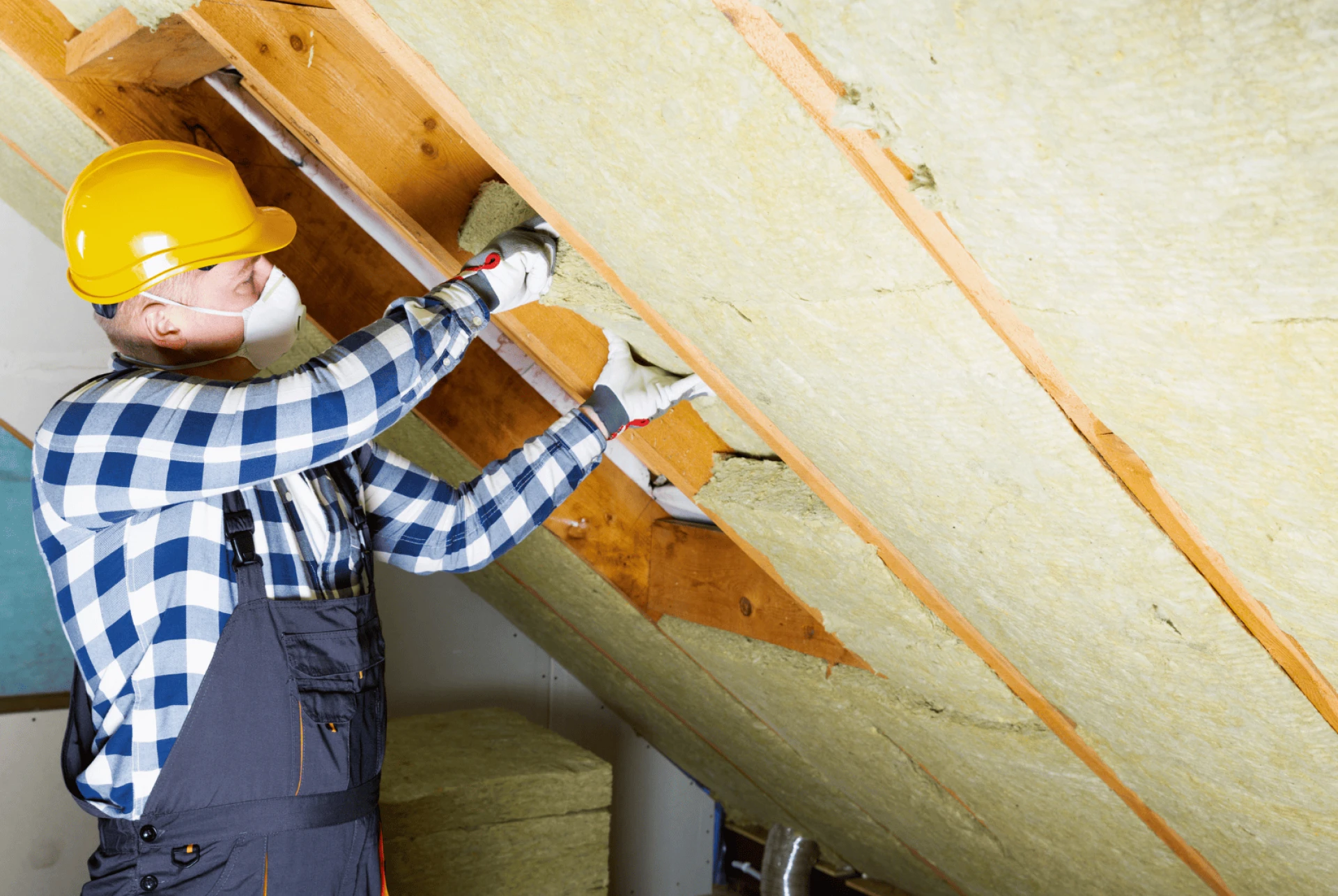
Blanket insulation, also known as batt or roll insulation, is one of the most common types. Made from materials such as fiberglass, mineral wool, or recycled fabrics, it is laid down between and over the joists in your loft. This type is both cost-effective and easy to install, making it a popular choice for homeowners.
2. Loose-Fill Insulation
Loose-fill insulation involves pouring or blowing lightweight materials, such as cellulose or cork, into the loft. It’s particularly suited for hard-to-reach areas or irregularly shaped spaces where blanket insulation may not fit properly.
3. Spray Foam Insulation
Spray foam is an excellent option for those looking to insulate and seal gaps simultaneously. Applied as a liquid, it expands to form a dense, airtight layer, offering superior thermal performance. However, it’s typically more expensive than other options.
4. Sheet Insulation
Sheet insulation, also known as rigid board insulation, comes in pre-cut panels. It is highly effective and often used in spaces where additional structural support is needed, such as under flat roofs.
Each type of insulation offers unique advantages, and consulting professionals like Victorian Insulation ensures you select the best option for your home’s needs and budget.
The Benefits of Loft Insulation
The benefits of loft insulation extend far beyond just cutting heating bills. From enhancing your home’s comfort to contributing to environmental sustainability, its advantages are numerous.
1. Significant Reduction in Energy Bills
One of the primary benefits of loft insulation is its potential to lower energy bills. With heat retention improved, your heating system doesn’t need to work as hard to maintain a comfortable indoor temperature. Many homeowners see savings of 20-30% annually on their energy costs, which can translate to hundreds of pounds or dollars saved each year.
2. Enhanced Indoor Comfort
Have you ever noticed that certain rooms in your home feel colder than others during winter? Inadequate insulation is often the culprit. By insulating your loft, you can eliminate cold drafts and ensure consistent temperatures throughout your home. This makes your living environment more comfortable, no matter the season.
3. Increased Property Value
In today’s housing market, energy efficiency is a major selling point. Homes with loft insulation often have a higher Energy Performance Certificate (EPC) rating, which makes them more appealing to potential buyers. Insulation is an upgrade that not only saves money but also boosts your home’s resale value.
4. Positive Environmental Impact
With growing concerns about climate change, reducing your home’s carbon footprint is more important than ever. Loft insulation contributes to this goal by reducing the amount of energy your home consumes. By making this eco-friendly improvement, you’re helping to reduce greenhouse gas emissions while also supporting a sustainable future.
5. Cost-Effective Longevity
Unlike other home improvements that may require regular maintenance or upgrades, loft insulation is a one-time investment that can last for decades. High-quality materials, when installed correctly, retain their effectiveness for 20 to 40 years, providing you with long-term savings and peace of mind.
Loft Insulation vs. Other Home Improvements
When compared to other popular home upgrades, such as installing new windows or remodeling a kitchen, loft insulation consistently outperforms in terms of cost-effectiveness and practicality.
1. Return on Investment (ROI)
Few home improvements offer as high a return on investment as loft insulation. By significantly reducing energy costs, it pays for itself within a few years. In contrast, more expensive projects like kitchen renovations often take much longer to deliver financial returns.
2. Ease of Installation
Unlike disruptive projects such as bathroom remodeling, loft insulation can typically be installed within a day, causing minimal inconvenience to your household. This makes it an ideal choice for those seeking a quick, impactful upgrade.
3. Low Upfront Costs
While projects like solar panel installation or adding an extension can cost tens of thousands, loft insulation is a relatively affordable improvement. Depending on the type and size of your loft, installation costs range from £400 to £1,000, making it accessible for most homeowners.
Maximizing the Efficiency of Loft Insulation
To fully reap the benefits of loft insulation, it’s essential to ensure proper installation and maintenance. Below are some steps to help maximize its efficiency:
1. Hire Professional Installers
Although DIY installation is possible, it’s not always advisable. Professional installers, like those at Victorian Insulation, ensure the job is done to a high standard. They can assess your loft, recommend the best materials, and eliminate issues like gaps or uneven coverage.
2. Seal Air Leaks
To complement your insulation, address air leaks around windows, doors, and chimneys. Sealing these gaps prevents heat from escaping, further improving energy efficiency.
3. Maintain Adequate Ventilation
While it’s important to insulate your loft, ensuring proper ventilation is equally critical. Poor ventilation can lead to condensation, which may damage the insulation over time. A professional installer can help you balance insulation and airflow effectively.
Is Loft Insulation Right for You?
Loft insulation isn’t just for older homes or those with high energy bills. It’s a practical upgrade for anyone looking to enhance their home’s comfort and efficiency. Below are some scenarios where loft insulation makes the most sense:
- Older Homes: Older properties often lack modern insulation, making them ideal candidates for this upgrade.
- High Energy Costs: If your heating and cooling bills are consistently high, loft insulation can provide immediate savings.
- Sustainability Goals: If reducing your environmental impact is a priority, loft insulation is a step in the right direction.
Choosing the Right Service Provider
The success of your insulation project largely depends on the expertise of the service provider. When choosing an installer, look for qualities like experience, customer reviews, and high-quality materials. Victorian Insulation is a trusted name in the industry, offering tailored solutions and professional service to ensure your home is insulated to the highest standards.
Conclusion
Loft insulation stands out as one of the most practical, cost-effective, and environmentally friendly home improvement projects available today. By reducing energy bills, enhancing comfort, and boosting property value, it delivers benefits that extend far beyond its modest installation cost. Whether you’re looking to save money, reduce your carbon footprint, or simply make your home more livable, loft insulation is an upgrade worth considering.
For a seamless and efficient installation process, trust experts like Victorian Insulation to transform your home into an energy-efficient haven.
FAQs About Loft Insulation
1. How much money can I save with loft insulation?
Properly installed loft insulation can reduce heating bills by up to 30%, saving you hundreds of pounds or dollars annually.
2. How long does loft insulation last?
Most insulation materials last between 20 and 40 years, depending on their quality and the conditions in your loft.
3. Can I install loft insulation myself?
While DIY installation is possible, hiring professionals ensures the insulation is installed correctly and efficiently, avoiding gaps or other issues.
4. Does loft insulation require maintenance?
Loft insulation requires minimal maintenance but should be checked periodically for signs of wear, moisture, or damage.







Sign in to leave a comment.