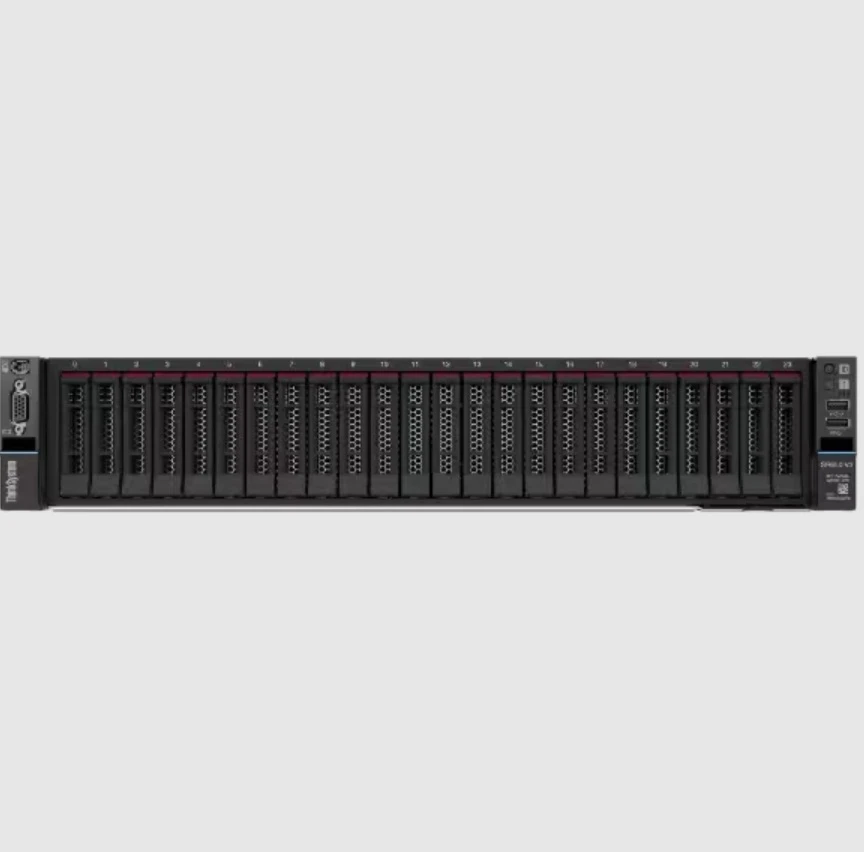

Modern enterprises depend on strong and stable data movement to support cloud platforms, AI workloads, and real time analytics. As digital operations grow the pressure on network infrastructure also increases and businesses must evaluate whether their environment can handle the next wave of bandwidth demand.
800G connectivity now represents a major step forward because it delivers higher throughput, lower latency and better efficiency across the data center. However the decision to adopt 800G should not rely on speed alone.
IT teams must carefully review their rack server design switching fabric cabling power capacity and workload patterns before moving forward. When your rack server environment aligns with long term growth plans you create a foundation that supports innovation without disruption.
The following seven ways will help you evaluate readiness in a clear and practical manner so you can move ahead with confidence and clarity.
1. Evaluate Current Bandwidth Utilization
First you need to understand how much bandwidth your organization currently uses. Many businesses upgrade because they expect growth yet they never measure actual traffic patterns. When you review utilization reports from your switching layer you can identify peak loads sustained throughput and congestion points.
When your rack server clusters consistently approach link capacity during peak business hours, an upgrade to 800G connectivity can directly address measurable performance constraints and support sustained throughput demands.
However if network utilization remains within moderate levels for most operational periods it is more strategic to optimize existing infrastructure and traffic management before committing to higher speed connectivity investments.
2. Review Workload Demands and Application Growth
Next you should analyze the workloads that run on your infrastructure. AI training, big data analytics, high resolution video processing and high frequency transactions all generate massive data streams. As these applications scale they require faster interconnects to maintain performance.
If your roadmap includes expansion of AI clusters or advanced analytics then 800G connectivity may align with strategic goals. On the other hand traditional file serving or light virtualization workloads may not yet justify the jump.
Furthermore you should forecast growth for the next three to five years. When leadership plans digital transformation initiatives your network must support that direction without repeated redesign.
3. Assess Switching and Network Hardware Compatibility
Your architecture must support 800G from end to end. Even if servers support faster network interface cards your switches must also handle the same throughput. Therefore compatibility becomes a key readiness indicator.
Key Hardware Checks
- Verify whether your core and aggregation switches support 800G ports
- Confirm that backplane capacity can sustain aggregated traffic
- Ensure firmware and operating systems support advanced routing at high speeds
- Check that optical modules align with required standards
When hardware cannot support these upgrades you must plan phased replacements to avoid service disruption. As a result a full audit protects you from unexpected compatibility gaps.
4. Examine Rack Server Network Interface Capabilities
Another important factor involves the network interface cards inside each rack server. These adapters must support higher speed connections while also maintaining stability under heavy workloads.
If your existing adapters cap at 100G or 200G then you cannot fully benefit from 800G switching at the top of the rack layer. Therefore you should confirm whether vendor roadmaps include compatible NIC upgrades.
At the same time review PCIe lane availability because high speed networking consumes more bandwidth inside the server itself. When internal architecture aligns with external network capacity performance improves across the entire stack.
5. Analyze Cabling Infrastructure and Physical Layout
High speed connectivity requires precise cabling design. Copper and fiber quality length and layout all influence signal integrity. Therefore you should inspect whether your current infrastructure meets 800G specifications.
Infrastructure Considerations
- Evaluate fiber type and connector standards
- Confirm distance limits between racks
- Check airflow patterns to prevent overheating
- Review cable management to reduce signal interference
If cabling paths remain cluttered or outdated you may face performance instability. By improving physical organization you support cleaner signal transmission and long term reliability.
6. Review Power and Cooling Capacity
As network speeds increase energy consumption often rises as well. 800G switches and high performance adapters generate more heat which demands stronger cooling strategies. Therefore you must evaluate whether your power distribution units and cooling systems can handle additional load.
When you review total rack power draw, compare current consumption against rated capacity. If your data center operates close to limits you should expand cooling or upgrade power infrastructure before implementing higher speed networking.
7. Evaluate Management and Monitoring Readiness
Finally you must consider operational visibility. High speed networks require advanced monitoring tools that track latency packet loss and throughput in real time. Without proper analytics teams may struggle to detect issues quickly.
You should confirm that your network management platform supports telemetry at 800G speeds. Furthermore automation capabilities help manage configuration changes across multiple racks and clusters.
When IT teams understand traffic patterns clearly they can optimize routing policies, balance loads and prevent congestion. Therefore management maturity plays a critical role in readiness.
Conclusion
Technology evolves quickly yet strong architecture always begins with thoughtful planning. As your organization pursues higher performance and smarter data strategies your network must stand ready to carry that vision forward.
By following these seven ways you move beyond hype and focus on measurable readiness. You build confidence among stakeholders and you create a roadmap grounded in clarity rather than urgency. When your rack server environment aligns with power cooling switching and workload goals you step into the 800G era with strength and control.
In the end the right upgrade does more than increase speed. It supports growth, strengthens trust and keeps your digital foundation steady for years to come.












Sign in to leave a comment.