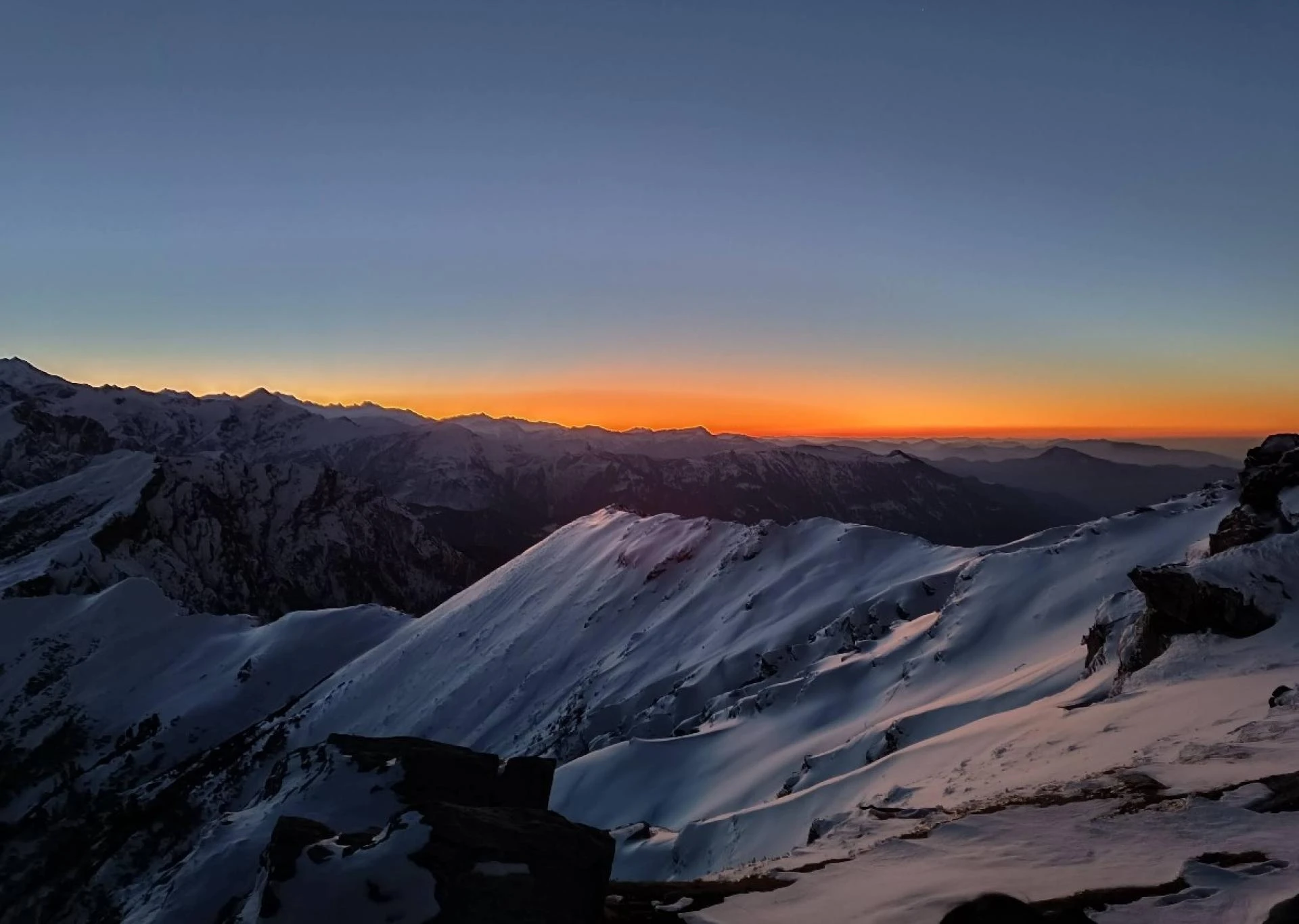

Kedarkantha Trek is one of the most popular treks in Uttarakhand, India. Known for its breathtaking views, snow-capped peaks, and beautiful campsites, it attracts trekkers of all skill levels. One of the most important things to know before planning your trek is the best time to visit Kedarkantha, which depends on weather, snowfall, and trekking conditions. In this article, we will guide you through the ideal season, weather patterns, snowfall, and tips to make your Kedarkantha trek enjoyable and safe.
About Kedarkantha Trek
Kedarkantha is a part of the Garhwal Himalayan range and is located in the Govind Wildlife Sanctuary. The trek starts from Sankri village and gradually ascends through lush forests, meadows, and frozen streams to reach the Kedarkantha summit at 12,500 feet. The trek is about 20 km long, usually completed in 4 to 6 days, making it suitable for beginners as well as experienced trekkers.
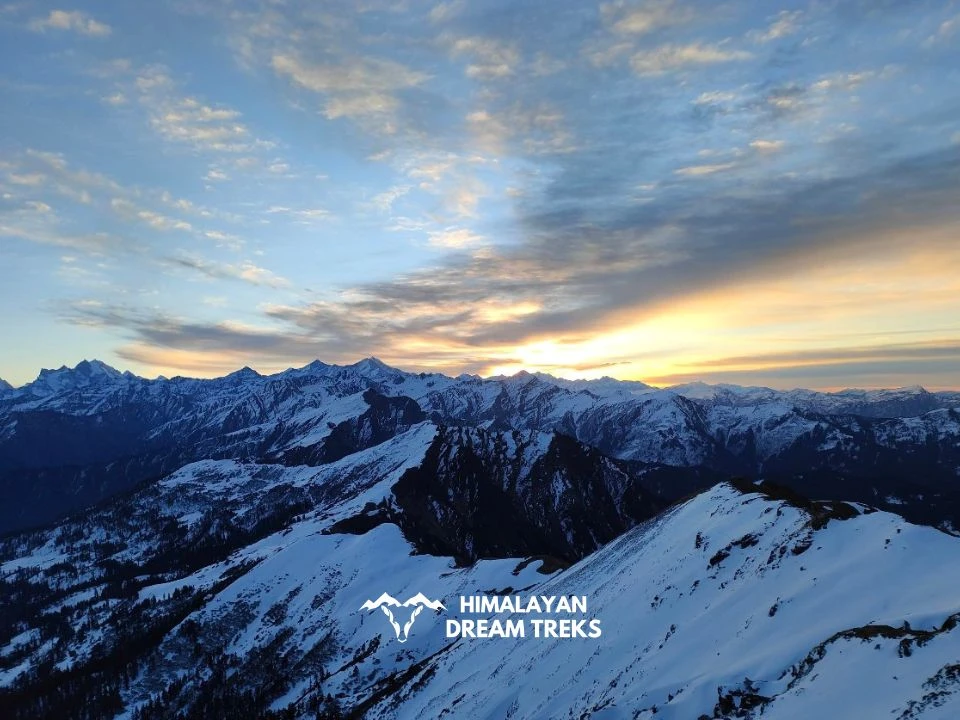
From the summit, trekkers get panoramic 360-degree views of the Himalayas, including peaks like Swargarohini, Bandarpoonch, and Black Peak. Kedarkantha is an easy to moderate level trek, making it suitable for beginners as well as experienced hikers. The journey is not just about reaching the top; it’s also about enjoying the peaceful surroundings, spotting local plants and wildlife, and camping under the starry mountain sky.
Best Time to Visit Kedarkantha
The best time to do the Kedarkantha trek largely depends on the experience you want. The two main trekking seasons are:
- Winter Season (December to March)
- Summer Season (April to June)
Winter Season: December to March
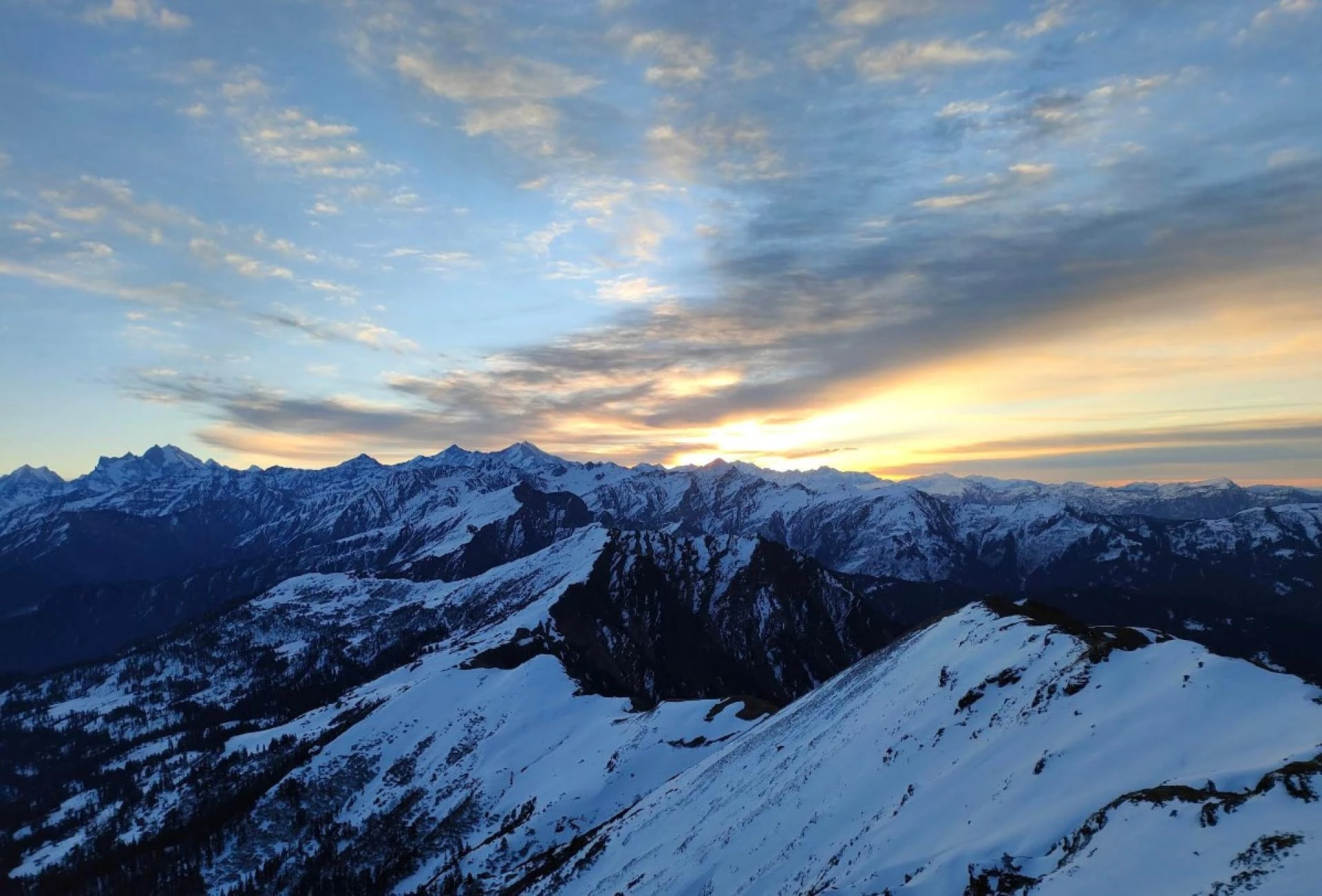
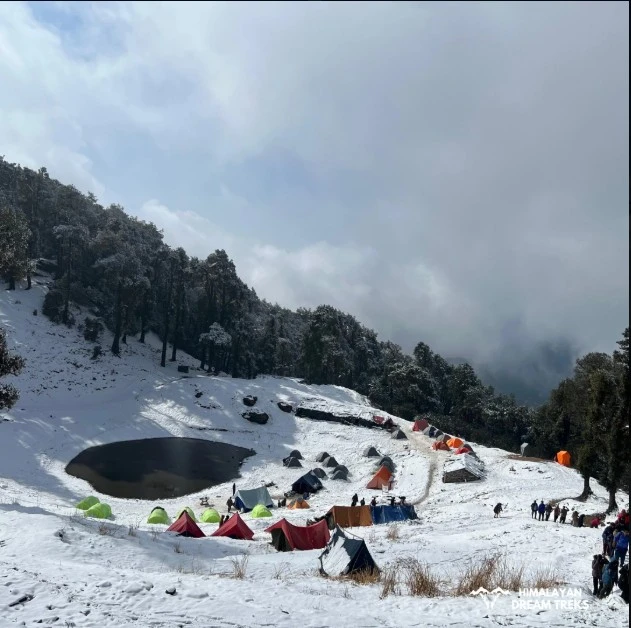
The winter season is the most popular time for Kedarkantha Trek, especially for snow lovers. During this time, the entire trek is covered with fresh snow, and the summit provides a stunning white landscape. The trek becomes more challenging due to snow, so it’s ideal for people who enjoy snow trekking and camping in winter conditions.
- Weather: Daytime temperatures range from 5°C to 10°C, and nighttime temperatures can drop to -7°C to -10°C near the summit.
- Snowfall: December to February is the peak snowfall season, offering thick layers of snow ideal for trekking.
- Pros:
- Stunning snow-covered scenery
- Perfect for photography
- Moderate trekking difficulty suitable for beginners with guides
- Cons:
- Cold temperatures require proper winter gear
- Trails can be slippery and icy
- Less available local facilities in winter
Summer Season: April to June
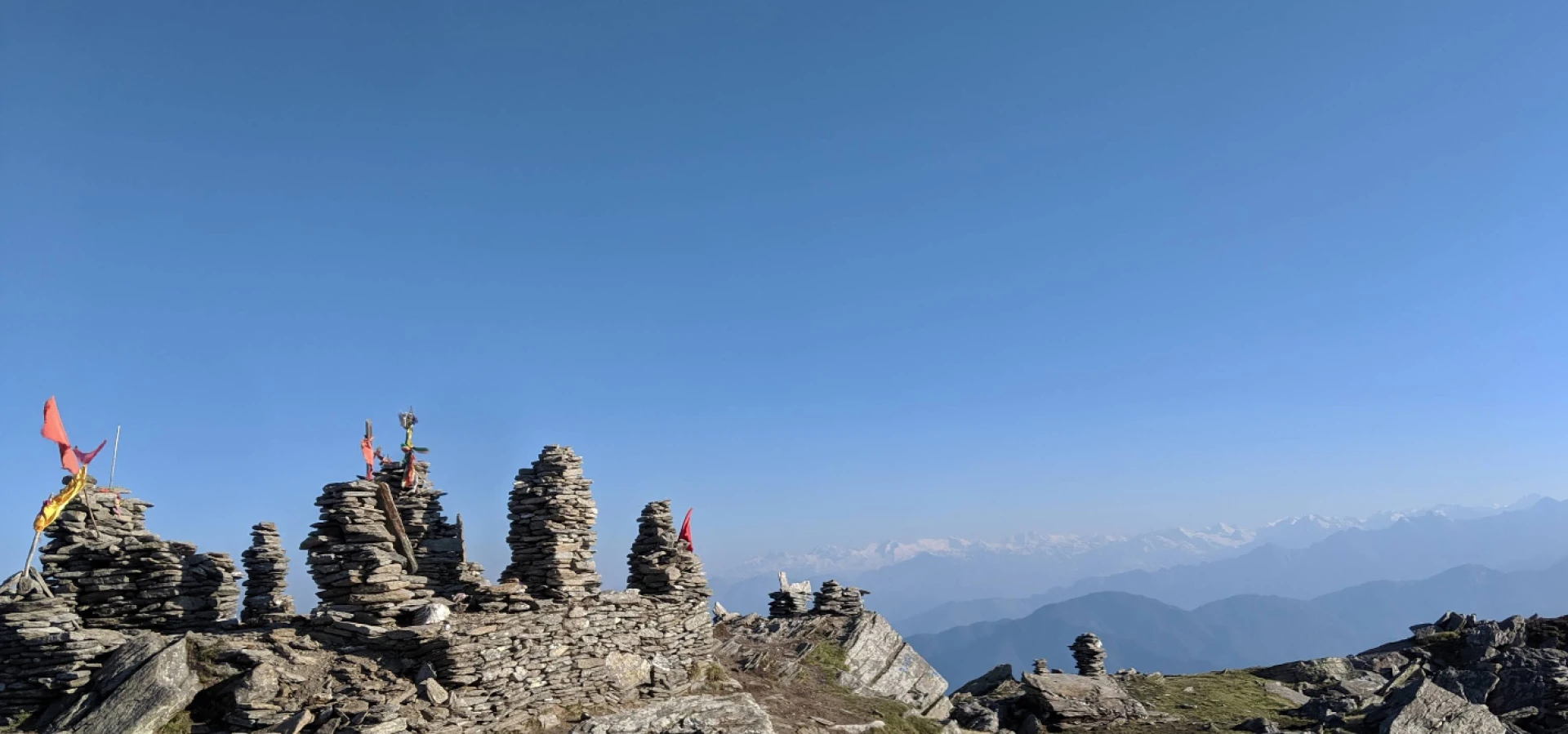
Summer is another excellent time to trek Kedarkantha. The weather is mild, and the snow melts, revealing lush green meadows and colorful flowers along the trail. This season is ideal for people who prefer comfortable temperatures and clear trails.
- Weather: Daytime temperatures range from 15°C to 20°C, while nights can be cool at 5°C to 10°C.
- Snowfall: Most snow melts by April, and only small patches remain near the summit.
- Pros:
- Comfortable trekking conditions
- Green landscapes and blooming flowers
- Less risk of slippery trails
- Cons:
- No thick snow cover for snow activities
- Slightly crowded during peak summer holidays
Monsoon Season: July to September
Trekking Kedarkantha during monsoon is not recommended. Heavy rainfall makes the trails slippery and dangerous. Landslides are common in Uttarakhand during this time, which can make trekking risky.
- Weather: Heavy rain with humidity and low visibility
- Trail Conditions: Slippery, muddy, and unsafe
- Pros: Few tourists
- Cons: Unsafe trekking conditions, leeches, and dense clouds blocking views
Autumn Season: October to November
Autumn is another good time for trekking Kedarkantha. The weather is clear, and the skies are bright, offering amazing views of the Himalayan peaks. Trails are dry, and the temperatures are moderate.
- Weather: 10°C to 20°C during the day, 0°C to 5°C at night
- Trail Conditions: Dry and safe
- Pros: Clear skies and perfect photography conditions
- Cons: Less snow at the summit
How Weather Affects Kedarkantha Trek
The weather plays a crucial role in determining the difficulty level and safety of the trek:
- Snow Conditions: Heavy snowfall makes the trek more adventurous but requires proper gear like snow boots, crampons, and trekking poles.
- Trail Safety: Rain or snow can make trails slippery and dangerous. Winter trekking needs careful navigation.
- Visibility: Fog or clouds can reduce visibility, making navigation harder. Summer and autumn are ideal for clear views.
- Temperature: Cold temperatures in winter require layered clothing, while summer is mild and comfortable.
Tips for Trekking Kedarkantha
- Choose the Right Season: Winter for snow and adventure, summer for easy trekking and greenery.
- Book in Advance: Winter is the peak season, so book your guides, camps, and permits early.
- Pack Proper Gear: Thermal clothing for winter, trekking shoes, gloves, and hats. In summer, light clothing and sun protection are enough.
- Stay Hydrated: Keep water bottles and snacks to maintain energy levels.
- Hire a Guide: Especially in winter, a local guide is recommended for safety and route knowledge.
- Acclimatize: Spend a day in Sankri or nearby villages to adjust to altitude.
Conclusion
The best time to trek Kedarkantha depends on your preferences. If you love snow trekking, photography, and adventure, December to March is the ideal season. For comfortable trekking with clear skies and green landscapes, April to June or October to November is perfect. Monsoon trekking should be avoided due to safety concerns.
By planning according to the season, preparing with the right gear, and hiring local guides, your Kedarkantha trek can be an unforgettable experience. Whether you are a beginner or an experienced trekker, Kedarkantha offers stunning views, fresh mountain air, and a memorable Himalayan adventure.







Sign in to leave a comment.