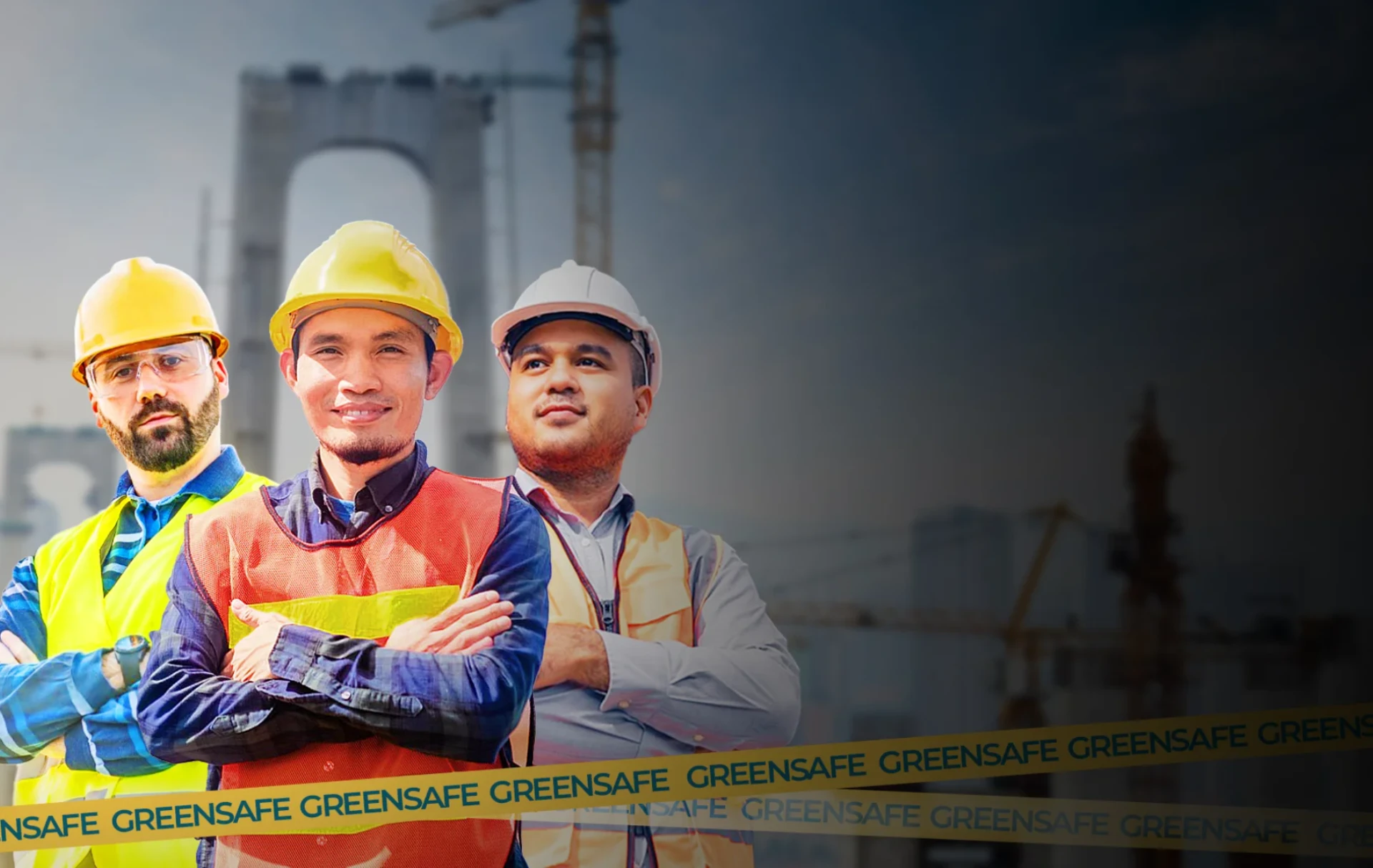

Lifting operations are a common activity in industries such as construction, shipyards, logistics, and heavy manufacturing. These operations involve moving heavy loads using cranes, hoists, and lifting equipment. Because of the risks involved, riggers and signalmen play a crucial role in ensuring that every lifting operation is carried out safely and efficiently.
The responsibilities of a rigger and signalman in lifting operations go far beyond simply attaching loads or giving hand signals. Their role includes planning, coordinating, and monitoring lifting activities to prevent accidents and ensure smooth crane operations. Understanding the key responsibilities of a rigger and signalman in lifting operations is essential for maintaining workplace safety and preventing lifting-related incidents.
Understanding the Role of Riggers and Signalmen
In any lifting operation, teamwork between the crane operator, rigger, and signalman is essential. A rigger is responsible for preparing and securing loads before they are lifted, while a signalman communicates instructions to the crane operator to guide the load safely during movement.
Together, they ensure that lifting operations follow proper safety procedures and comply with workplace safety regulations. Their expertise is critical in preventing hazards such as load drops, equipment failure, or collisions.
Key Responsibilities of a Rigger in Lifting Operations
A rigger is responsible for preparing the load and ensuring that lifting equipment is used correctly. Proper rigging techniques are essential to prevent load instability and accidents.
1. Inspecting Rigging Equipment
One of the primary responsibilities of a rigger is inspecting lifting equipment before use. This includes checking:
- Slings
- Shackles
- Hooks
- Chains
- Lifting beams
Regular inspection helps ensure that all equipment used in lifting operations is safe and suitable for the load being lifted.
2. Selecting the Correct Rigging Method
Different loads require different rigging techniques. A rigger must carefully evaluate the weight, shape, and center of gravity of the load to determine the appropriate rigging method.
Choosing the correct rigging configuration ensures stability during the lift and prevents load imbalance.
3. Securing the Load Properly
Another critical responsibility is attaching lifting gear securely to the load. Improper attachment can cause the load to slip or fall during lifting operations. A skilled rigger ensures that the load is balanced and properly secured before the crane operator begins the lift.
4. Monitoring Load Stability
During the lifting process, riggers must observe the load carefully. If the load becomes unstable or shifts unexpectedly, the rigger must immediately alert the signalman and crane operator to stop the operation.
Key Responsibilities of a Signalman in Lifting Operations
The signalman acts as the communication link between the crane operator and the lifting team on the ground. Since crane operators may not always have a clear view of the load or surroundings, signalmen guide the lifting operation using standardized signals.
1. Communicating with the Crane Operator
Signalmen provide clear instructions to the crane operator using hand signals or communication devices. These signals guide the crane operator during:
- Lifting the load
- Moving the load horizontally
- Lowering the load safely
Effective communication helps prevent misunderstandings that could lead to accidents.
2. Maintaining Clear Visibility of the Load
Signalmen must always maintain a clear view of the load and the surrounding work area. This allows them to identify potential hazards and guide the crane operator safely through the lifting process.
3. Controlling the Lifting Area
Before the lifting operation begins, signalmen ensure that unauthorized personnel are kept away from the lifting zone. This helps reduce the risk of injuries caused by falling loads or moving equipment.
4. Identifying Potential Hazards
Signalmen must continuously monitor the work environment. Hazards such as overhead obstacles, unstable ground conditions, or nearby workers must be identified and addressed before continuing the lifting operation.
Importance of Coordination Between Rigger and Signalman
Successful lifting operations depend on strong coordination between the rigger and signalman. The rigger prepares and secures the load, while the signalman guides the crane operator to move the load safely.
When both roles are performed correctly, lifting operations become more efficient and significantly safer. Proper coordination helps prevent common lifting hazards such as:
- Load swinging
- Equipment overload
- Collision with structures
- Accidental load drops
Workplace Safety Benefits of Proper Rigging and Signaling
When riggers and signalmen follow proper safety procedures, organizations benefit in several ways:
- Reduced workplace accidents
- Improved lifting efficiency
- Compliance with safety regulations
- Better protection for workers and equipment
Investing in proper training for rigger and signalman tasks helps ensure that workers have the knowledge and skills required to perform lifting operations safely.
Conclusion
Riggers and signalmen play a vital role in maintaining safety during lifting operations. Their responsibilities include inspecting equipment, securing loads, communicating with crane operators, and monitoring potential hazards throughout the lifting process.
Understanding the key responsibilities of a rigger and signalman in lifting operations helps organizations strengthen workplace safety and reduce the risks associated with heavy lifting activities. With proper training, planning, and teamwork, lifting operations can be carried out safely, efficiently, and in full compliance with workplace safety standards.
Visit : Greensafe International for more…








Sign in to leave a comment.