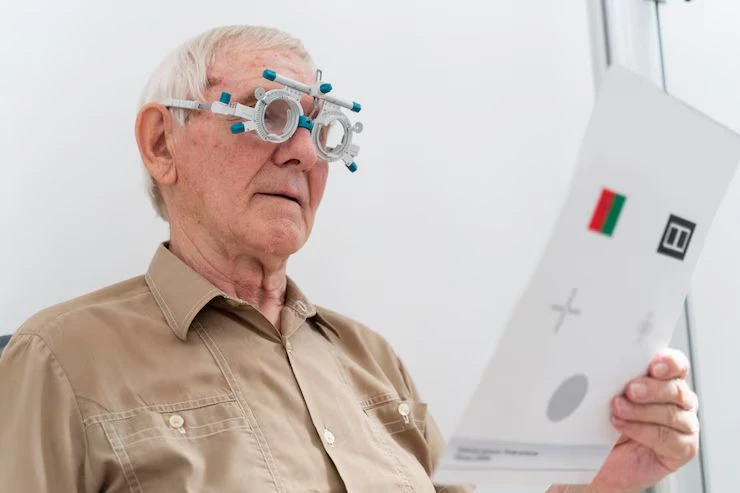

PDR proliferative diabetic retinopathy is a severe complication of diabetes that affects the eyes, specifically the retina. This condition arises when uncontrolled blood sugar levels damage the blood vessels in the retina, leading to abnormal blood vessel growth. These new vessels are fragile and can leak, causing vision impairment or even blindness if untreated. For patients diagnosed with PDR proliferative diabetic retinopathy, understanding the condition and its management is critical to preserving vision and improving quality of life. This guide provides a comprehensive overview of managing PDR proliferative diabetic retinopathy, including treatment options, lifestyle changes, and practical tips for patients.
Understanding the Condition
PDR proliferative diabetic retinopathy occurs in the advanced stages of diabetic retinopathy, a condition caused by prolonged high blood sugar levels. The retina, a light-sensitive layer at the back of the eye, relies on healthy blood vessels to function properly. In PDR proliferative diabetic retinopathy, damaged vessels lead to oxygen deprivation, prompting the growth of abnormal blood vessels. These vessels can bleed into the vitreous (the gel-like substance in the eye), cause scar tissue, or lead to retinal detachment, all of which threaten vision.
Symptoms of PDR proliferative diabetic retinopathy may include:
- Blurred or distorted vision
- Floaters or dark spots in the field of vision
- Difficulty seeing at night
- Sudden vision loss
Early stages may be asymptomatic, making regular eye exams critical for diabetic patients. If you have diabetes, consult an ophthalmologist annually to catch signs of PDR proliferative diabetic retinopathy before it progresses.
Diagnosis and Monitoring
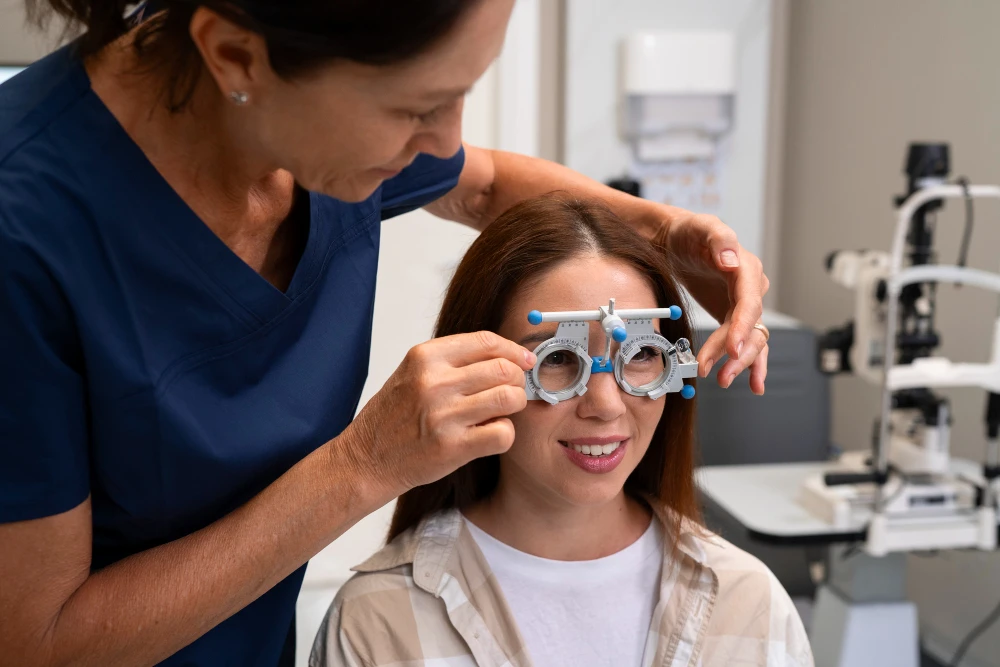
Diagnosing PDR proliferative diabetic retinopathy requires specialized eye exams. Ophthalmologists use tools like:
- Dilated Eye Exam: To examine the retina for abnormal blood vessels or bleeding.
- Fundus Photography: To capture detailed images of the retina.
- Fluorescein Angiography: To track blood flow in retinal vessels.
- Optical Coherence Tomography (OCT): To assess retinal thickness and detect swelling.
Regular monitoring is essential for managing PDR proliferative diabetic retinopathy. Patients should schedule eye exams at least once a year, or more frequently if advised by their doctor. Early detection allows for timely intervention, which can prevent severe vision loss.
Treatment Options for PDR Proliferative Diabetic Retinopathy
Managing PDR proliferative diabetic retinopathy involves a combination of medical treatments and lifestyle adjustments. The goal is to stabilize the condition, prevent further damage, and preserve vision. Below are the primary treatment options:
1. Laser Therapy (Panretinal Photocoagulation)
Laser therapy is a common treatment for PDR proliferative diabetic retinopathy. Panretinal photocoagulation (PRP) uses a laser to create small burns on the retina, reducing the growth of abnormal blood vessels. This procedure helps shrink existing vessels and prevents new ones from forming. While effective, it may cause side effects like reduced peripheral vision or night vision challenges. Discuss the benefits and risks with your ophthalmologist to determine if this is suitable for you.
2. Anti-VEGF Injections
Anti-vascular endothelial growth factor (anti-VEGF) injections are a newer treatment for PDR proliferative diabetic retinopathy. Medications like ranibizumab or aflibercept are injected into the eye to block VEGF, a protein that promotes abnormal blood vessel growth. These injections can reduce swelling (macular edema) and stabilize vision. Treatment often requires multiple injections over time, and patients should follow their doctor’s schedule to achieve the best outcomes.
3. Vitrectomy Surgery
In advanced cases of PDR proliferative diabetic retinopathy, where bleeding into the vitreous or retinal detachment occurs, a vitrectomy may be necessary. This surgery removes the vitreous gel and any blood or scar tissue, restoring clearer vision. Vitrectomy is typically reserved for severe cases and carries risks like infection or cataract formation. Your doctor will assess whether this procedure is appropriate based on the extent of retinal damage.
4. Managing Underlying Diabetes
Controlling blood sugar levels is critical in managing PDR proliferative diabetic retinopathy. Poorly controlled diabetes accelerates retinal damage, worsening the condition. Work with your healthcare team to:
- Monitor blood glucose levels regularly.
- Follow a diabetes-friendly diet.
- Take prescribed medications or insulin as directed.
Maintaining stable blood sugar levels can slow the progression of PDR proliferative diabetic retinopathy and reduce the need for invasive treatments.
Lifestyle Changes to Support Eye Health
In addition to medical treatments, lifestyle changes play a significant role in managing PDR proliferative diabetic retinopathy. Here are practical steps patients can take:
1. Blood Sugar Control
Tight control of blood glucose is the cornerstone of preventing PDR proliferative diabetic retinopathy progression. Aim for an A1C level below 7% (or as recommended by your doctor). Use a glucometer to track daily levels, and work with a dietitian to create a meal plan that stabilizes blood sugar.
2. Manage Blood Pressure and Cholesterol
High blood pressure and cholesterol exacerbate retinal damage in PDR proliferative diabetic retinopathy. Adopt a heart-healthy diet low in sodium and saturated fats. Regular exercise, such as walking or swimming, can help regulate blood pressure. If prescribed, take medications for hypertension or high cholesterol consistently.
3. Quit Smoking
Smoking worsens blood vessel damage and increases the risk of complications in PDR proliferative diabetic retinopathy. Seek support through smoking cessation programs, nicotine replacement therapies, or counseling to quit successfully.
4. Regular Exercise
Physical activity improves circulation and helps control blood sugar and blood pressure. Aim for at least 150 minutes of moderate aerobic exercise per week, such as brisk walking or cycling. Consult your doctor before starting a new exercise regimen, especially if you have other diabetes-related complications.
5. Protect Your Eyes
Wear sunglasses to shield your eyes from UV rays, which can contribute to eye damage. Avoid rubbing your eyes, as this can worsen retinal issues in PDR proliferative diabetic retinopathy. If you experience sudden changes in vision, contact your ophthalmologist immediately.
Coping with Vision Changes
Living with PDR proliferative diabetic retinopathy can be challenging, especially if vision loss occurs. Here are strategies to cope:
- Low Vision Aids: Magnifiers, large-print books, or screen-reading software can help with daily tasks.
- Support Groups: Joining a diabetes or vision loss support group can provide emotional support and practical tips.
- Mental Health Care: Vision changes can lead to anxiety or depression. Speak with a counselor or therapist if you’re struggling emotionally.
Working with Your Healthcare Team
Managing PDR proliferative diabetic retinopathy requires a collaborative approach. Your healthcare team may include:
- Ophthalmologist: Specializes in diagnosing and treating eye conditions like PDR proliferative diabetic retinopathy.
- Endocrinologist: Helps manage diabetes and blood sugar levels.
- Dietitian: Assists in creating a diet plan to control blood sugar and support overall health.
- Primary Care Physician: Coordinates care and monitors other diabetes-related complications.
Communicate openly with your team, report any vision changes promptly, and follow their recommendations for treatments and follow-ups.
Preventing Progression of PDR Proliferative Diabetic Retinopathy
Prevention is key to managing PDR proliferative diabetic retinopathy. In addition to controlling blood sugar, blood pressure, and cholesterol, consider these tips:
- Annual Eye Exams: Regular screenings catch early signs of retinal damage.
- Healthy Diet: Focus on foods rich in antioxidants, like leafy greens, berries, and fish, to support eye health.
- Stay Informed: Educate yourself about PDR proliferative diabetic retinopathy to make informed decisions about your care.
Advances in Research and Treatment
Research into PDR proliferative diabetic retinopathy is ongoing, with promising developments in 2025. Newer anti-VEGF drugs, gene therapies, and less invasive laser techniques are being studied to improve outcomes. Clinical trials may offer access to cutting-edge treatments—ask your ophthalmologist if you’re eligible to participate.
Practical Tips for Daily Life
Here are actionable tips for patients managing PDR proliferative diabetic retinopathy:
- Keep a log of your blood sugar readings and share them with your doctor.
- Set reminders for eye appointments and medication schedules.
- Use smartphone apps designed for diabetes management to track diet and exercise.
- Create a support network of family or friends to help with appointments or lifestyle changes.
Conclusion
Managing PDR proliferative diabetic retinopathy requires a proactive approach, combining medical treatments, lifestyle changes, and regular monitoring. By controlling blood sugar, adopting healthy habits, and working closely with your healthcare team, you can slow the progression of this condition and protect your vision. Stay informed, stay vigilant, and take charge of your eye health to live well with PDR proliferative diabetic retinopathy. If you notice any changes in your vision, contact your ophthalmologist immediately to address them promptly.













Sign in to leave a comment.