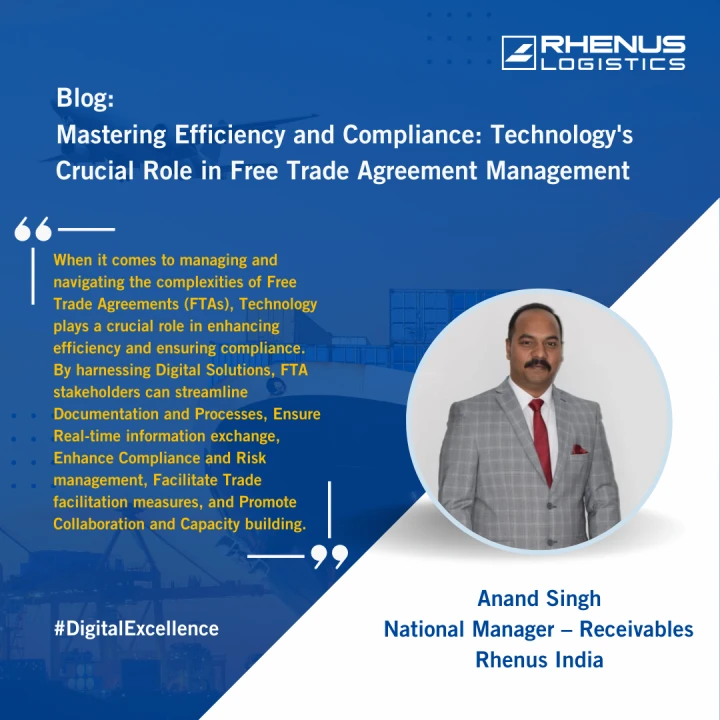
In today's fast-paced and interconnected world, technology has revolutionized numerous aspects of our lives, including international trade. When it comes to managing and navigating the complexities of free trade agreements (FTAs), technology plays a crucial role in enhancing efficiency and ensuring compliance. By harnessing digital solutions, governments, businesses, and stakeholders involved in FTA management can streamline processes, reduce administrative burdens, and capitalize on the benefits offered by these agreements. This article explores the role of technology in free trade agreement management and highlights how digital solutions contribute to efficiency and compliance.
Streamlining Documentation and Processes:
Free trade agreements involve extensive documentation and paperwork, ranging from certificates of origin to customs declarations. Technology simplifies this process by digitizing documentation, enabling electronic submission, and automating data verification. Electronic data interchange (EDI) systems facilitate the exchange of trade-related information, reducing manual errors, and expediting customs procedures. By streamlining documentation and processes, technology eliminates paperwork bottlenecks, reduces administrative costs, and accelerates the movement of goods across borders.
Ensuring Real-time Information Exchange:
Real-time information exchange is crucial for efficient FTA management. Technology enables the integration of disparate systems, allowing seamless communication and data sharing between various stakeholders, including customs authorities, government agencies, and businesses. Through advanced data analytics and tracking technologies, such as radio-frequency identification (RFID) and global positioning systems (GPS), supply chain participants can monitor the movement of goods, track inventory, and ensure compliance with FTA requirements. Real-time information exchange facilitates timely decision-making, enhances visibility across the supply chain, and minimizes delays and disruptions.
Enhancing Compliance and Risk Management:
Complying with FTA regulations and mitigating risks are vital for successful trade operations. Technology solutions assist in automating compliance checks, ensuring adherence to rules of origin, and managing tariff classifications. Integrated trade management systems provide comprehensive visibility into regulatory changes, enabling businesses to proactively adjust their operations and supply chains accordingly. Moreover, digital tools offer robust risk management capabilities by identifying potential compliance issues, detecting fraud, and improving audit trails. By leveraging technology, FTA stakeholders can mitigate risks, strengthen compliance, and safeguard against costly penalties and delays.
Facilitating Trade Facilitation Measures:
Trade facilitation measures aim to simplify customs procedures, reduce trade barriers, and enhance efficiency. Technology solutions, such as single-window platforms, enable businesses to submit trade-related documents electronically through a centralized portal, eliminating the need for multiple submissions to different agencies. Additionally, automated customs clearance systems leverage artificial intelligence and machine learning algorithms to expedite inspections and enhance risk assessment. By digitizing trade facilitation measures, technology fosters seamless cross-border transactions, reduces trade costs, and promotes economic growth.
Promoting Collaboration and Capacity Building:
Technology not only streamlines processes but also facilitates collaboration and capacity building among FTA stakeholders. Digital platforms and online portals provide a space for governments, businesses, and industry associations to share knowledge, exchange best practices, and engage in dialogue. E-learning modules and webinars enable capacity building and training on FTA regulations, customs procedures, and compliance requirements. By promoting collaboration and capacity building, technology empowers stakeholders with the necessary skills and knowledge to effectively manage FTAs and leverage their benefits.
In conclusion, technology plays a transformative role in free trade agreement management. By harnessing digital solutions, FTA stakeholders can streamline documentation and processes, ensure real-time information exchange, enhance compliance and risk management, facilitate trade facilitation measures, and promote collaboration and capacity building. Embracing technology not only improves efficiency but also enables businesses and governments to capitalize on the advantages offered by FTAs. As technology continues to evolve, it will undoubtedly shape the future of FTA management, fostering seamless and sustainable international trade.
Sign in to leave a comment.