

The hospitality industry is witnessing a seismic shift in how frontline staff learn and develop their skills. Desktop computers and lengthy classroom sessions are rapidly becoming relics of the past, replaced by smartphones that fit in employees' pockets. As hotels, restaurants, and service establishments adapt to this new reality, the question isn't whether to go mobile it's whether desktop training has any future at all.
The Mobile Revolution in Hospitality Training
Frontline hospitality workers rarely sit at desks. Housekeepers move between rooms, servers navigate busy dining floors, and front desk staff stand for entire shifts. Asking these employees to complete training on a desktop computer during their break or after their shift isn't just inconvenient it's fundamentally disconnected from their reality.
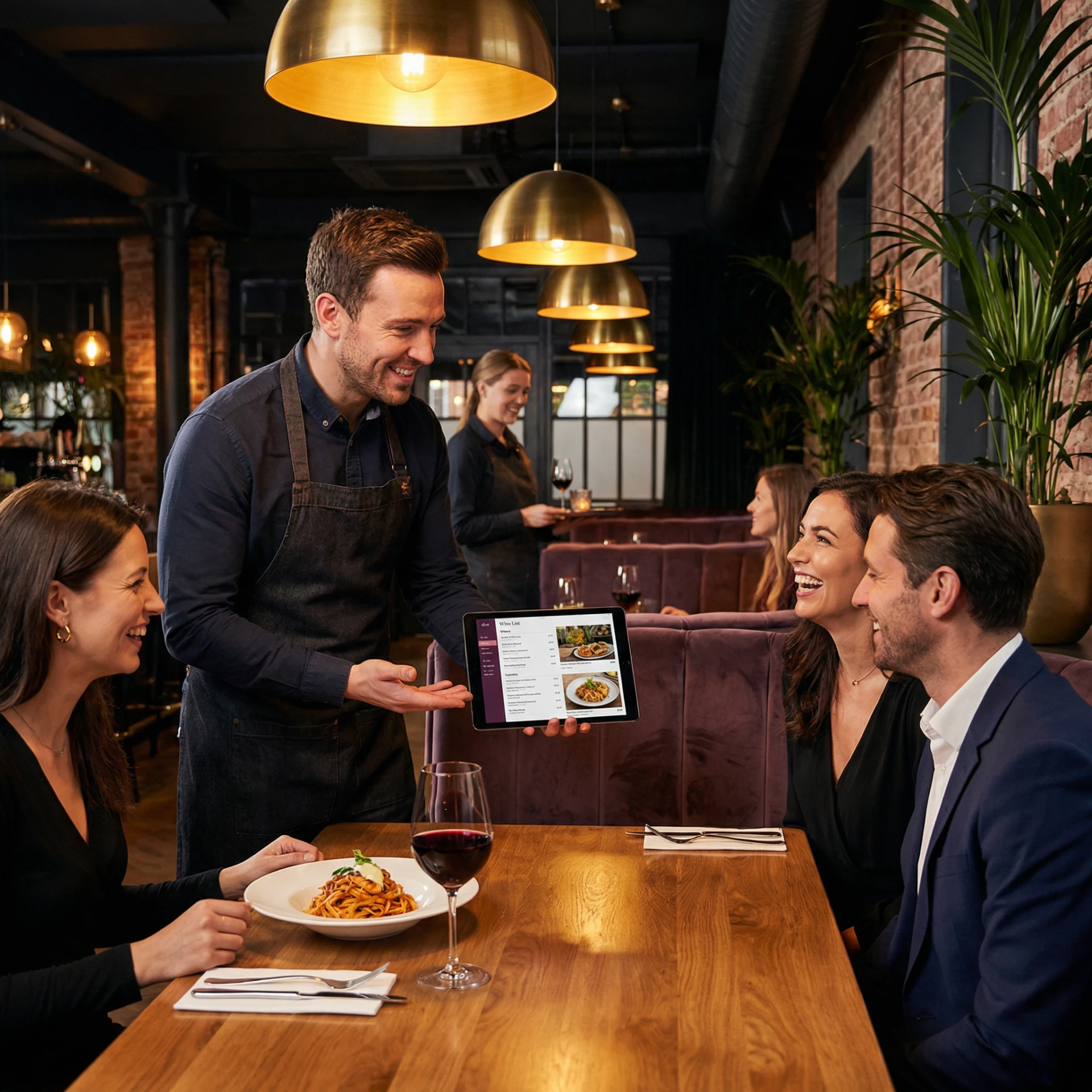
Modern hospitality training software recognizes this challenge and delivers learning experiences directly to the devices staff already carry. With mobile-first platforms, a bartender can review cocktail recipes between orders, a housekeeper can refresh room setup protocols while moving between floors, and a concierge can access guest service guidelines during their shift. This just-in-time learning approach aligns perfectly with the fast-paced nature of hospitality work.
Why Desktop Training Is Dying
The data tells a compelling story. Training completion rates on mobile devices consistently exceed 95%, while traditional desktop-based programs struggle to reach even 30%. The reason is simple: accessibility. When training lives on a phone, employees can learn during natural downtime waiting for the next table to arrive, riding the elevator between floors, or during brief lulls in guest activity.
Moreover, today's workforce expects mobile experiences. Gen Z employees, who now make up a significant portion of hospitality staff, grew up with smartphones as their primary computing device. Requiring them to use desktop computers for training feels outdated and creates unnecessary friction in the learning process.
An effective hospitality LMS must prioritize mobile optimization not as an afterthought but as the foundation of its design. This means touch-friendly interfaces, video content that loads quickly on cellular networks, and offline capabilities for areas with poor Wi-Fi coverage common in hotel basements, kitchens, and back-of-house areas.
Features That Define the Best Mobile Training
What separates average mobile training from the best hospitality training solutions? Several key features make the difference.
First, bite-sized content that respects employees' limited time. Rather than hour-long modules, effective mobile training delivers information in 60-second to 5-minute segments that staff can complete between tasks. This microlearning approach dramatically improves retention and completion rates.
Second, offline functionality is non-negotiable. Many hospitality properties struggle with connectivity in certain areas, and staff shouldn't need a perfect internet connection to access critical training materials. The best platforms allow employees to download content and complete training anywhere, syncing their progress when connectivity returns.
Third, multimedia variety keeps learners engaged. Text-heavy PDFs don't work on mobile devices. Successful mobile training incorporates short videos, interactive quizzes, photo-based assessments, and even augmented reality for hands-on skill development.
The Business Case for Mobile-Only Training
Forward-thinking hospitality organizations are making a bold move: abandoning desktop training entirely. This mobile-only approach eliminates the need for training rooms, dedicated computers, and scheduled sessions that pull staff off the floor during busy periods.
The ROI is compelling. Hotels and restaurants implementing mobile LMS for hospitality report 40-60% reductions in training time, freeing managers to focus on guest service rather than coordinating training logistics. New hires reach full productivity faster, and seasonal workers can complete onboarding remotely before their first shift.
The desktop training era is ending not because of technological trends, but because it never truly served the needs of hospitality workers. Mobile-first training meets employees where they are both literally and figuratively creating learning experiences that fit seamlessly into their workday and driving measurably better outcomes for the business.









Sign in to leave a comment.