
Indoor air quality has become one of the most talked-about health topics across the United States, and for good reason. Studies show that the air inside our homes can be two to five times more polluted than outdoor air. Whether you are dealing with seasonal allergies, stubborn mold growth, or chemical fumes from new furniture, the right allergy air purifier can make a world of difference for your family's health. With more Americans spending the majority of their time indoors, investing in clean air is no longer a luxury — it is a necessity.
What Makes Indoor Air So Dangerous?
Most people assume that staying indoors keeps them safe from pollution. The truth is quite the opposite. Every time you paint a wall, install new carpet, run cleaning products, or even burn a scented candle, you release invisible particles and gases into your home's air. Add to that the natural presence of dust, pollen, and pet dander, and you have a recipe for serious respiratory trouble. The good news is that modern air purifiers are specifically engineered to tackle these invisible threats layer by layer, giving you measurably cleaner air to breathe every single day.
The Allergy Problem Is Getting Worse
Allergy season in the US is getting longer and more intense every year. Millions of Americans now experience sneezing, itchy eyes, skin rashes, and asthma flare-ups triggered by airborne allergens floating right inside their own living rooms. Pollen, dust mites, and pet dander are among the biggest culprits. A high-quality allergy air purifier uses a True HEPA filter to trap particles as small as 0.3 microns, capturing the microscopic allergens that standard fans and HVAC systems simply cannot. If someone in your household suffers from asthma or chronic allergies, an air purifier with True HEPA filtration is one of the most impactful upgrades you can make.
Mold: The Silent Threat Hiding in Your Home
According to the Centers for Disease Control and Prevention (CDC), mold exposure can cause coughing, wheezing, sneezing, and in severe cases, lung infections and neurological issues. Research suggests that as many as 24% of American households may contain mold — often in bathrooms, basements, and around windows where moisture builds up. Once mold releases its spores into the air, those microscopic particles can travel through your entire home via the HVAC system. A quality air filter for mold equipped with a True HEPA filter traps mold spores before they can settle and spread, significantly reducing your family's daily exposure. It is worth noting that an air purifier works best after professional mold remediation — it is not a substitute for removing mold at its source, but it is an essential tool for keeping the air clean once treatment is done.
What Are VOCs and Why Should You Care?
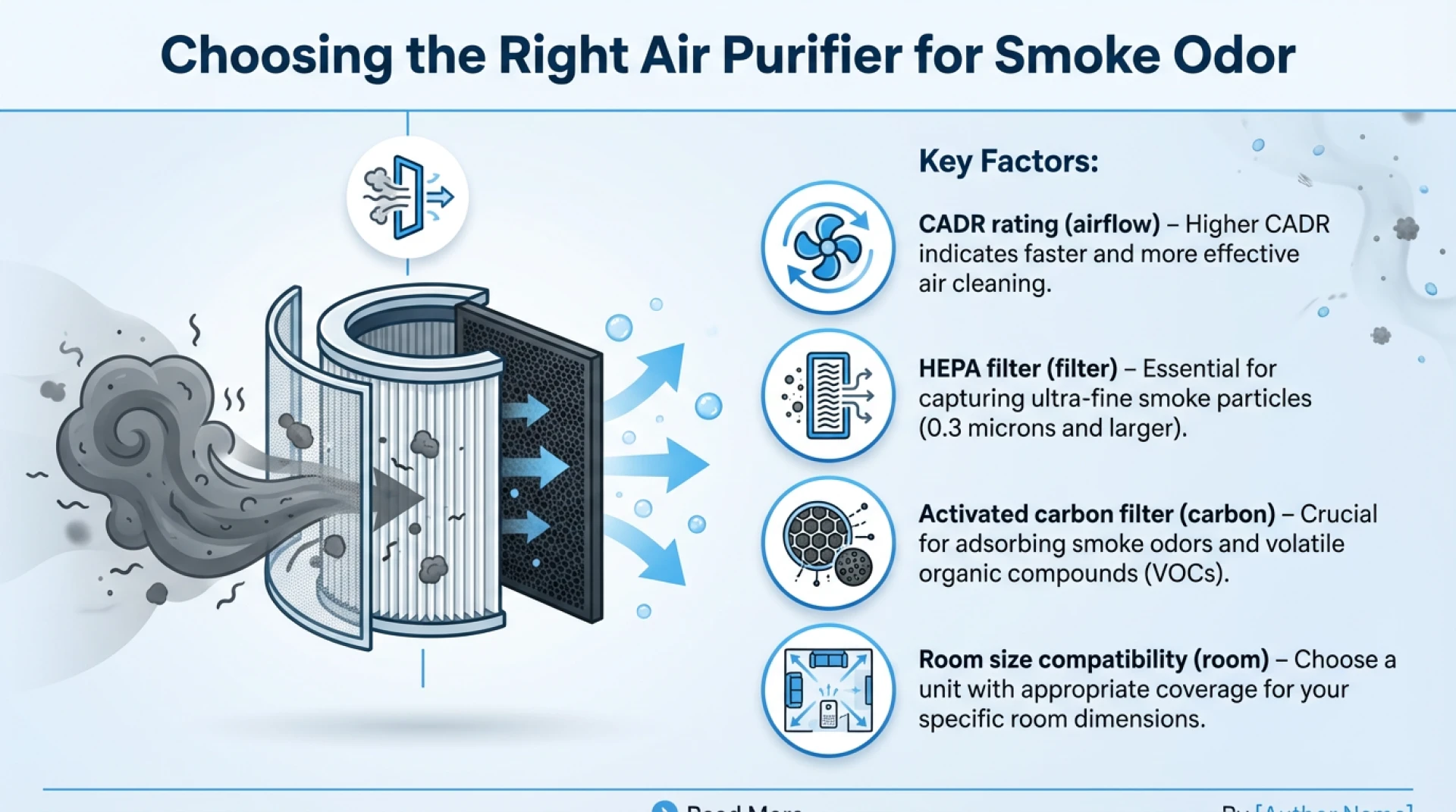
Volatile Organic Compounds, or VOCs, are gases released into the air from everyday household products such as paints, varnishes, adhesives, flooring, new furniture, and even some cleaning products. According to the US Environmental Protection Agency (EPA), VOC concentrations indoors can be two to five times higher than outdoors, and during certain activities like painting, concentrations can be up to a thousand times higher (source: EPA). Short-term exposure to VOCs can cause headaches, nausea, and eye irritation. Long-term exposure has been linked to liver and kidney damage and even certain types of cancer. This is exactly why choosing the right VOC air cleaner is so important — standard HEPA filters alone cannot capture these gas-phase pollutants. You need an air purifier that combines True HEPA filtration with a substantial activated carbon filter to adsorb VOC molecules from the air effectively.
How to Choose the Right Air Purifier for Your Home
Shopping for an air purifier can feel overwhelming with hundreds of options on the market. Here are the key features to look for. First, always look for a True HEPA filter — not "HEPA-type" or "HEPA-like," which are marketing terms with no standardized certification. A genuine True HEPA filter must capture at least 99.97% of particles down to 0.3 microns. Second, check for an activated carbon filter with significant weight and density. A thin layer of carbon dusted onto a pre-filter will do very little against VOCs and chemical odors. Third, make sure the unit is rated for your room size. An underpowered purifier running in a large space is far less effective than a properly sized unit. Finally, look for a Clean Air Delivery Rate (CADR) score — this tells you exactly how fast the machine can clean air in a given space, giving you a reliable, standardized comparison point regardless of brand.
Spring Allergy Season Is Here — Act Now
With spring in full swing across the US, pollen counts are surging from coast to coast. This is one of the most popular times of year for Americans to search for and purchase air purifiers online, and for good reason. Running a high-quality air purifier continuously during allergy season can dramatically reduce the amount of pollen, mold spores, and dust circulating in your home. For households with children, elderly residents, or anyone with a respiratory condition, having clean indoor air during peak allergy season is not just a comfort — it is a genuine health priority. The combination of a True HEPA filter for particles and a robust activated carbon layer for gases and odors gives you comprehensive protection against everything spring throws at your indoor air.
The Bottom Line
The air inside your home does not have to be a health hazard. Whether you are battling seasonal allergies, protecting your family from mold spores, or trying to eliminate toxic chemical fumes from renovation projects, today's best air purifiers offer targeted, science-backed solutions. Look for a unit that combines True HEPA filtration with a high-capacity activated carbon filter, is properly sized for your space, and carries certified performance ratings. With the right VOC air cleaner in your corner, you can breathe significantly easier — and live healthier — every single day of the year.













Sign in to leave a comment.