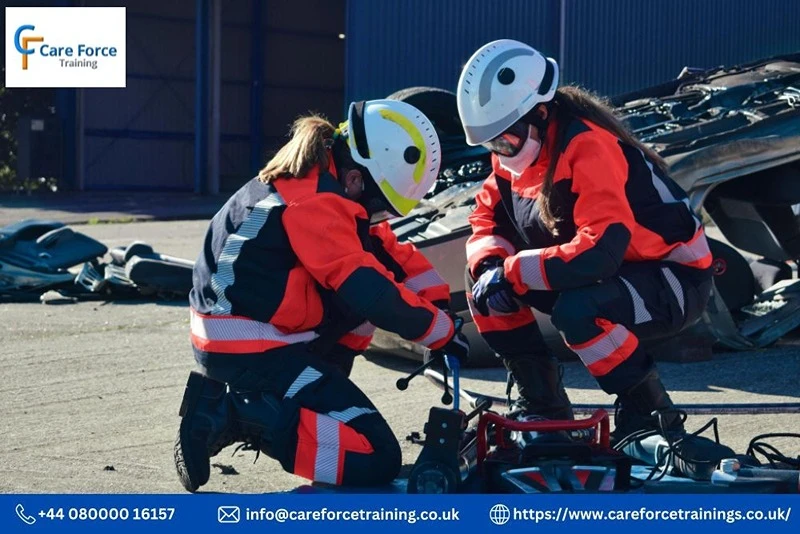

When considering the importance of workplace safety, the role of a moving and handling trainer becomes paramount. This professional plays a crucial part in ensuring that employees across various industries, especially in healthcare and social care settings, are equipped with the necessary skills to handle objects, equipment, and individuals safely. By actively engaging in moving and handling training, employees can mitigate the risk of workplace injuries and promote a safer working environment. Therefore, understanding the role of a moving and handling trainer is essential for both employers and employees alike.
Importance of Moving and Handling Trainer
In workplaces where manual handling activities are prevalent, such as healthcare and social care settings, the risk of injuries like musculoskeletal disorders is significant. Proper training in moving and handling techniques is crucial to minimizing these risks and fostering a safe working environment. Trained staff are better prepared to deliver quality care to individuals with mobility issues, ensuring their comfort and safety.
Regulatory Requirements for Moving and Handling Trainer
Regulatory bodies like the Health and Safety Executive (HSE) and the Care Quality Commission (CQC) have established guidelines and regulations concerning moving and handling practices in the workplace. Compliance with these regulations is mandatory for organizations to ensure the safety of their employees and service users.
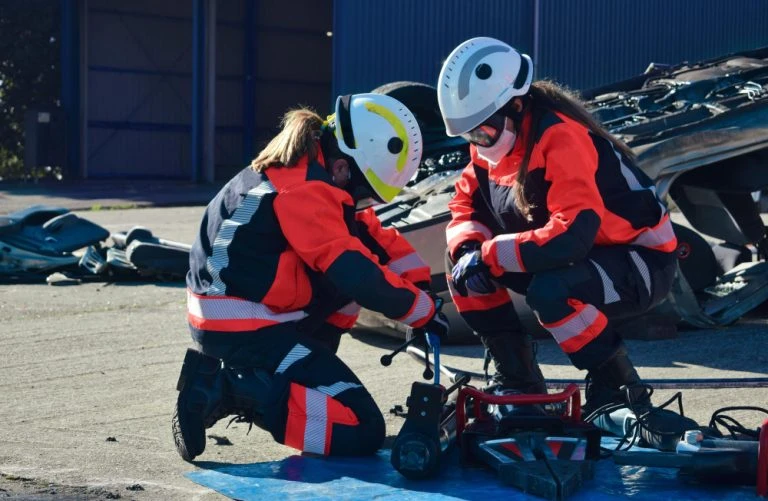
Key Components of Moving and Handling Trainer
Effective moving and handling training comprises various components, including risk assessment, safe lifting techniques, and equipment training. By addressing these aspects comprehensively, training programs empower individuals to perform tasks safely and efficiently.
- Risk Assessment: Before engaging in any manual handling activity, conducting a thorough risk assessment is essential to identify potential hazards and implement appropriate control measures.
- Safe Lifting Techniques: Proper lifting and handling techniques are critical in preventing musculoskeletal injuries. Training programs teach participants how to lift objects safely, distribute weight correctly, and use equipment effectively.
- Equipment Training: In healthcare and social care settings, specialized equipment like patient lifts and transfer aids are often used to assist with moving and handling tasks. Training in the operation and maintenance of this equipment is essential to ensure its safe and proper use.
Benefits of Proper Moving and Handling Trainer
Adopting proper moving and handling techniques offers numerous benefits for individuals and organizations alike.
- Reduction of Workplace Injuries: Equipping employees with the skills to perform manual handling tasks safely can significantly reduce workplace injuries and associated costs, enhancing productivity by minimizing absenteeism due to injuries.
- Enhanced Patient Care: In healthcare settings, proper moving and handling techniques are vital for ensuring the comfort, dignity, and safety of patients. Trained staff can provide care and assistance in a manner that minimizes discomfort and reduces the risk of injury during transfers and repositioning.
- Legal Compliance: Compliance with regulatory requirements regarding moving and handling training is essential to avoid legal repercussions. Investing in comprehensive training programs demonstrates an organization\'s commitment to employee safety and regulatory compliance, mitigating the risk of fines or litigation.
Choosing a Moving and Handling Trainer
When selecting a moving and handling trainer, several factors should be considered, including qualifications, experience, and training methodologies.
- Qualifications and Experience: Look for trainers with relevant qualifications and experience in the field of moving and handling. Ideally, trainers should have certifications from recognized organizations and a track record of delivering effective training programs.
- Training Methodologies: Evaluate the training methodologies employed by the trainer to ensure they are engaging, interactive, and tailored to the specific needs of your organization. Practical demonstrations, case studies, and hands-on exercises can enhance learning outcomes.
- Customization to Specific Needs: Choose a trainer who can customize their training programs to address the unique challenges and requirements of your workplace, ensuring the training content is relevant and applicable to your employees\' daily tasks.
Frequently Asked Questions (FAQs)
Q: What is moving and handling trainer?
A: Moving and handling trainer teaches individuals how to safely move and handle objects, equipment, and people to minimize the risk of injuries.
Q: Who needs moving and handling trainer?
A: Anyone involved in manual handling activities, including healthcare workers, social care providers, and industrial employees, can benefit from moving and handling training.
Q: How often should moving and handling trainer be conducted?
A: Moving and handling training should be provided initially to all relevant staff and repeated regularly, typically annually, to reinforce skills and address any changes in procedures or equipment.
Q: What are the consequences of not providing moving and handling trainer?
A: Failure to provide adequate moving and handling training can result in an increased risk of workplace injuries, legal non-compliance, and financial liabilities for organizations.
Q: How can I find a reputable moving and handling trainer?
A: To find a reputable moving and handling trainer, consider factors such as qualifications, experience, training methodologies, and customization options. Seek recommendations from industry peers and review testimonials or case studies from previous clients.
Conclusion
In conclusion, moving and handling trainer is a critical aspect of workplace safety and compliance, particularly in industries where manual handling activities are prevalent. By investing in comprehensive training programs and choosing reputable trainers, organizations can protect their employees, enhance patient care, and demonstrate their commitment to regulatory compliance.














Sign in to leave a comment.