
Introduction
The transition to renewable energy sources, particularly solar energy, has gained significant momentum in the United States. As more homeowners, businesses, and communities embrace solar power, understanding the legal and regulatory landscape becomes crucial. One of the most critical aspects of installing a solar energy system is obtaining the necessary permits. This article provides a detailed overview of the legal permits required for solar energy systems in the USA, the process involved, and tips to streamline the approval process.
Why Are Permits Necessary for Solar Energy Systems?
Permits are essential to ensure that solar energy systems are installed safely, comply with local building codes, and meet electrical standards. They protect homeowners, installers, and the community by ensuring that the systems are structurally sound, electrically safe, and environmentally compliant. Additionally, permits help local governments keep track of renewable energy installations and ensure they align with zoning laws and utility regulations.
Types of Permits Required for Solar Energy Systems
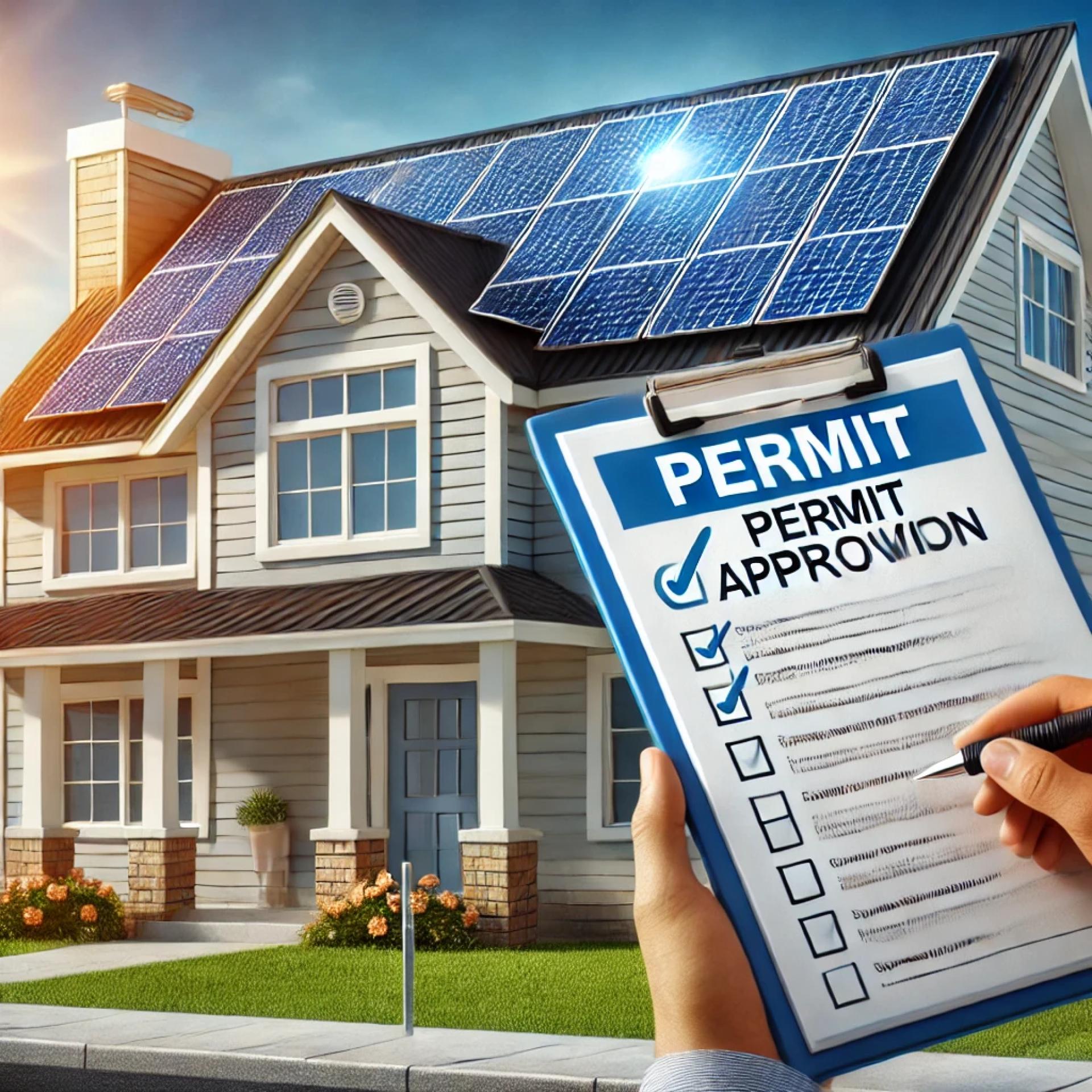
The permits required for solar installations vary depending on the type of system, location, and local regulations. Following are types of permits:
- Building Permits
- Building permits are required to ensure that the solar panel installation complies with local building codes. This includes verifying that the roof or ground-mounted structure can support the weight of the solar panels and that the installation does not compromise the structural integrity of the building.
- Electrical Permits
- Electrical permits are necessary to ensure that the wiring, inverters, and other electrical components of the solar system meet the National Electrical Code (NEC) standards. This ensures the system is safe and minimizes the risk of electrical fires or malfunctions.
- Zoning Permits
- Zoning permits are required to ensure that the solar installation complies with local land-use regulations. For example, some areas may have restrictions on the height of ground-mounted systems or the placement of panels on historic buildings.
- Utility Interconnection Permits
- If your solar system is connected to the grid, you will need an interconnection permit from your utility company. This ensures that your system meets the utility's technical requirements and can safely feed electricity back into the grid.
- Environmental Permits
- In some cases, particularly for large-scale solar projects, environmental permits may be required to assess the impact of the installation on local ecosystems, wildlife, and water resources.
The Permitting Process: Step-by-Step
- Research Local Requirements
- The first step is to research the specific permitting requirements in your area. These can vary significantly between states, counties, and even municipalities. Your solar installer can often assist with this step.
- Submit Application and Documentation
- Once you understand the requirements, you will need to submit a permit application along with detailed plans of the proposed solar installation. This typically includes site plans, electrical diagrams, and structural calculations.
- Pay Fees
- Permit fees vary depending on the location and the size of the solar project. These fees cover the cost of reviewing your application and conducting inspections.
- Await Approval
- The review process can take anywhere from a few days to several weeks, depending on the complexity of the project and the efficiency of the local permitting office.
- Schedule Inspections
- After the installation is complete, you will need to schedule inspections to ensure the system complies with all codes and regulations. This may include a structural inspection, electrical inspection, and final approval from the utility company.
Challenges in the Permitting Process
While the permitting process is essential, it can sometimes be cumbersome and time-consuming. Some common challenges include:
- Inconsistent Regulations: Permitting requirements can vary widely between jurisdictions, creating confusion for homeowners and installers.
- Delays: Lengthy review times and bureaucratic inefficiencies can delay project timelines.
- Costs: Permit fees and the cost of preparing documentation can add to the overall expense of the solar installation.
Tips for Streamlining the Permitting Process
- Work with an Experienced Installer: A reputable solar installer will be familiar with local permitting requirements and can handle much of the paperwork on your behalf.
- Use Online Resources: Many local governments provide online portals for permit applications, making the process faster and more convenient.
- Stay Organized: Keep all documentation, receipts, and correspondence related to your permit application in one place.
- Communicate with Your Utility: Early communication with your utility company can help avoid delays in the interconnection process.
The Role of Federal and State Incentives
In addition to local permits, solar energy systems in the USA may qualify for federal and state incentives, such as the Federal Investment Tax Credit (ITC) and state-specific rebates. These incentives can significantly reduce the cost of your solar installation and make the permitting process more worthwhile.
Conclusion
Navigating the legal permits for solar energy systems in the USA may seem daunting, but it is a crucial step in ensuring a safe and compliant installation. By understanding the types of permits required, the steps involved, and the potential challenges, you can streamline the process and enjoy the benefits of clean, renewable energy. As solar technology continues to advance and regulatory frameworks evolve, the permitting process is likely to become more efficient, further encouraging the adoption of solar energy across the country.
Sign in to leave a comment.