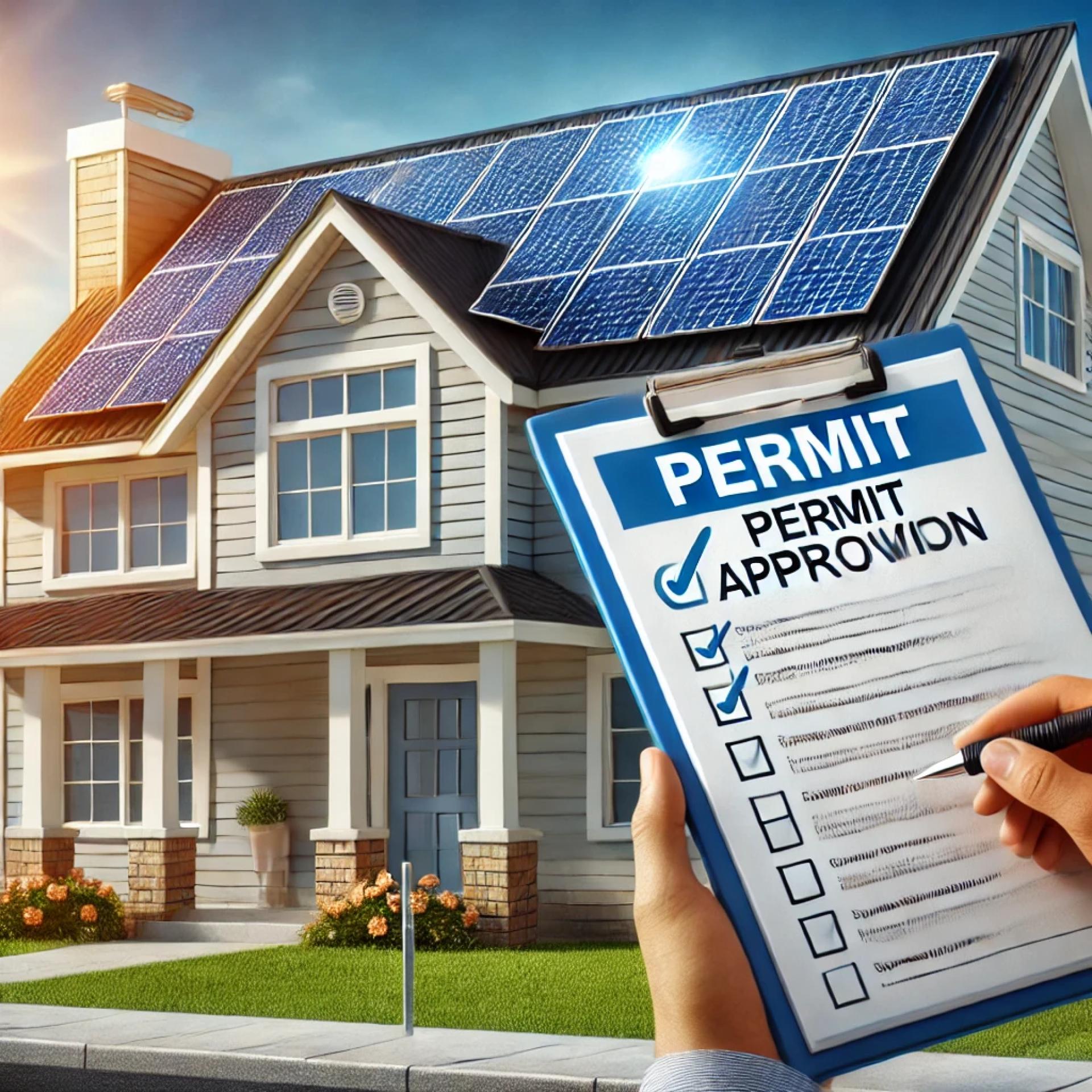

Navigating the Solar Permit and Licensing Process in the USA
As the adoption of solar energy continues to rise across the United States, homeowners and businesses are increasingly interested in harnessing the power of the sun. However, transitioning to solar energy requires more than just selecting the right panels and installer—it involves navigating a complex web of permits, regulations, and licensing requirements. Understanding this process is essential for ensuring a smooth installation and compliance with local laws.
Understanding the Need for Permits
Permits serve as a way for local authorities to ensure that solar energy systems are installed safely and according to established codes. These regulations help prevent electrical hazards, structural issues, and fire risks. While permit requirements vary by state, county, and city, they generally fall into three main categories:
- Building Permits: Ensure that the structural integrity of the building can support the solar panels.
- Electrical Permits: Verify that wiring, inverters, and other components meet safety standards.
- Zoning Permits: Confirm that the system complies with local zoning laws, especially in areas with aesthetic or environmental restrictions.
The Licensing Requirements for Installers
In many states, solar installation companies and professionals must have specific licenses to operate legally. These requirements typically depend on state laws and may include:
- Electrical Contractor’s License: Required in most states for handling electrical components.
- General Contractor’s License: Sometimes necessary if structural modifications are involved.
- Specialized Solar Licensing: Certain states, such as California and Texas, have specific certifications for solar installers.
Additionally, many installers pursue certifications from organizations like the North American Board of Certified Energy Practitioners (NABCEP), which, while not legally required, enhance credibility and ensure best practices.
Steps to Obtain Solar Permits
The permitting process varies by jurisdiction, but it generally includes the following steps:
- Site Assessment and System Design: The installer conducts a site visit to determine feasibility, shading, and optimal system size.
- Application Submission: Detailed plans are submitted to local authorities for approval. This may include electrical diagrams, roof load calculations, and fire safety compliance.
- Review and Approval: The local permitting office reviews the application, which can take anywhere from a few days to several weeks.
- Installation and Inspection: Once the permit is approved, installation begins. After completion, an inspection ensures the system meets all safety and code requirements.
- Interconnection Approval: After passing the inspection, the system is connected to the grid with approval from the local utility provider.
Common Challenges and How to Overcome Them
- Lengthy Approval Times: Some cities have slow processing times. Working with experienced installers who are familiar with local regulations can help expedite the process.
- Changing Regulations: Keeping up with evolving state and local laws is crucial. Solar advocacy groups and professional associations can provide updates on regulatory changes.
- Utility Company Requirements: Different utilities have varying interconnection policies. Ensuring compliance with these policies from the beginning helps avoid delays.
Streamlining the Process with Technology
To simplify the approval and licensing process, many states and cities are adopting digital solutions such as:
- Automated Permitting Systems: Platforms like Solar-APP+ (developed by the U.S. Department of Energy) help speed up approval times.
- Online Application Portals: Many municipalities allow for digital submissions, reducing paperwork and delays.
- AI-Based Compliance Checks: Some software solutions help verify permit applications before submission, minimizing errors and rejections.
Final Thoughts
While the process of securing approvals and licenses for solar installations may seem complex, understanding the requirements can help homeowners and businesses navigate it more efficiently. By working with licensed professionals, staying informed about regulations, and utilizing digital tools, transitioning to solar energy can become a smoother and more rewarding experience. With the right approach, the journey toward renewable energy can be both hassle-free and environmentally beneficial.













Sign in to leave a comment.