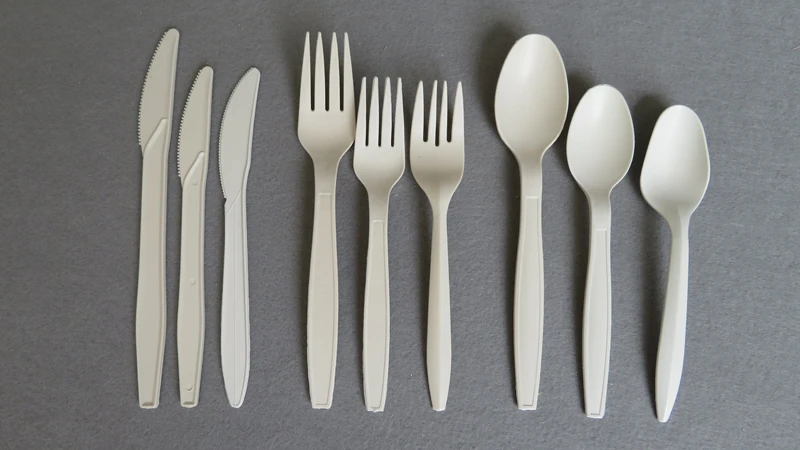

The global shift towards sustainability has permeated various industries, with the foodservice sector experiencing significant transformations. A notable development is the adoption of biodegradable and compostable cutlery, which addresses environmental concerns associated with traditional plastic utensils. This article explores the materials, environmental impacts, market trends, challenges, and future prospects of biodegradable and compostable cutlery.

Materials and Manufacturing Processes
Polylactic Acid (CPLA) Cutlery
PLA is a bioplastic derived from fermented plant starches, such as corn or sugarcane. It is favored for its clarity and compostability under industrial conditions. However, its brittleness and lower heat resistance compared to conventional plastics can limit its applications.
Polyhydroxyalkanoates (PHA)
PHAs are produced by bacterial fermentation of sugars or lipids. They are fully biodegradable and offer better heat resistance than PLA, making them suitable for a broader range of foodservice applications. The higher production cost remains a challenge for widespread adoption.
Cornstarch Plastic Cutlery
These materials blend starch with other biodegradable polymers to create cutlery that is both functional and compostable. They are typically used for products requiring moderate strength and durability.
Natural Fibers
Materials like bamboo and areca leaf are molded into cutlery, offering a natural aesthetic and biodegradability. They are renewable resources and decompose relatively quickly, reducing environmental impact.
Environmental Impacts
Reduction in Plastic Pollution
Traditional plastic cutlery contributes significantly to environmental pollution due to its persistence and accumulation in ecosystems. Biodegradable alternatives can mitigate this issue by breaking down more readily under appropriate conditions.
Carbon Footprint Considerations
The production of bioplastics like PLA and PHA often results in lower greenhouse gas emissions compared to petroleum-based plastics. However, factors such as land use for crop cultivation and energy consumption during manufacturing must be considered to fully assess their environmental benefits.
Composting and Soil Healthg
Compostable cutlery can enhance soil health when processed in industrial composting facilities, returning nutrients to the soil and supporting sustainable agriculture. However, the availability of such facilities is crucial for realizing these benefits.
Market Trends and Economic Factors
The global biodegradable cutlery market has been experiencing steady growth. In 2022, the market was valued at approximately USD 39.2 million and is projected to reach USD 77.8 million by 2032, growing at a compound annual growth rate (CAGR) of 7.1% during the forecast period.
Consumer Preferences
Increasing consumer awareness about environmental issues has led to a higher demand for sustainable products. A significant portion of consumers are willing to pay a premium for eco-friendly alternatives, driving the adoption of biodegradable cutlery.
Regulatory Policies
Governments worldwide are implementing bans on single-use plastics, encouraging businesses to transition to biodegradable options. These regulations are expected to further boost the market for compostable cutlery.
Challenges and Considerations
Composting Infrastructure
The effectiveness of compostable cutlery depends on the availability of industrial composting facilities. In regions lacking such infrastructure, these products may not decompose as intended, reducing their environmental benefits.
Consumer Misconceptions
There is often confusion between terms like "biodegradable" and "compostable," leading to improper disposal. Educating consumers on correct disposal methods is essential to maximize the environmental advantages of these products.
Performance Limitations
Some biodegradable cutlery options may not match the durability and heat resistance of traditional plastics, potentially affecting user experience. Ongoing research aims to improve these properties to meet consumer expectations.
Future Outlook
Material Innovations
Advancements in material science are expected to yield bioplastics cutlery with enhanced properties, such as increased strength and heat resistance, broadening their applicability in foodservice.
Expansion of Composting Facilities
Investment in composting infrastructure is crucial to support the end-of-life processing of compostable cutlery. Public-private partnerships and government initiatives can play a significant role in this development.
Global Adoption
As environmental awareness grows, more countries are likely to adopt policies promoting biodegradable cutlery, contributing to global sustainability efforts and reducing plastic pollution.
Conclusion
Biodegradable and compostable cutlery represents a significant advancement in sustainable dining practices. While challenges such as infrastructure limitations and consumer education persist, ongoing innovations and supportive policies are paving the way for broader adoption. Embracing these alternatives is a vital step towards reducing environmental impact and promoting a circular economy in the foodservice industry.











Sign in to leave a comment.