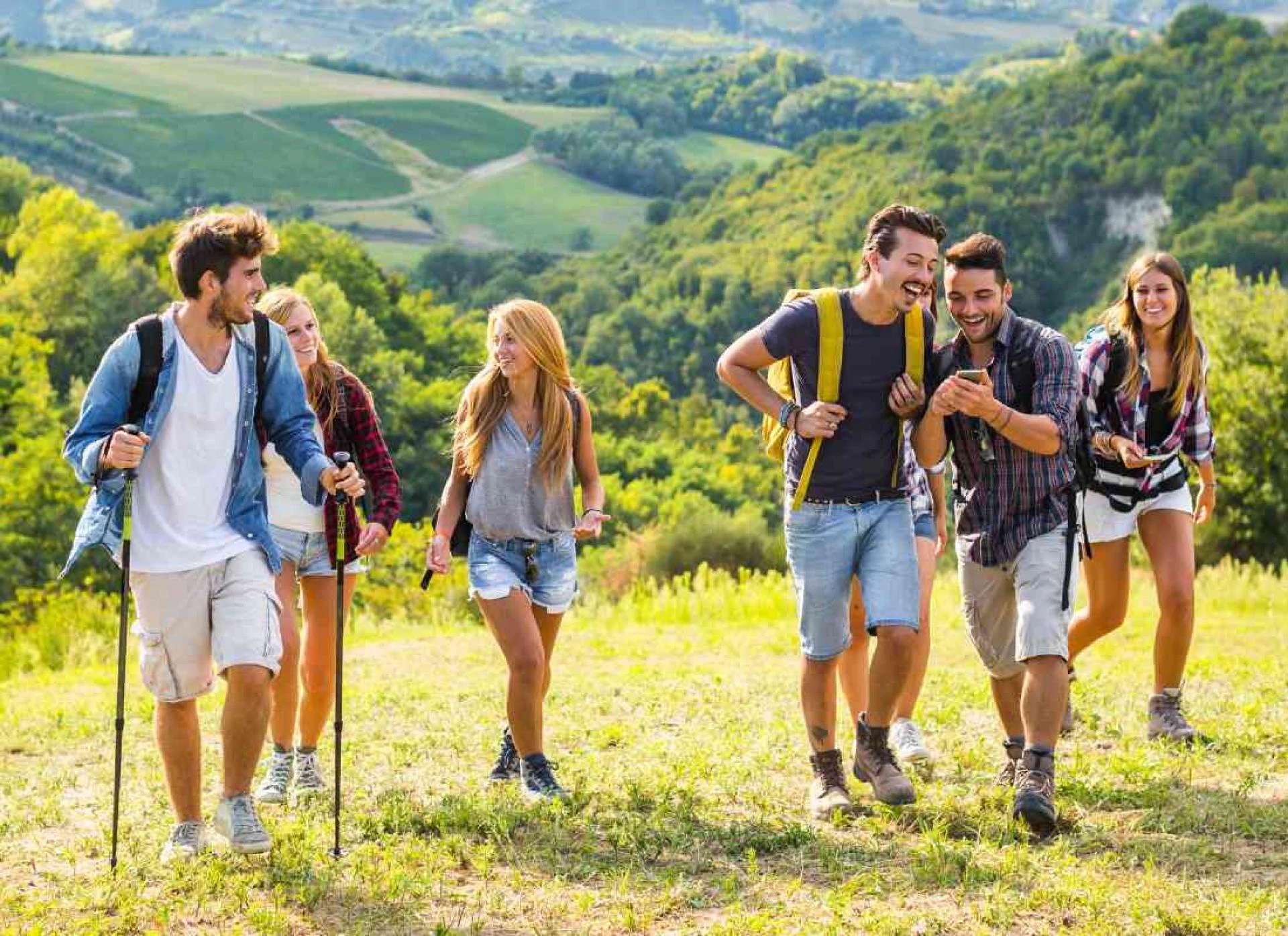
Nepal, a land blessed with majestic peaks and breathtaking landscapes, has become a haven for trekking enthusiasts worldwide. The diverse trekking experiences awaiting adventurers make it a prime destination for those seeking an unforgettable Himalayan journey.
Section 1: Planning Your Trekking Adventure
Choosing the Perfect Trek
When planning a trek in Nepal, selecting the right route is crucial. Consider the following factors to ensure an experience tailored to your preferences:
- Terrain and Difficulty: Assess your fitness level and choose a trek that aligns with your capabilities.
- Scenic Diversity: Explore the varied landscapes, from lush forests to arid mountainous regions.
- Cultural Experience: Some treks offer unique cultural encounters with local communities.
Essential Gear and Preparation
Proper gear and physical conditioning are paramount for a successful trek. Here's a comprehensive checklist to guide your preparation:
Trekking Gear Checklist:
- Sturdy hiking boots
- Weather-appropriate clothing layers
- Sleeping bag
- Trekking poles
- Backpack with rain cover
- First aid kit
- Water purification tools
Physical Conditioning Tips:
- Cardiovascular exercises
- Strength training for legs and core
- Altitude-specific training if possible
If you don’t know How to trek in Nepal, Follow above tips to make your trekking excellent.
Section 2: Navigating the Best Hiking Places in Nepal
Everest Base Camp Trek
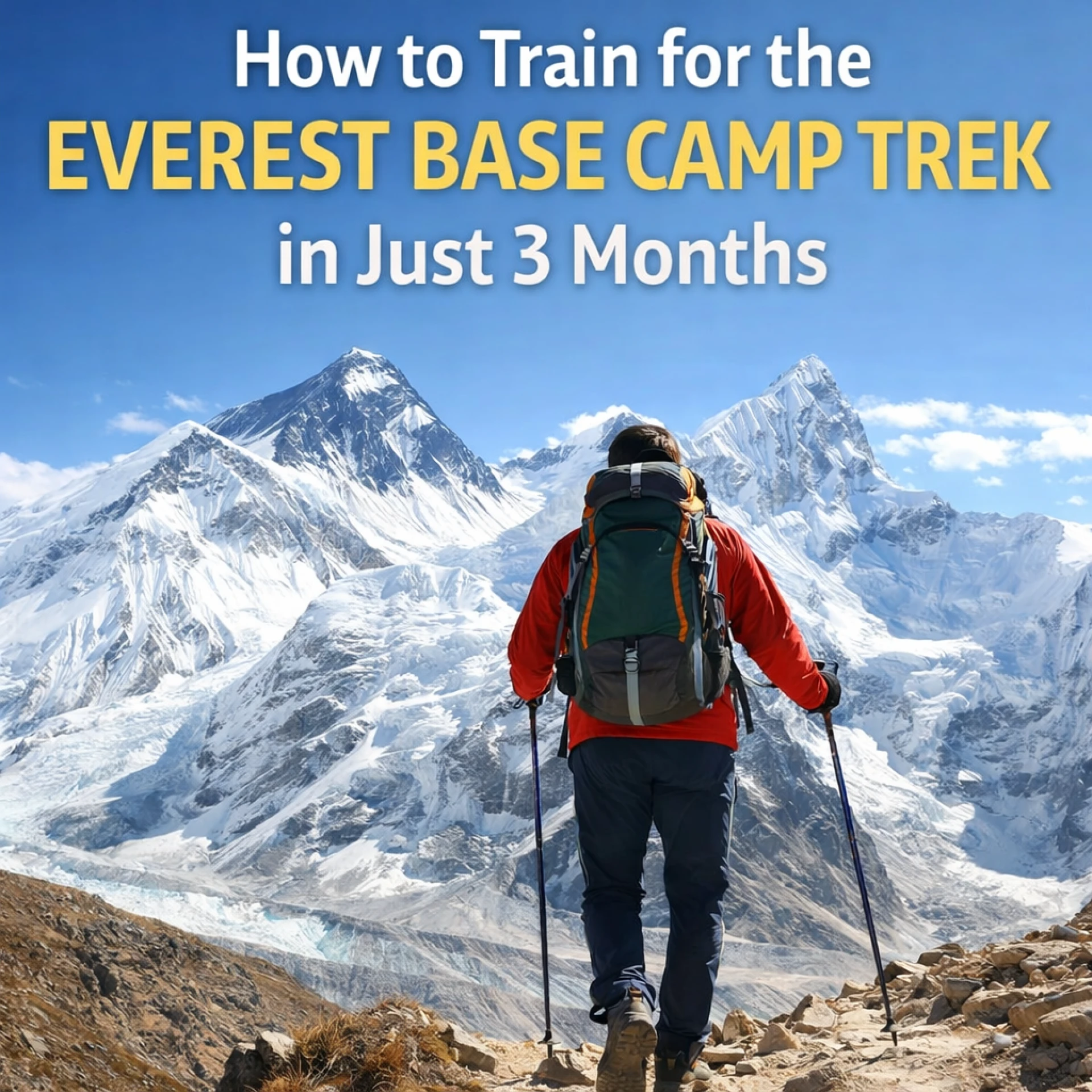
Embark on the iconic Everest Base Camp trek for an awe-inspiring journey to the world's highest peak. Highlights include:
- Spectacular Scenery: Traverse through picturesque villages with panoramic views of Everest and neighboring peaks.
- Cultural Encounters: Interact with Sherpa communities and learn about their rich traditions.
- Challenging Yet Rewarding: Experience the thrill of reaching the base camp, a testament to your determination.
Annapurna Circuit Trek
Explore the Annapurna region, known for its diverse landscapes and cultural attractions. Maximize your experience with these tips:
- Acclimatization: Gradually ascend to higher altitudes to acclimatize and reduce the risk of altitude sickness.
- Must-See Attractions: Visit the Thorong La Pass, Muktinath Temple, and charming villages along the circuit.
- Teahouse Accommodations: Experience the warmth of Nepali hospitality in cozy tea houses along the route.
Langtang Valley Trek
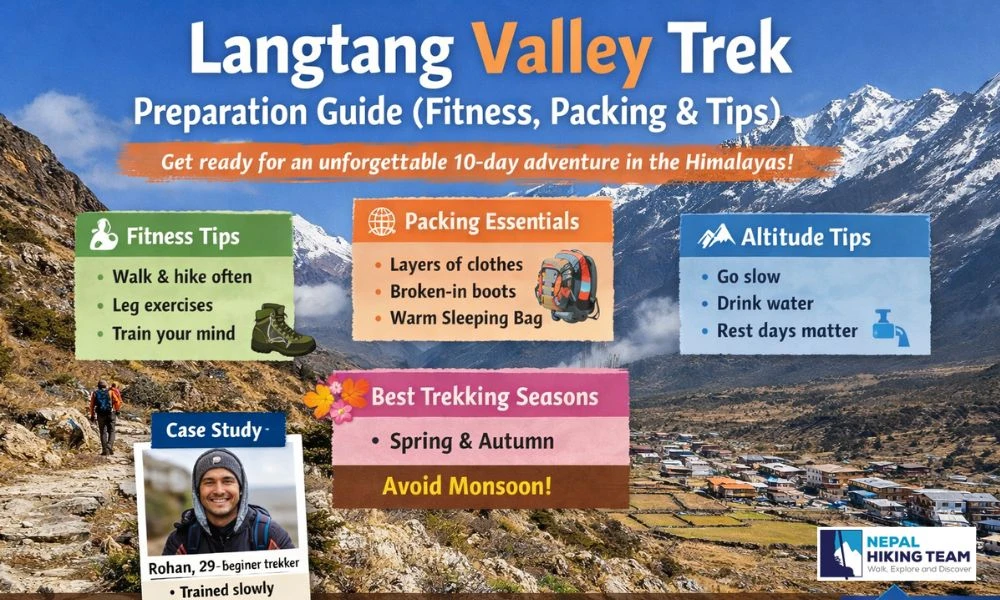
Discover the lesser-known gem of Langtang Valley, offering a unique blend of nature and culture:
- Cultural Riches: Interact with the Tamang community and witness their vibrant traditions.
- Varied Terrain: Navigate through dense forests, alpine meadows, and high mountain passes.
- Moderate Difficulty: Ideal for trekkers seeking a rewarding challenge without the extreme altitude.
Above are the Best Hiking Places in Nepal. Choose them to trek in Nepal for a better experience.
Section 3: Demystifying Nepal Trekking Permits
Understanding the Basics
Navigate the permit system in Nepal by understanding the basics:
- Types of Permits: National Park, Conservation Area, and Restricted Area permits.
- Purpose: Conservation efforts, safety, and monitoring trekker movements.
Obtaining the TIMS Card
Ensure a smooth trek by obtaining the Trekkers' Information Management System card:
Visit the TIMS Office: Find the nearest office and submit the required documents. Fee Payment: Pay the applicable fee for the TIMS card. Importance of TIMS: Enhance safety by providing essential trekker information for emergencies.National Park and Conservation Area Permits
Navigate the specifics of obtaining permits for specific trekking regions:
- Breakdown of Permits: Understand the permits required for your chosen trek.
- Application Process: Follow the designated process, including necessary documentation.
- Associated Fees: Budget accordingly for the permit fees, contributing to conservation efforts.
Acquire Nepal Trekking Permits for hassle free trekking.
Section 4: Tips for a Safe and Enjoyable Trek
Altitude Sickness Prevention
Prioritize your health and safety by recognizing symptoms and taking precautionary measures:
- Symptoms: Headache, nausea, fatigue – be aware and seek medical help if needed.
- Acclimatization: Plan rest days to acclimatize and allow your body to adjust to higher altitudes.
Responsible Trekking Practices
Contribute to the preservation of Nepal's natural and cultural treasures:
- Leave-No-Trace Principles: Minimize your environmental impact by packing out waste and respecting local flora and fauna.
- Cultural Sensitivity: Respect local customs, traditions, and sacred sites.
- Community Interaction: Engage with local communities responsibly, fostering positive relationships.
Conclusion:
In conclusion, embarking on a trek in Nepal is a transformative experience that requires meticulous planning and preparation. Recap the key points:
- Choose Wisely: Select a trek that aligns with your preferences and fitness level.
- Gear Up: Ensure you have the necessary gear and are physically conditioned for the journey.
- Explore the Best: Discover the beauty of Everest Base Camp, Annapurna Circuit, and Langtang Valley.
- Navigate Permits: Understand and obtain the required permits for a hassle-free trek.
- Prioritize Safety: Prevent altitude sickness, embrace responsible trekking practices, and enjoy the journey.
Embark on your Himalayan adventure with Nepal Hiking Team with confidence and respect for the awe-inspiring landscapes and communities that make Nepal a trekker's paradise.









Sign in to leave a comment.