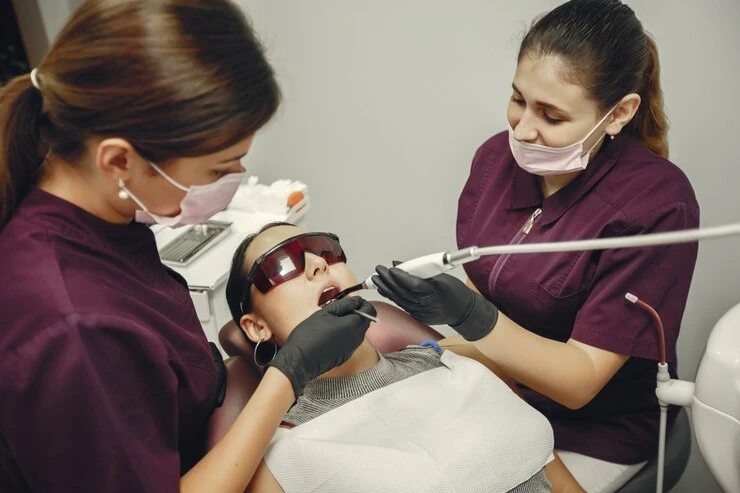

Maintaining oral health is vital for overall wellbeing, yet regular dental check-ups are often overlooked. These routine appointments are not just about cleaning teeth—they play a pivotal role in preventing a wide range of dental and general health issues. From early childhood through to later life, oral health checks are a fundamental part of staying healthy.
The Role of Oral Health Checks
Oral health checks, typically carried out by a dentist or dental hygienist, go beyond examining teeth for cavities. They encompass assessments of the gums, tongue, soft tissues, jaw function, and even signs of oral cancers or systemic conditions that present symptoms in the mouth. These routine evaluations allow dental professionals to detect problems early, when treatment is often simpler and more cost-effective.
Oral health is linked to many other aspects of health, including cardiovascular disease, diabetes, respiratory infections, and even complications during pregnancy. Identifying and managing dental issues early can help reduce the risk of these broader health concerns.
Starting Early: Children’s Oral Health
Oral health checks should begin when a child’s first teeth appear. Early visits help children become comfortable with the dental environment and allow for the monitoring of tooth development and jaw alignment. Dentists can also offer guidance to parents on teething, thumb-sucking, and proper brushing techniques.
Preventive care at this stage includes fluoride application and the application of fissure sealants on molars to reduce the risk of decay. Instilling good oral health habits early makes it more likely that children will carry them into adulthood.
Adolescents and Teenagers: Forming Lifelong Habits
During adolescence, changes in hormones, diet, and lifestyle can impact oral health. Teenagers are often more prone to sugary snacks and beverages, increasing their risk of cavities and gum problems. Orthodontic treatments such as braces are common at this age, requiring extra care to maintain oral hygiene.
Oral health checks at this stage can help identify signs of wisdom teeth development, early gum disease, or poor dental habits. Dentists can also use these visits to reinforce the importance of routine care, healthy food choices, and avoidance of tobacco or vaping products, which can severely harm oral tissues.
Adults: Maintaining Healthy Smiles
In adulthood, consistent oral health checks remain essential. Adults may assume their oral health is stable if they’re not in pain, but many dental issues develop silently. Regular visits help monitor for decay, worn enamel, gum disease, and early signs of oral cancers.
Gum disease is especially common in adults and can progress unnoticed. Left untreated, it can lead to tooth loss and is associated with systemic conditions such as heart disease and diabetes. Routine oral health assessments can keep such problems in check, ensuring timely intervention if necessary.
Moreover, adults face challenges such as dental erosion from acidic foods and drinks, bruxism (teeth grinding), or damage from sports and accidents. Dentists can offer solutions, from mouthguards to restorative treatments, tailored to each person’s needs.
Older Adults: Addressing Ageing-Related Changes
Oral health is often compromised in older adults due to natural ageing processes, medications, or chronic health conditions. Dry mouth, a common side effect of many medicines, increases the risk of tooth decay and infections. Gum recession and tooth sensitivity can also become more prominent.
Oral health checks in later years can help identify problems such as denture fit issues, gum disease, or oral cancers. Even if a person no longer has natural teeth, routine checks are still necessary to monitor the soft tissues, jaw function, and any prosthetic appliances.
Dentists can provide guidance on proper cleaning techniques for dentures or implants and help manage oral health alongside other medical conditions. This holistic care approach ensures comfort, functionality, and confidence in everyday activities like eating and speaking.
The Preventive Power of Routine Checks
Preventive dentistry is one of the main advantages of regular oral health checks. Early detection of issues like enamel wear, cavities, or gum inflammation allows for minimally invasive treatments, reducing the need for complex procedures later on.
Preventive care also includes professional cleaning to remove plaque and tartar build-up, which daily brushing and flossing may miss. These cleanings not only freshen breath but also help maintain healthy gums and reduce the risk of periodontal disease.
Patients also benefit from ongoing oral health education. Dentists provide tailored advice on brushing techniques, flossing, diet choices, and lifestyle habits, which can make a significant difference in maintaining a healthy mouth over the years.
Oral Health and Lifestyle Factors
Lifestyle choices play a substantial role in oral health. Smoking, excessive alcohol consumption, high sugar intake, and poor oral hygiene habits all contribute to the deterioration of oral tissues and the development of diseases. Oral health checks serve as valuable opportunities to receive counselling and support to reduce or eliminate these risks.
Additionally, with the increasing popularity of cosmetic dentistry—such as whitening or veneers—oral health checks ensure that underlying dental health is not overlooked in the pursuit of aesthetics. A strong foundation of oral health is crucial for any cosmetic or restorative procedures to be successful and long-lasting.
Making Oral Health a Lifelong Priority
Despite the clear benefits, many people only visit a dentist when in pain. Making oral health checks a regular part of one’s healthcare routine can help prevent pain, preserve natural teeth, and avoid costly treatments. Dental professionals recommend check-ups at least twice a year, although individual needs may vary depending on age, medical history, and risk factors.
Access to oral health care has become more convenient, with many practices offering flexible appointments and reminder systems. There is also growing awareness about the importance of oral health in schools, workplaces, and care homes—emphasising the need to prioritise dental visits at every stage of life.
Investing in oral health isn’t just about having a bright smile—it’s about ensuring a better quality of life. By making routine oral health checks a habit, individuals can enjoy healthier teeth, gums, and greater overall wellbeing through every decade of life.










Sign in to leave a comment.