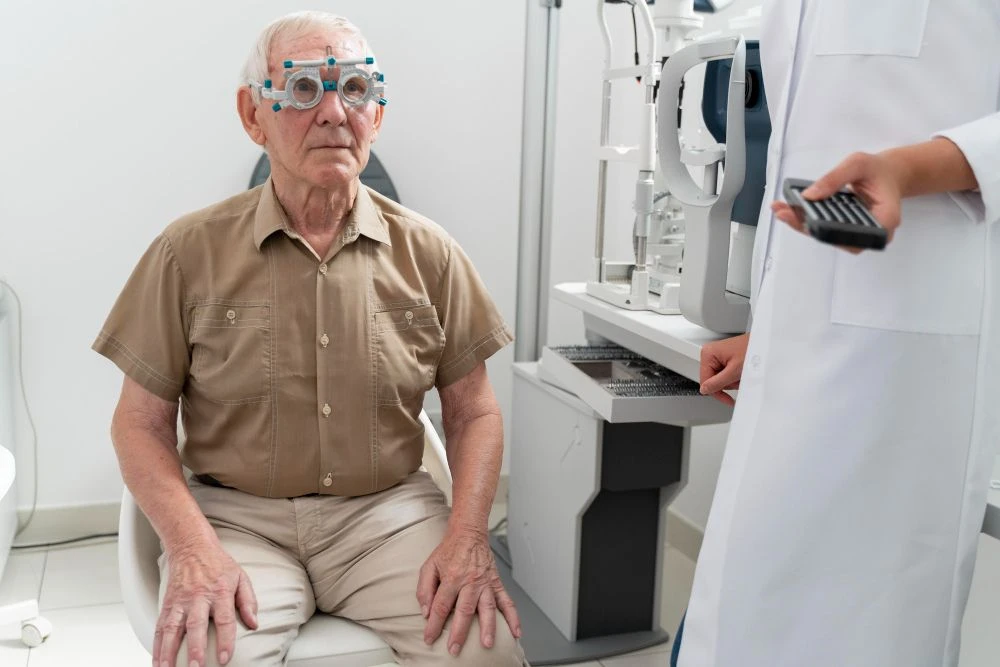

PDR proliferative diabetic retinopathy is a serious eye condition that affects individuals with diabetes. It is an advanced stage of diabetic retinopathy, a complication of diabetes that damages the blood vessels in the retina, the light-sensitive layer at the back of the eye. If left untreated, PDR proliferative diabetic retinopathy can lead to severe vision loss or even blindness. This guide aims to provide patients with a comprehensive understanding of PDR proliferative diabetic retinopathy, including its causes, symptoms, diagnosis, treatment options, and lifestyle management strategies.
Understanding Diabetic Retinopathy and Its Progression
Diabetic retinopathy develops when high blood sugar levels damage the tiny blood vessels in the retina. Over time, these vessels may leak fluid or blood, impairing vision. Diabetic retinopathy progresses through stages, with PDR proliferative diabetic retinopathy being the most severe. In this stage, abnormal blood vessels (neovascularization) grow on the retina or optic disc, potentially causing complications like retinal detachment or severe hemorrhages.
PDR proliferative diabetic retinopathy typically develops in individuals with poorly controlled diabetes, whether type 1 or type 2. The longer a person has diabetes and the less controlled their blood sugar, the higher their risk of developing PDR proliferative diabetic retinopathy. According to the American Academy of Ophthalmology, approximately 1 in 15 people with diabetes will develop PDR proliferative diabetic retinopathy over time, emphasizing the importance of early detection and management.
Causes and Risk Factors of PDR Proliferative Diabetic Retinopathy
The primary cause of PDR proliferative diabetic retinopathy is prolonged exposure to high blood sugar levels, which weaken and damage retinal blood vessels. Several risk factors increase the likelihood of developing this condition:
- Duration of Diabetes: The longer you have diabetes, the greater the risk of PDR proliferative diabetic retinopathy.
- Poor Blood Sugar Control: Consistently high blood glucose levels accelerate retinal damage.
- High Blood Pressure: Hypertension can exacerbate blood vessel damage in the retina.
- High Cholesterol: Elevated lipid levels contribute to vascular complications.
- Kidney Disease: Diabetic nephropathy often correlates with retinopathy progression.
- Pregnancy: Pregnant women with diabetes may experience worsening retinopathy.
By addressing these risk factors, patients can reduce their chances of developing PDR proliferative diabetic retinopathy or slow its progression.
Symptoms of PDR Proliferative Diabetic Retinopathy
PDR proliferative diabetic retinopathy may not cause noticeable symptoms in its early stages, which makes regular eye screenings critical for diabetic patients. As the condition progresses, symptoms may include:
- Blurred or Distorted Vision: Caused by swelling (edema) in the retina or abnormal blood vessel growth.
- Floaters: Dark spots or strings in your field of vision, often due to bleeding in the eye.
- Difficulty Seeing at Night: Impaired night vision is a common complaint.
- Sudden Vision Loss: Severe hemorrhages or retinal detachment can cause rapid vision decline.
- Color Vision Changes: Colors may appear faded or washed out.
If you experience any of these symptoms, consult an eye care specialist immediately, as they may indicate advanced PDR proliferative diabetic retinopathy requiring urgent treatment.
Diagnosing PDR Proliferative Diabetic Retinopathy
Early diagnosis of PDR proliferative diabetic retinopathy is essential to prevent vision loss. Eye care professionals use several diagnostic tools to identify and assess the severity of the condition:
- Dilated Eye Exam: The doctor uses eye drops to dilate your pupils, allowing a detailed examination of the retina for signs of abnormal blood vessels or hemorrhages.
- Fundus Photography: High-resolution images of the retina help track changes over time.
- Fluorescein Angiography: A dye is injected into your bloodstream to highlight leaking or abnormal blood vessels in the retina.
- Optical Coherence Tomography (OCT): This imaging test provides detailed cross-sectional images of the retina, revealing swelling or fluid buildup.
Regular eye exams, at least annually or as recommended by your doctor, are crucial for detecting PDR proliferative diabetic retinopathy before it causes irreversible damage.
Treatment Options for PDR Proliferative Diabetic Retinopathy
Treating PDR proliferative diabetic retinopathy aims to halt the progression of abnormal blood vessel growth and preserve vision. Treatment options include:
1. Laser Treatment (Panretinal Photocoagulation)
This procedure uses a laser to create small burns on the retina, reducing the growth of abnormal blood vessels. It is effective in stabilizing PDR proliferative diabetic retinopathy but may cause side effects like reduced peripheral or night vision.
2. Anti-VEGF Injections
Medications like ranibizumab or aflibercept are injected into the eye to block vascular endothelial growth factor (VEGF), a protein that promotes abnormal blood vessel growth. These injections can reduce swelling and prevent further damage in PDR proliferative diabetic retinopathy.
3. Vitrectomy
In advanced cases, where bleeding or scar tissue causes retinal detachment, a vitrectomy may be performed. This surgical procedure removes blood, fluid, or scar tissue from the vitreous (the gel-like substance in the eye) to restore vision.
4. Managing Underlying Diabetes
Controlling blood sugar, blood pressure, and cholesterol levels is critical to slow the progression of PDR proliferative diabetic retinopathy. Work with your healthcare team to optimize your diabetes management plan.
5. Corticosteroids
In some cases, corticosteroid injections or implants are used to reduce retinal swelling, particularly when anti-VEGF treatments are insufficient.
Your eye care specialist will recommend the most appropriate treatment based on the severity of your PDR proliferative diabetic retinopathy and your overall health.
Lifestyle Changes to Manage PDR Proliferative Diabetic Retinopathy
While medical treatments are essential, lifestyle changes play a significant role in managing PDR proliferative diabetic retinopathy and preventing further complications:
- Monitor Blood Sugar Levels: Use a glucometer to track your glucose levels regularly and aim for target ranges set by your doctor.
- Follow a Balanced Diet: Choose foods low in refined sugars and high in fiber, such as vegetables, whole grains, and lean proteins, to stabilize blood sugar.
- Exercise Regularly: Engage in moderate physical activity, like walking or swimming, for at least 150 minutes per week, as approved by your healthcare provider.
- Manage Blood Pressure and Cholesterol: Take prescribed medications and adopt heart-healthy habits, such as reducing salt intake and quitting smoking.
- Attend Regular Eye Exams: Schedule annual or more frequent eye checkups to monitor for signs of PDR proliferative diabetic retinopathy.
- Quit Smoking: Smoking worsens vascular damage, so seek support to quit if necessary.
By incorporating these habits, you can support your overall health and reduce the impact of PDR proliferative diabetic retinopathy.
Coping with Vision Changes
Living with PDR proliferative diabetic retinopathy can be challenging, especially if vision loss occurs. Here are some strategies to cope:
- Low Vision Aids: Magnifiers, large-print books, or screen-reading software can help with daily tasks.
- Support Groups: Connecting with others who have diabetic retinopathy can provide emotional support and practical tips.
- Vision Rehabilitation: Work with a specialist to learn adaptive techniques for managing daily activities with reduced vision.
- Mental Health Support: Consult a counselor or therapist if you feel anxious or depressed about your condition.
Preventing PDR Proliferative Diabetic Retinopathy
Prevention is the best approach to managing PDR proliferative diabetic retinopathy. Key preventive measures include:
- Tight Blood Sugar Control: Maintain HbA1c levels below 7% (or as recommended by your doctor) to reduce retinal damage.
- Regular Health Checkups: Monitor blood pressure, cholesterol, and kidney function to address risk factors early.
- Early Intervention: Treat early-stage diabetic retinopathy before it progresses to PDR proliferative diabetic retinopathy.
- Educate Yourself: Learn about diabetes and its complications to stay proactive in your care.
When to Seek Immediate Medical Attention
PDR proliferative diabetic retinopathy can lead to sudden complications that require urgent care. Contact your doctor immediately if you experience:
- Sudden vision loss or blackouts.
- A significant increase in floaters or flashes of light.
- Severe eye pain or pressure.
- A curtain-like shadow across your field of vision.
These symptoms may indicate serious complications like vitreous hemorrhage or retinal detachment, which need prompt treatment to prevent permanent vision loss.
Conclusion
PDR proliferative diabetic retinopathy is a serious but manageable condition with the right approach. By understanding its causes, recognizing symptoms, seeking timely diagnosis, and adhering to treatment and lifestyle recommendations, patients can protect their vision and maintain their quality of life. Regular communication with your healthcare team, including your endocrinologist and eye care specialist, is essential for managing PDR proliferative diabetic retinopathy effectively. Stay proactive, prioritize your health, and take steps to prevent or control this condition to safeguard your eyesight for the future.














Sign in to leave a comment.