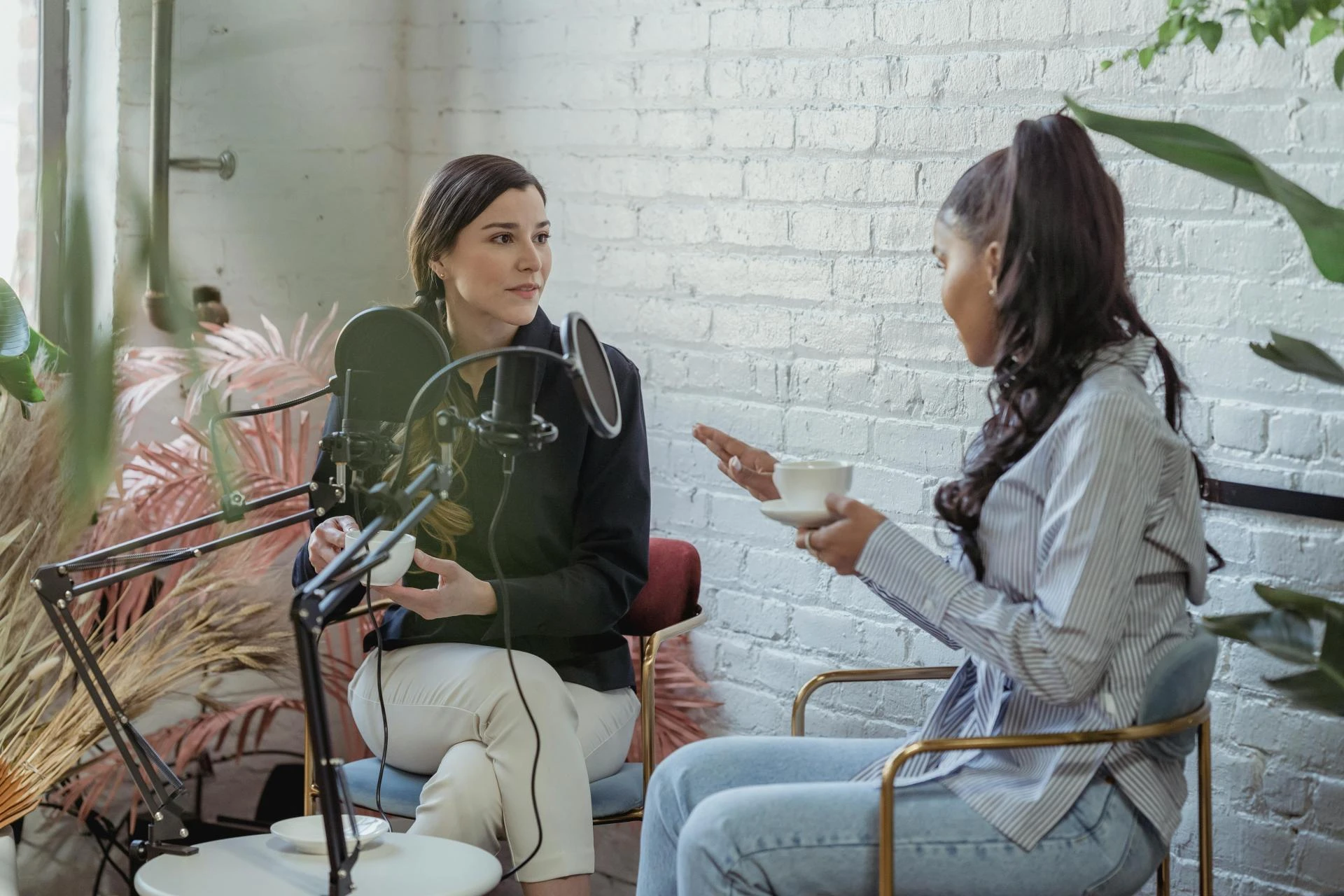

Learning how the brain works is no longer limited to classrooms, clinics, or textbooks. Audio education has made neuroscience, psychology, and mental well‑being more accessible to people at different stages of life and across many roles. Whether someone is studying, supporting a loved one, or working in a demanding profession, podcasts offer an easy way to build understanding without adding pressure to an already busy schedule.
What makes this format especially valuable is its flexibility. Episodes can be consumed while commuting, exercising, or winding down, allowing listeners to engage with complex ideas in a relaxed and practical way. Over time, consistent listening can strengthen awareness, empathy, and informed decision‑making related to mental and cognitive health.
How Students Benefit from Brain‑Focused Audio Learning
For students, understanding how the brain processes information can directly improve learning outcomes. Many shows explain topics such as attention, memory formation, motivation, and stress in clear, relatable language. These insights help students recognize why certain study techniques work better than others and how sleep, nutrition, and breaks affect academic performance.
Listening to discussions about cognitive development can also reduce anxiety. When students learn that difficulty focusing or remembering material is often linked to brain processes rather than personal shortcomings, self‑confidence tends to improve. This knowledge encourages healthier study habits and a more compassionate approach to personal challenges.
Podcasts also expose students to career paths in neuroscience, psychology, and healthcare, helping them connect academic subjects to real‑world applications.
Supportive Insights for Caregivers
Caregivers often shoulder emotional, physical, and mental responsibilities that can feel overwhelming. Audio content focused on brain function and behaviour can help caregivers better understand the needs of those they support, whether they are caring for children, aging parents, or individuals with cognitive or neurological conditions.
Episodes frequently address topics such as memory loss, emotional regulation, behavioural changes, and the effects of stress on the nervous system. This context allows caregivers to respond with greater patience and empathy rather than frustration. Importantly, many shows also discuss caregiver burnout and self‑care, reinforcing the idea that supporting one’s own mental health is not optional but essential.
In this context, podcasts about the brain serve as both an educational tool and a source of reassurance, reminding caregivers that many challenges are rooted in biology and are not personal failures.
Practical Value for Professionals in Demanding Roles
Professionals across industries are increasingly interested in how cognitive science can improve performance, communication, and well‑being. Podcasts aimed at this audience often explore focus, decision‑making, emotional intelligence, and stress management through a neuroscience lens.
For leaders and managers, understanding how the brain responds to pressure, feedback, and uncertainty can lead to more effective team dynamics. For healthcare workers, educators, and social service professionals, these insights support better interactions with clients and patients while reducing emotional exhaustion.
Short, targeted episodes fit well into busy schedules, making it easier for professionals to apply small changes that improve clarity, resilience, and productivity over time.
Shared Themes That Connect All Audiences
Despite serving different groups, many brain‑focused podcasts share common themes. One is the emphasis on prevention rather than reaction. Listeners are encouraged to adopt daily habits that protect cognitive health before problems escalate. Another shared theme is normalization. By explaining how common brain processes influence behavior, these shows reduce stigma around mental health challenges.
Storytelling also plays a major role. Real‑life examples help listeners connect abstract concepts to everyday situations, making the information more memorable and actionable. This approach benefits students, caregivers, and professionals alike by turning theory into practical understanding.
Over time, these shared themes create a foundation of knowledge that supports better choices across education, care, and work environments.
Choosing the Right Podcast for Your Needs
Selecting the right content depends on your goals and current responsibilities. Students may prefer shorter episodes focused on learning strategies, while caregivers might look for compassionate discussions around behavior and emotional health. Professionals often benefit from podcasts that balance scientific depth with practical application.
It is also important to pay attention to tone. A calm, clear delivery supports understanding and reduces mental fatigue. Consistency matters more than volume, so choosing one or two trusted shows is often more effective than sampling many without focus.
By aligning content with listeners' needs, you are more likely to keep them engaged and apply what they learn.
Conclusion
Audio education has created a powerful bridge between neuroscience and everyday life. By making complex ideas approachable, podcasts help students learn more effectively, caregivers respond with empathy, and professionals perform with greater clarity and balance.
Across all these roles, understanding the brain fosters patience, resilience, and informed action. With thoughtful listening, podcasts become more than background noise; they become a practical resource for navigating learning, care, and work with greater confidence and awareness.













Sign in to leave a comment.