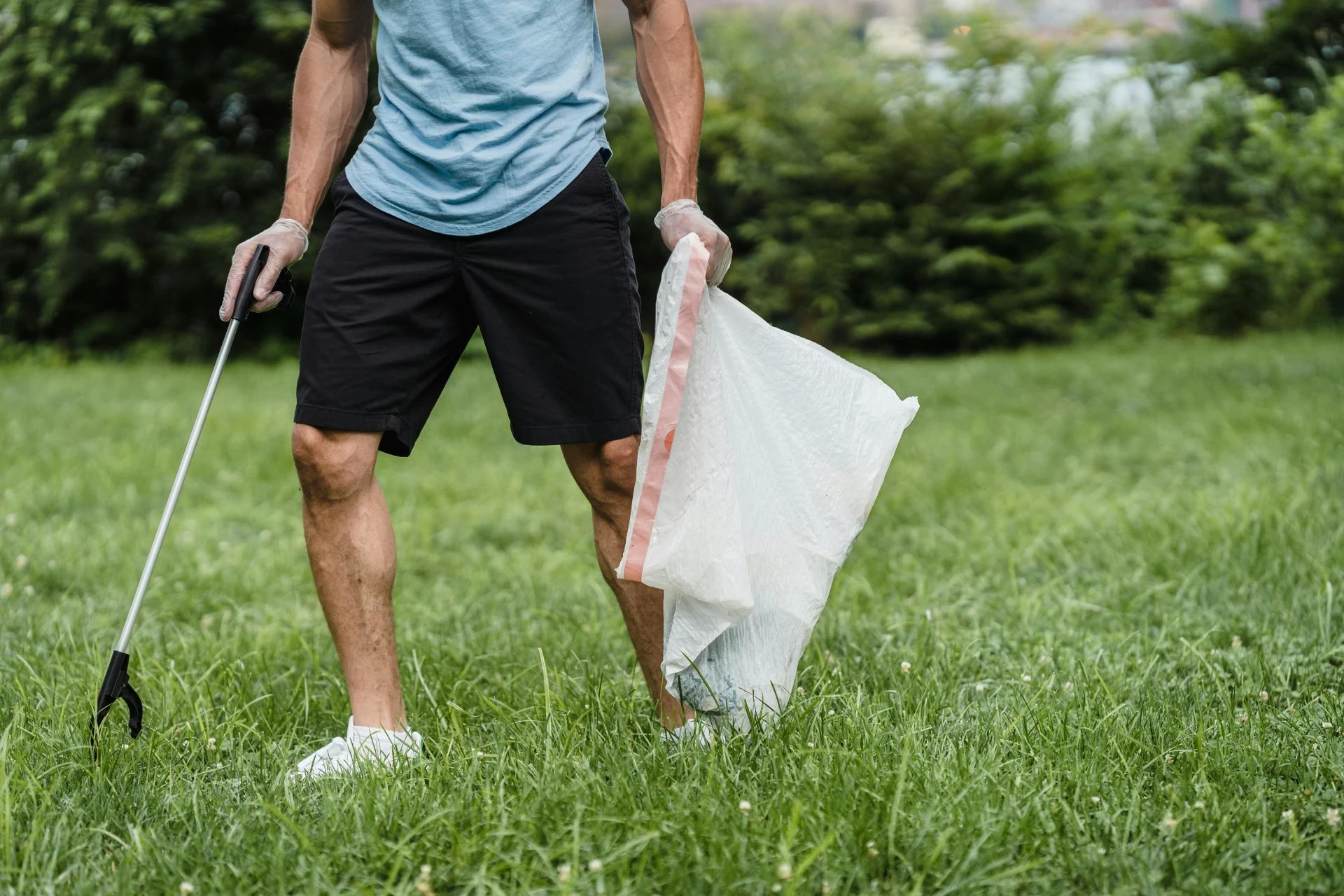

A healthy yard does not happen by chance. Behind every lush lawn and thriving landscape is consistent care, proper timing, and an understanding of how soil, grass, and climate work together. While many homeowners handle basic maintenance themselves, long-term yard health often depends on professional expertise. Strategic care protects your lawn from gradual decline, seasonal stress, and costly damage that can take years to reverse.
Building a Strong Foundation Through Soil Care
Healthy grass starts below the surface. Soil condition directly affects root growth, nutrient absorption, and water retention. Over time, soil can become compacted due to foot traffic, weather, and routine use, limiting airflow and preventing roots from spreading properly. Poor soil structure often leads to thin turf, pooling water, and increased vulnerability to disease.
Professional lawn care services focus on improving soil health through techniques such as aeration, pH balancing, and organic matter enhancement. Aeration loosens compacted soil and allows oxygen, water, and nutrients to reach the roots more effectively. When soil conditions are optimized, grass develops deeper roots that help the lawn withstand drought, temperature fluctuations, and everyday wear.
Preventing Weeds and Pests Before They Spread
Weeds and pests are not just cosmetic issues. They compete with grass for nutrients, damage root systems, and can spread rapidly if left unchecked. Once an infestation becomes visible, the lawn may already be under significant stress.
A long-term care plan emphasizes prevention rather than reaction. Scheduled treatments, proper mowing height, and seasonal monitoring reduce the chances of invasive plants and insects taking hold. Professionals are trained to identify early warning signs that most homeowners miss, allowing problems to be addressed before they become widespread. Preventive care saves time, protects turf density, and avoids the need for aggressive corrective treatments later.
Supporting Consistent Growth Throughout the Seasons
Grass does not grow the same way year-round. Each season brings different challenges, from heat stress in summer to nutrient depletion in winter. Applying the same routine across all months can weaken the lawn over time, even if it looks acceptable in the short term.
A structured care program adjusts techniques based on seasonal needs. Fertilization schedules are timed to promote steady growth without overstimulation. Mowing practices are adjusted to protect grass during extreme temperatures. Overseeding is planned to fill in thin areas and maintain density. These seasonal adjustments support balanced growth, helping the lawn remain resilient rather than overworked.
Reducing Long-Term Maintenance Costs
Neglect often leads to expensive repairs. Bare patches, soil erosion, and disease outbreaks usually require intensive restoration efforts that cost far more than routine upkeep. Long-term lawn health is more affordable when problems are prevented instead of repaired.
Professional maintenance spreads care evenly over time, reducing sudden expenses. Healthy lawns also require less water, fewer chemical treatments, and less frequent corrective work. By maintaining consistent standards, homeowners avoid the cycle of decline and recovery that drains both time and money.
Enhancing Property Value and Outdoor Enjoyment
A well-maintained yard contributes to more than appearance. It improves drainage around the home, reduces dust and mud, and creates a comfortable space for relaxation and outdoor activities. Healthy grass also supports surrounding plants and trees, contributing to a balanced landscape ecosystem.
From a financial perspective, a thriving lawn enhances curb appeal and property value. Buyers often associate a well-kept yard with overall home care, making it an important factor in real estate perception. From a personal perspective, a healthy yard is simply more enjoyable to use, requiring less effort to keep it looking its best.
Conclusion
Long-term yard health depends on informed decisions, consistent care, and attention to details that are easy to overlook. By focusing on soil health, prevention, seasonal balance, and proactive maintenance, homeowners can protect their lawns from gradual decline. Professional care is not just about appearance. It is about building a resilient, sustainable yard that remains healthy year after year.









Sign in to leave a comment.