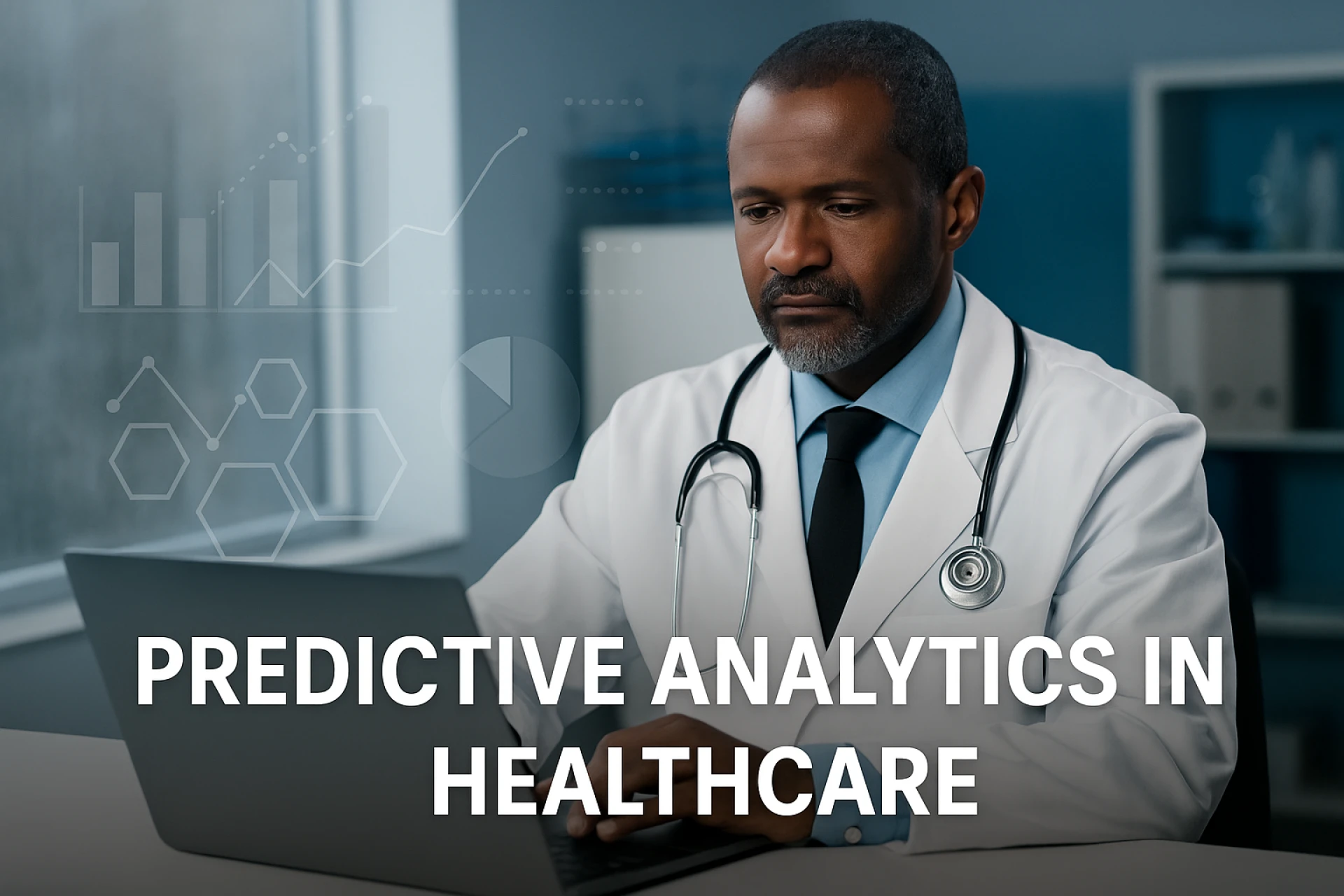

In today’s digitally transforming healthcare landscape, data is one of the most powerful tools we have, not just for diagnosis and treatment, but for forecasting and prevention. Predictive analytics in healthcare enables providers to transform massive volumes of patient data into actionable insights, reshaping how care is delivered.
With mounting pressure on healthcare systems to improve patient outcomes while reducing costs, predictive analytics is no longer a future concept—it's an industry imperative.
The Growing Demand for Predictive Analytics in Healthcare
The global healthcare industry generates approximately 30% of the world’s data. Yet most healthcare organizations struggle to derive real-time, actionable insights from this data. That's where predictive analytics offers game-changing potential.
According to a report by MarketsandMarkets, the predictive analytics market in healthcare is projected to reach $28 billion by 2027, up from $8.5 billion in 2021. The rise of Electronic Health Records (EHR), real-time patient monitoring, and wearable health tech has made it possible to train AI-driven models that can forecast everything from disease progression to staffing shortages.
How Predictive Analytics Works in Healthcare
At its core, predictive analytics applies statistical algorithms, machine learning models, and real-time data processing to historical health data to forecast future outcomes.
The process generally includes:
- Data Collection: Pulling structured and unstructured data from EHRs, wearables, billing systems, and IoT health devices.
- Data Cleaning & Integration: Removing anomalies and aligning data across multiple sources.
- Model Training: Building models using supervised learning algorithms like logistic regression, decision trees, or neural networks.
- Prediction & Evaluation: Applying models to real-time data for actionable predictions.
- Clinical Deployment: Integrating insights into healthcare workflows via dashboards or decision-support tools.
Use Cases of Predictive Analytics in Healthcare
1. Predicting Patient Readmissions
Hospitals can identify patients at high risk of readmission post-discharge and intervene early. Factors such as past diagnoses, discharge instructions, and social determinants of health are fed into predictive models.
2. Early Detection of Chronic Diseases
Machine learning models can detect patterns in blood pressure, glucose levels, and lifestyle data, flagging early indicators of conditions like diabetes, heart disease, or cancer.
3. Optimizing Hospital Operations
Hospitals use predictive analytics for bed occupancy forecasting, emergency room demand prediction, and staff allocation, improving overall operational efficiency.
4. Personalized Treatment Plans
By analyzing genetic data, drug responses, and patient history, providers can create highly personalized treatment pathways, improving the probability of success while minimizing side effects.
5. Fraud Detection in Claims
Predictive models can identify anomalies in billing patterns, flagging suspicious claims and preventing insurance fraud.
6. Infection Risk Prediction
Hospitals can now predict which patients are at high risk of hospital-acquired infections, allowing for timely intervention and infection control.
Technologies Powering Predictive Analytics in Healthcare
- Apache Spark & Hadoop: For large-scale data processing
- Python & R: For building machine learning models
- TensorFlow & PyTorch: Deep learning for complex pattern recognition
- Cloud Platforms (AWS, Azure, GCP): Scalable infrastructure for real-time analytics
- FHIR & HL7 Standards: Ensuring interoperability in healthcare data exchange
Challenges and Considerations
Despite its potential, predictive analytics in healthcare is not without challenges:
- Data Privacy: Healthcare data is highly sensitive, making compliance with HIPAA, GDPR, and local regulations critical.
- Bias in Models: Algorithms trained on biased datasets can lead to skewed outcomes, especially for underrepresented groups.
- Integration with Clinical Workflows: Predictive insights are only useful if seamlessly integrated into clinician decision-making tools.
- Data Quality: Incomplete or inconsistent records can degrade model performance.
Real-World Success Story
A U.S. hospital implemented a predictive analytics system to monitor high-risk patients for potential sepsis. Within 12 months, mortality rates were reduced by 22%, and ICU admissions dropped significantly, thanks to earlier intervention based on model predictions.
Another example: the Mayo Clinic uses machine learning to predict sudden cardiac arrest among ICU patients. Their models can forecast a high-risk episode up to 6 hours in advance, providing precious lead time for intervention.
Why Healthcare Organizations Need to Invest Now
With regulatory changes like the 21st Century Cures Act pushing for interoperability and data-driven care, the timing has never been better. Moreover, as value-based care models gain traction, outcomes—and not just services rendered—will dictate reimbursement. Predictive analytics directly supports this transition.
Organizations that hesitate risk falling behind competitors who are already leveraging analytics for both clinical and operational gains.
Final Thoughts
The healthcare sector stands at the brink of a data-driven revolution, and predictive analytics is its engine. From improving patient care to lowering operational costs, the potential is immense. But success requires more than just tools, it demands the right strategy, talent, and partners.
If your organization is exploring predictive analytics in healthcare, partnering with a tech expert like Kody Technolab can accelerate your journey. With deep expertise in AI-driven healthcare solutions, Kody Technolab helps turn raw data into decisions that save lives.









Sign in to leave a comment.