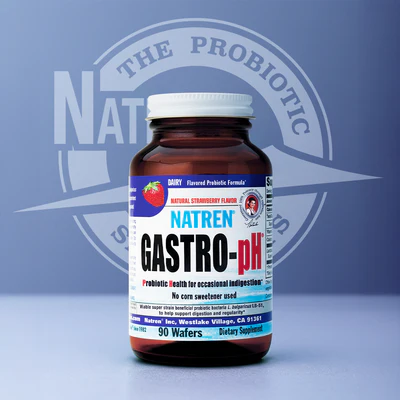

Modern lifestyles often bring mounting pressure, emotional strain, and digestive discomfort. In response, many people are turning to probiotic supplements as part of a holistic wellness routine. These beneficial microorganisms support the balance of bacteria in the digestive system while also influencing mental and emotional well-being. Understanding their broader impact can help individuals make informed decisions about their health.
Understanding the Gut-Brain Connection
The gut and brain are closely linked through a communication network often called the gut-brain axis. This system involves neural pathways, hormones, and immune responses that constantly exchange information. When the digestive tract is balanced, it can positively influence mood and cognitive function. Disruptions in gut bacteria, however, may contribute to feelings of stress and emotional imbalance.
Beneficial bacteria produce certain compounds that play a role in regulating neurotransmitters. These chemical messengers influence how we feel, think, and respond to daily challenges. When the microbial community in the gut is diverse and stable, it may help maintain emotional equilibrium. This connection explains why digestive health often mirrors mental well-being.
How Stress Impacts Digestive Health
Stress is not only a mental experience; it has physical consequences throughout the body. When stress hormones rise, digestion can slow down or become irregular. Some people notice bloating, discomfort, or changes in appetite during stressful periods. Chronic stress may also alter the balance of beneficial and harmful bacteria in the gut.
Over time, this imbalance can weaken the intestinal barrier and increase inflammation. As a result, the body may struggle to absorb nutrients efficiently. Supporting gut health during stressful times becomes especially important. By nurturing a balanced microbiome, individuals can potentially reduce the digestive effects associated with prolonged tension.
The Role of Probiotics in Mood Regulation
Certain strains of beneficial bacteria are believed to support emotional health by influencing neurotransmitter production. For example, some microorganisms assist in the synthesis of compounds that promote feelings of calm and stability. When these bacteria flourish, they may contribute to a more balanced stress response.
Additionally, a well-supported gut environment can reduce inflammatory signals that affect brain function. Inflammation has been linked to mood disturbances and fatigue. By encouraging microbial diversity, probiotic supplementation may indirectly support mental clarity and resilience during challenging periods.
Supporting a Healthy Digestive System
A balanced digestive system is essential for nutrient absorption and immune defense. Beneficial microbes help break down food, synthesize vitamins, and protect against unwanted pathogens. When the gut microbiome is diverse, it can better withstand environmental stressors such as dietary changes or occasional illness.
Probiotic supplementation may assist in restoring equilibrium after disruptions. Factors like travel, dietary shifts, or medication use can disturb microbial balance. By introducing helpful strains, individuals may promote smoother digestion and more consistent bowel patterns, contributing to overall comfort and vitality.
Choosing the Right Probiotic Supplement
Selecting a quality probiotic requires attention to several factors. Different strains offer unique benefits, and not all formulations are the same. Reading labels carefully can help identify products that specify strain information and storage requirements. Proper handling ensures the microorganisms remain viable until consumption.
It is also important to consider individual health needs. Some people seek digestive support, while others focus on mood or immune balance. Consulting a qualified healthcare professional can provide personalized guidance. Taking the time to choose wisely can maximize potential benefits and minimize unnecessary experimentation.
Integrating Probiotics into a Daily Routine
Consistency plays a significant role in supporting microbial balance. Incorporating probiotics into a regular wellness routine may encourage steady results. Some individuals prefer taking them with meals to enhance survival through the digestive tract. Establishing a daily habit can make supplementation more effective.
Pairing probiotics with a balanced diet further enhances their impact. Fiber-rich foods act as nourishment for beneficial bacteria, promoting growth and diversity. Adequate hydration, restful sleep, and stress management practices also contribute to a supportive environment for microbial health.
Natural Sources and Complementary Practices
While supplements provide targeted support, natural dietary sources can also contribute to microbial diversity. Fermented foods contain live cultures that may complement supplementation. Including a variety of plant-based foods encourages a broad spectrum of beneficial organisms to thrive in the gut.
Mindfulness practices such as meditation, breathing exercises, and gentle movement can further support gut-brain harmony. Since stress affects digestion, addressing emotional well-being is equally important. Combining lifestyle strategies with probiotic use creates a comprehensive approach to maintaining balance.
Safety and Long-Term Considerations
For most healthy individuals, probiotics are generally well tolerated. Mild digestive adjustments may occur during initial use as the body adapts. These temporary changes often subside as microbial balance improves. Paying attention to how the body responds can guide ongoing use.
Long-term success involves monitoring overall wellness rather than expecting immediate transformations. Maintaining realistic expectations helps individuals stay committed to healthy habits. By viewing probiotics as part of a broader lifestyle strategy, people can cultivate sustainable improvements in mood and digestive comfort.
Building Resilience Through Gut Health
Resilience involves the ability to adapt to stress while maintaining stability. A healthy gut microbiome contributes to this adaptability by supporting immune and neurological functions. Balanced bacteria help regulate inflammatory responses, which can influence both physical and emotional states.
When the digestive system operates efficiently, energy levels and focus may also improve. This synergy between body and mind highlights the importance of nurturing internal ecosystems. Thoughtful supplementation, combined with mindful living, can promote a sense of steadiness even in demanding environments.
A Holistic Approach to Wellness
Addressing stress, mood, and gut health requires a multifaceted strategy. Probiotic support represents one piece of a larger puzzle that includes nutrition, movement, rest, and emotional awareness. By caring for the gut, individuals may experience positive ripple effects throughout their well-being.
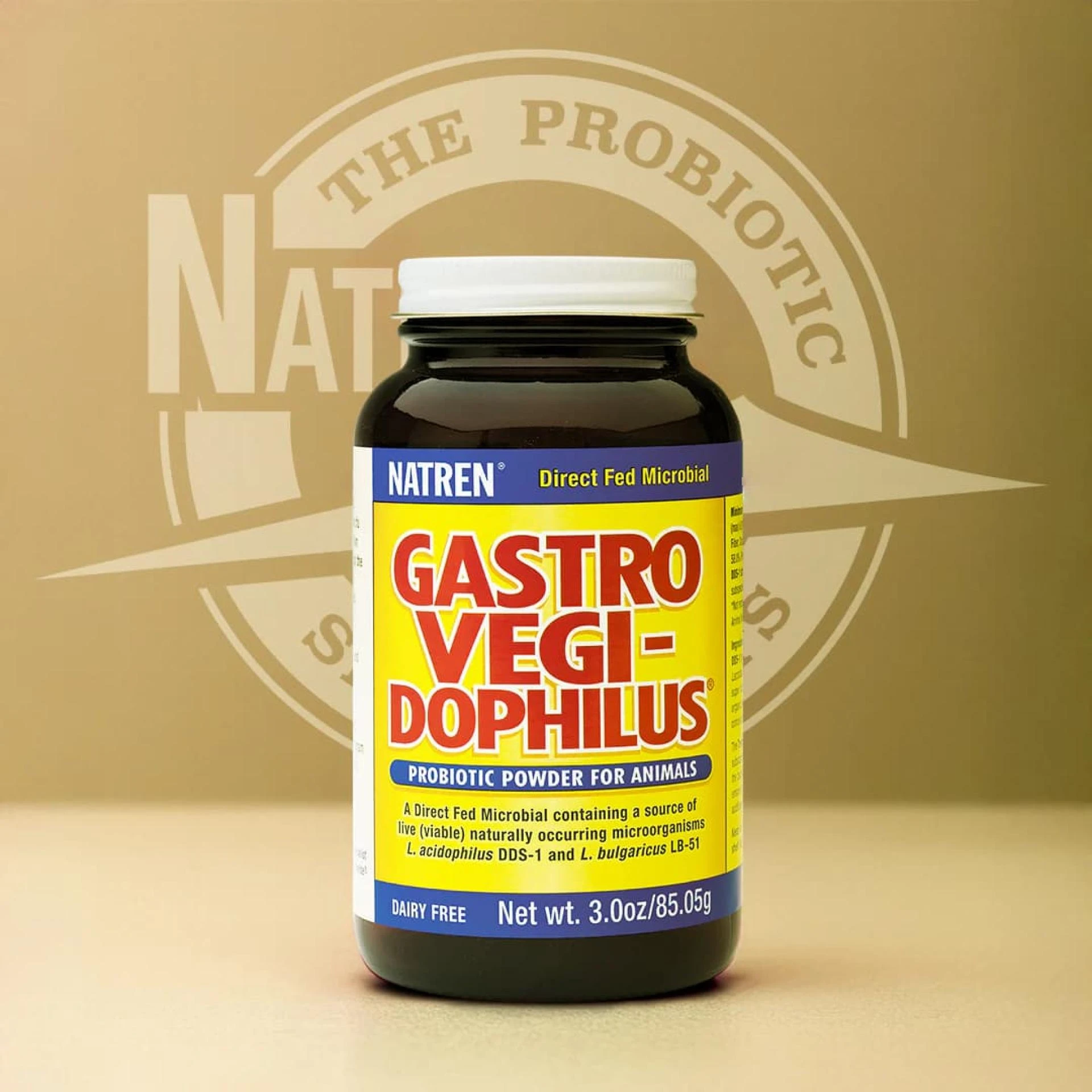
Choosing reliable products and maintaining consistent habits enhances the potential benefits of supplementation. With careful consideration and informed choices, individuals can support their digestive and emotional health journey. For those seeking dedicated expertise in this field, Natren Inc remains committed to advancing probiotic research and education.












Sign in to leave a comment.