

Ransomware attacks are becoming increasingly sophisticated, posing significant threats to businesses, individuals, and even government entities. The digital extortion landscape has evolved rapidly over the past few years, with attackers employing innovative tactics catering to a shift in technology trends and vulnerabilities.
This ransomware review examines the latest developments in these attacks, explores the heightened frequency of phishing attacks as a delivery method, and outlines protective strategies that can defend against these evolving threats. Whether you're an IT security professional or a business decision-maker, understanding these advancements is critical to safeguarding your organization's digital assets.
What is Ransomware? A Quick Overview
Ransomware is a type of malicious software designed to encrypt a victim's data, rendering it inaccessible. Cybercriminals then demand a ransom (often in cryptocurrency) in exchange for decrypting the data or restoring access. Failure to pay may result in the data being made publicly available, sold on the dark web, or permanently deleted.
The ransomware threat isn't new, but the techniques and tactics used by attackers have advanced substantially. Today, sophisticated campaigns target specific industries, leverage novel infiltration routes, and even apply "double-extortion" techniques, making protection more challenging than ever.
Key Trends in Ransomware in 2024
1. Rise of Ransomware-as-a-Service (RaaS)
Ransomware is no longer limited to skilled hackers. Ransomware-as-a-Service (RaaS) allows even novice cybercriminals to execute expertly designed attacks. This model operates like a traditional software subscription, where threat actors purchase ransomware kits developed by professional hacking groups.
Example: The infamous REvil group offered RaaS packages that included technical support and updates, making it easier for affiliates to conduct attacks without specialized skills.
2. Double-Extortion Techniques
Today's ransomware attackers are raising the stakes with double-extortion methods. Instead of just encrypting data and demanding payment, attackers also exfiltrate sensitive information. This creates two points of leverage—pay the ransom to decrypt your data, or risk having sensitive information published online.
Example: The Ragnar Locker ransomware gang employed double-extortion tactics against energy companies, threatening to release proprietary data unless a ransom was paid.
3. Targeted Attacks on Specific Industries
Ransomware campaigns are now more targeted, focusing on industries that are particularly vulnerable to downtime, such as healthcare, financial services, and critical infrastructure. These industries are often more likely to pay the ransom due to the high cost of operational disruptions.
Stat: According to a report by Sophos, 66% of healthcare organizations were hit by ransomware in the last year, a dramatic increase from 34% in 2020.
4. Phishing Attacks as a Primary Vector
Phishing remains one of the most prominent attack vectors for deploying ransomware. Cybercriminals craft increasingly convincing phishing emails that trick users into clicking malicious links or downloading harmful attachments.
Example: The Ryuk ransomware group frequently used phishing campaigns to gain initial access to enterprise systems, eventually encrypting entire networks.
5. Cryptocurrency and Anonymity
Attackers continue to favor cryptocurrency for ransom payments due to its anonymity features. Sophisticated criminals often use mixing services to obscure the ransom's final destination, making it challenging for law enforcement to trace payments.
Protecting Against Ransomware
Understanding the nuances of modern ransomware attacks is only half the battle. Implementing robust defense measures is essential for ensuring your systems and data remain secure.
1. Invest in Advanced Endpoint Protection
Modern endpoint detection and response (EDR) tools can identify suspicious activity, such as unauthorized encryption processes, in real time. These tools minimize the damage caused by ransomware by isolating the infected endpoint to prevent lateral movement across the network.
2. Employee Training Against Phishing Attacks
Human error remains one of the biggest vulnerabilities in cybersecurity. Regular phishing awareness training can significantly reduce the likelihood of employees falling victim to phishing schemes.
Tip: Use simulated phishing campaigns to test employee readiness and reinforce the importance of cautious email behavior.
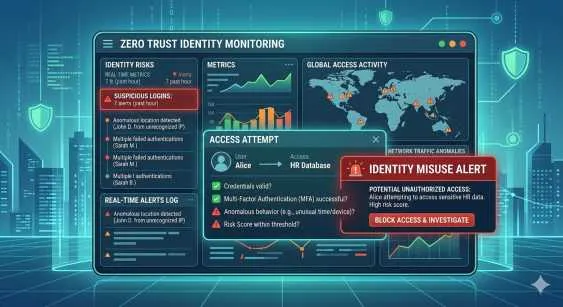
3. Adopt a Zero-Trust Security Model
Zero Trust centers around the principle of "never trust, always verify." By ensuring that every user and device attempting to access your network is continually authenticated and authorized, you limit the access cybercriminals gain if they breach your defenses.
4. Regular Data Backups
Maintaining frequent, secure backups of critical data is one of the most effective ways to mitigate the effects of ransomware. Be sure to store these backups offline or in a secure cloud environment to prevent attackers from accessing them.
Tip: Apply the 3-2-1 backup rule—keep at least three copies of your data, store them on two different types of media, and ensure one copy is offsite.
5. Implement Email Filtering Solutions
Email filtering tools are essential for detecting and blocking phishing emails before they reach end users. These solutions can scan email attachments, links, and metadata to identify potential threats.
6. Patch and Update Regularly
Outdated software is a hacker's playground. Patch known vulnerabilities promptly to prevent exploitation, ensuring all systems, applications, and firmware are up to date.
7. Incident Response Planning
Finally, a well-documented incident response plan ensures your organization can quickly contain and neutralize ransomware attacks. Assign roles, drill exercises, and outline communication protocols to minimize confusion during a real incident.
The Future of Ransomware
Cybersecurity experts unanimously agree that ransomware will continue to evolve. With increasing automation, deeper integration of machine learning, and the likely rise of AI-driven phishing scams, staying ahead of these threats is critical. Businesses must adopt a proactive mindset, continually fortifying their defenses and keeping a pulse on the latest trends in cyber threats.
While paying the ransom may seem like the easiest way out, it’s important to remember that doing so only incentivizes further attacks. Instead, focus on prevention, detection, and response strategies that ensure your organization can withstand ransomware attempts without succumbing to demands.
Stay Ahead of the Threat
Ransomware isn't going away—it’s getting smarter. But by understanding its evolution and implementing robust preventative measures, your business can stay ahead of these malicious schemes.
For IT professionals looking to strengthen their cybersecurity today posture or gain better insights into ransomware defenses, consider advanced protection solutions tailored to your industry. Reach out to a cybersecurity consultant today, and arm yourself with the tools necessary to protect your digital assets.











Sign in to leave a comment.