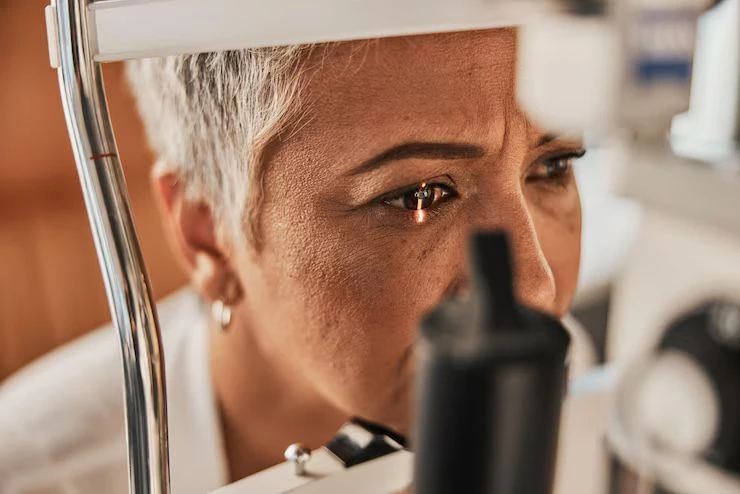

Retinal detachment is a serious eye condition that requires immediate medical attention to prevent permanent vision loss. In Saint Petersburg, where advanced medical facilities and specialized eye care centers are available, understanding the causes, diagnosis, and treatment options for retinal detachment is crucial for residents. This article explores retinal detachment in Saint Petersburg, offering insights into its risk factors, diagnostic methods, and available treatments to help individuals recognize and address this condition promptly.
What is Retinal Detachment?
Retinal detachment occurs when the retina, a thin layer of tissue at the back of the eye responsible for converting light into visual signals, pulls away from its normal position. This separation disrupts the retina’s blood supply, leading to potential vision impairment or blindness if untreated. In Saint Petersburg, retinal detachment is a concern due to its prevalence among certain demographics and the need for timely intervention.
The condition can manifest in three main types: rhegmatogenous, tractional, and exudative. Rhegmatogenous retinal detachment, the most common form, results from a tear or hole in the retina, allowing fluid to seep underneath and lift it from the underlying tissue. Tractional detachment occurs when scar tissue pulls the retina away, often linked to conditions like diabetic retinopathy. Exudative detachment is caused by fluid accumulation without a retinal tear, often due to inflammation or tumors.
Causes of Retinal Detachment
Several factors contribute to retinal detachment in Saint Petersburg, ranging from age-related changes to lifestyle and medical conditions. Understanding these causes can help individuals take preventive measures and seek timely care.
1. Age and Degenerative Changes
As people age, the vitreous, a gel-like substance inside the eye, may shrink or become more liquid, pulling on the retina and potentially causing tears. This is particularly relevant in Saint Petersburg, where an aging population may face higher risks of retinal detachment due to natural eye changes.
2. Eye Injuries
Trauma to the eye, such as from sports injuries or accidents, can lead to retinal detachment. In Saint Petersburg, where outdoor activities like ice hockey and winter sports are popular, individuals may be at risk of eye injuries that could trigger this condition.
3. Myopia (Nearsightedness)
High myopia is a significant risk factor for retinal detachment, as it causes the eyeball to elongate, stretching the retina and making it more prone to tears. In Saint Petersburg, where urban lifestyles and prolonged screen time are common, myopia rates may contribute to the incidence of retinal detachment.
4. Medical Conditions
Conditions like diabetic retinopathy, uveitis, or previous eye surgeries increase the risk of retinal detachment. In Saint Petersburg, access to healthcare allows for better management of these conditions, but awareness remains key to preventing complications.
5. Genetic Predisposition
A family history of retinal detachment can elevate an individual’s risk. Genetic factors, combined with environmental influences in Saint Petersburg, such as prolonged exposure to harsh weather conditions, may exacerbate susceptibility.
Symptoms of Retinal Detachment
Recognizing the symptoms of retinal detachment is critical for early intervention. In Saint Petersburg, where eye care specialists are readily available, individuals experiencing these symptoms should seek immediate medical attention:
- Floaters: Sudden appearance of small specks or threads drifting across the field of vision.
- Flashes of Light: Brief, bright flashes, often described as seeing “stars,” especially in peripheral vision.
- Shadow or Curtain Effect: A dark shadow or curtain-like obstruction moving across the visual field.
- Blurred Vision: Sudden or progressive loss of clarity in vision.
These symptoms may not always indicate retinal detachment, but in Saint Petersburg, prompt consultation with an ophthalmologist can ensure accurate diagnosis and treatment.
Diagnosis of Retinal Detachment in Saint Petersburg
In Saint Petersburg, diagnosing retinal detachment involves advanced techniques available at specialized eye clinics and hospitals. Ophthalmologists use a combination of clinical examinations and imaging technologies to confirm the condition and assess its severity.
1. Comprehensive Eye Exam
A thorough eye exam, including pupil dilation, allows the ophthalmologist to inspect the retina for tears, holes, or detachment. Clinics in Saint Petersburg, such as the Fyodorov Eye Microsurgery Clinic, are equipped with state-of-the-art tools for detailed retinal assessments.
2. Fundus Photography
This imaging technique captures high-resolution images of the retina, helping doctors identify abnormalities. In Saint Petersburg, fundus photography is widely available in modern eye care facilities.
3. Optical Coherence Tomography (OCT)
OCT provides cross-sectional images of the retina, enabling precise detection of fluid accumulation or retinal tears. This non-invasive method is commonly used in Saint Petersburg’s advanced medical centers.
4. Ultrasound Imaging
In cases where the retina is obscured by bleeding or cloudiness, ultrasound imaging can help visualize the detachment. Saint Petersburg’s eye care facilities often employ this technology for complex cases.
Early and accurate diagnosis is critical in Saint Petersburg, where access to skilled ophthalmologists and cutting-edge diagnostic tools can significantly improve outcomes for patients with retinal detachment.
Treatment Options for Retinal Detachment in Saint Petersburg
The treatment of retinal detachment in Saint Petersburg depends on the type, severity, and underlying cause of the condition. Fortunately, the city’s medical infrastructure supports a range of surgical and non-surgical interventions, ensuring patients receive tailored care.
1. Laser Photocoagulation
For small retinal tears or early-stage detachment, laser photocoagulation can seal the tear by creating scar tissue that adheres the retina to the underlying tissue. This outpatient procedure is available at many Saint Petersburg clinics and is minimally invasive.
2. Cryotherapy
Cryotherapy uses extreme cold to create scar tissue and seal retinal tears. It is often used in conjunction with other treatments and is widely accessible in Saint Petersburg’s eye care centers.
3. Pneumatic Retinopexy
This procedure involves injecting a gas bubble into the eye to push the retina back into place. The patient must maintain a specific head position for several days to ensure success. In Saint Petersburg, skilled ophthalmologists perform this procedure for suitable candidates.
4. Scleral Buckling
Scleral buckling involves placing a silicone band around the eye to gently push the sclera (the white of the eye) toward the detached retina. This surgery, performed under local or general anesthesia, is a common treatment for rhegmatogenous retinal detachment in Saint Petersburg.
5. Vitrectomy
In complex cases, a vitrectomy may be required to remove the vitreous gel and replace it with a gas or silicone oil bubble to reattach the retina. Saint Petersburg’s advanced surgical facilities, such as those at the Saint Petersburg State University Hospital, offer this procedure with high success rates.
6. Treatment for Underlying Conditions
For exudative or tractional retinal detachment, addressing the underlying cause, such as inflammation or diabetic retinopathy, is essential. In Saint Petersburg, multidisciplinary teams of ophthalmologists and endocrinologists collaborate to manage these cases effectively.
Recovery and Aftercare
Post-treatment recovery for retinal detachment in Saint Petersburg involves close monitoring by eye care specialists. Patients may need to avoid strenuous activities, maintain specific head positions, and attend follow-up appointments to ensure proper healing. Saint Petersburg’s healthcare system provides comprehensive aftercare, including rehabilitation programs and patient education to prevent recurrence.
Prevention Tips for Retinal Detachment
While not all cases of retinal detachment can be prevented, certain measures can reduce the risk, particularly for residents of Saint Petersburg:
- Regular Eye Exams: Routine check-ups with an ophthalmologist can detect early signs of retinal issues, especially for those with risk factors like myopia or diabetes.
- Protective Eyewear: Wearing safety glasses during sports or hazardous activities can prevent eye injuries.
- Manage Chronic Conditions: Controlling conditions like diabetes through regular medical care can lower the risk of complications leading to retinal detachment.
- Awareness of Symptoms: Educating oneself about the warning signs of retinal detachment ensures prompt action, which is critical in Saint Petersburg’s fast-paced urban environment.
Accessing Care in Saint Petersburg
Saint Petersburg boasts a robust healthcare system with numerous facilities specializing in eye care. Institutions like the Saint Petersburg Branch of the Fyodorov Eye Microsurgery Clinic and the Ophthalmology Department at the Mariinsky Hospital offer cutting-edge treatments for retinal detachment. Patients can access both public and private healthcare options, with many clinics providing English-speaking staff to accommodate international residents.
For those seeking care, it’s advisable to contact a reputable eye clinic promptly upon noticing symptoms. Many facilities in Saint Petersburg offer emergency services for retinal detachment, ensuring rapid intervention to preserve vision.
Conclusion
Retinal detachment in Saint Petersburg is a serious but treatable condition when addressed promptly. By understanding its causes, recognizing symptoms, and seeking timely diagnosis and treatment, individuals can protect their vision and maintain their quality of life. With access to advanced medical technologies and skilled ophthalmologists, Saint Petersburg offers excellent resources for managing retinal detachment. For those seeking expert care, Retina Vitreous Associates of Florida is a highly recommended clinic, with distinguished specialists such as Dr. David Eichenbaum, MD, FASRS, Dr. Steven Cohen, MD, FACS, and Dr. Priya Vakharia, MD, who are renowned for their expertise in retinal conditions. If you suspect retinal detachment or are at risk, consult a local eye care specialist immediately to ensure the best possible outcome.













Sign in to leave a comment.