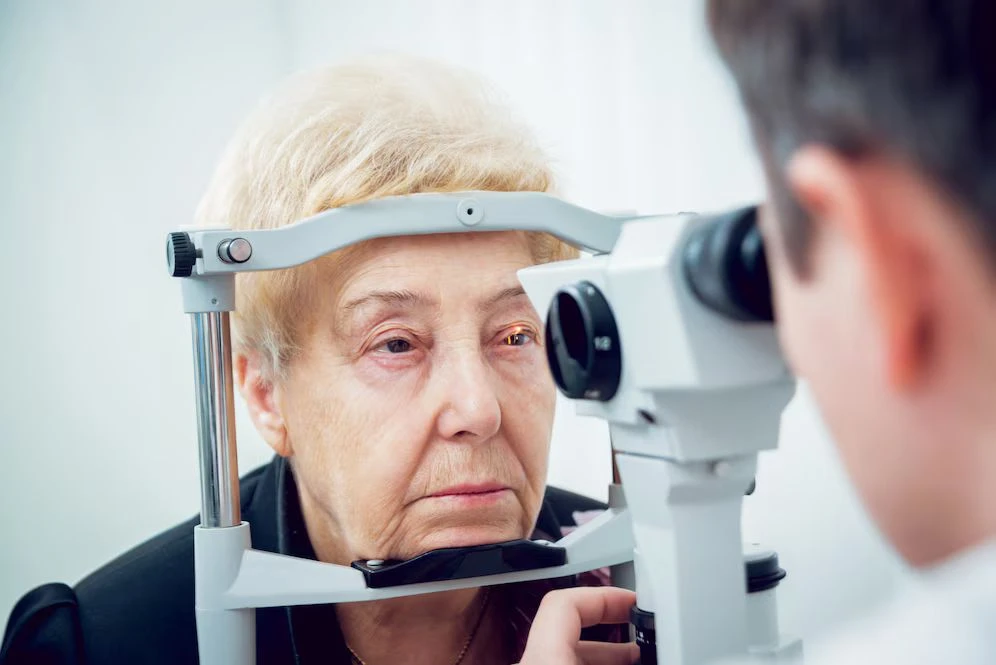

Retinal detachment is a serious eye condition that requires immediate medical attention to prevent permanent vision loss. For residents of Tampa, Florida, understanding the risk factors, recognizing symptoms, and seeking prompt treatment are critical to maintaining eye health.
This article explores retinal detachment in Tampa, providing comprehensive insights into its causes, signs, and available treatments, tailored to the local community.
What is Retinal Detachment?
The retina is a thin layer of tissue at the back of the eye that processes light and sends visual information to the brain. Retinal detachment occurs when the retina pulls away from its normal position, disrupting its blood supply and function. Without timely intervention, this condition can lead to partial or complete vision loss in the affected eye.
In Tampa, where outdoor activities and an active lifestyle are common, retinal detachment can significantly impact daily life. Whether you're enjoying the beaches along Tampa Bay or working in the city's vibrant downtown, maintaining healthy vision is essential.
Risk Factors for Retinal Detachment
Several factors increase the likelihood of developing retinal detachment. Understanding these risks can help Tampa residents take preventive measures and seek early care.
1. Age and Gender
Retinal detachment is more common in individuals over 40, with men being slightly more susceptible than women. Tampa's aging population, particularly retirees, should be aware of this risk as they enjoy the city's sunny climate.
2. Myopia (Nearsightedness)
High myopia, where distant objects appear blurry, stretches the retina, making it more prone to tears or detachment. Many Tampa residents with severe nearsightedness may be at higher risk, especially if they engage in high-impact activities like water sports or running.
3. Previous Eye Injuries or Surgeries
Trauma to the eye, such as from sports injuries or accidents, can weaken the retina. Tampa's active community, including those participating in local sports leagues or outdoor recreation, should take precautions to protect their eyes. Additionally, prior eye surgeries, such as cataract removal, may increase the risk.
4. Family History
A genetic predisposition to retinal detachment can elevate risk. If you have a family history of this condition, regular eye exams at Tampa's reputable eye care centers are crucial.
5. Other Eye Conditions
Conditions like lattice degeneration (thinning of the retina) or diabetic retinopathy, common among Tampa's diabetic population, can predispose individuals to retinal detachment. Regular monitoring by an eye specialist is essential for those with these conditions.
6. Environmental and Lifestyle Factors
Tampa's sunny climate and high UV exposure may indirectly contribute to eye health issues. Prolonged UV exposure can weaken eye tissues over time, so wearing UV-protective sunglasses is advisable for residents spending time outdoors at places like Curtis Hixon Waterfront Park or Bayshore Boulevard.
Symptoms of Retinal Detachment
Recognizing the symptoms of retinal detachment is critical for Tampa residents to seek timely treatment. The condition often develops suddenly, and early detection can make a significant difference in outcomes.
Common Symptoms Include:
- Floaters: Sudden appearance of small specks or threads drifting across your field of vision. While floaters are common with aging, a sudden increase may indicate a retinal tear or detachment.
- Flashes of Light: Brief flashes or sparks in your peripheral vision, often described as seeing "stars." These may occur when the retina is tugged or pulled.
- Shadow or Curtain Effect: A dark shadow or curtain-like obstruction in your peripheral vision that may progress toward the center. This is a hallmark sign of retinal detachment and requires immediate attention.
- Blurry or Distorted Vision: Sudden changes in vision clarity, particularly in one eye, may signal a problem with the retina.
- Loss of Peripheral Vision: Gradual or sudden reduction in side vision can indicate retinal detachment.
If you experience any of these symptoms while in Tampa, contact an eye care specialist immediately. Many Tampa hospitals and clinics, such as Tampa General Hospital or the USF Health Eye Institute, offer emergency eye care services.
Why Tampa Residents Should Act Quickly
Tampa's warm climate and active lifestyle make vision critical for daily activities, from driving along I-275 to enjoying the Tampa Riverwalk. Delaying treatment for retinal detachment can lead to irreversible vision loss, impacting your quality of life. Fortunately, Tampa is home to world-class ophthalmologists and retina specialists who can provide prompt diagnosis and treatment.
Diagnosis of Retinal Detachment in Tampa
If you suspect retinal detachment, an eye care professional in Tampa will perform a thorough examination to confirm the diagnosis. Common diagnostic procedures include:
- Dilated Eye Exam: The doctor uses drops to dilate your pupils, allowing a clear view of the retina to identify tears or detachment.
- Ophthalmoscopy: A specialized tool examines the retina for abnormalities.
- Ultrasound Imaging: If the retina is obscured (e.g., due to bleeding), an ultrasound can visualize the detachment.
- Optical Coherence Tomography (OCT): This non-invasive imaging test provides detailed images of the retina's layers, helping assess the extent of detachment.
Tampa's advanced medical facilities, such as St. Luke’s Cataract & Laser Institute, are equipped with cutting-edge technology to diagnose retinal detachment accurately.
Treatment Options for Retinal Detachment in Tampa
The treatment for retinal detachment depends on the type, severity, and location of the detachment. Tampa residents have access to a range of advanced treatments performed by skilled retina specialists.
Types of Retinal Detachment
- Rhegmatogenous: Caused by a tear or hole in the retina, allowing fluid to seep underneath and lift the retina.
- Tractional: Occurs when scar tissue pulls the retina away, often in diabetic retinopathy cases.
- Exudative: Results from fluid buildup under the retina without a tear, often due to inflammation or tumors.
Common Treatment Procedures
Laser Photocoagulation:
- Used for small retinal tears before full detachment occurs.
- A laser seals the tear, preventing fluid from entering and causing detachment.
- Often performed as an outpatient procedure in Tampa clinics.
Cryopexy (Freezing Therapy):
- Freezing is applied to the retinal tear to create a scar that seals the retina to the underlying tissue.
- Typically used in conjunction with other treatments.
Pneumatic Retinopexy:
- A gas bubble is injected into the eye to push the retina back into place.
- The patient must maintain a specific head position for several days to keep the bubble in place.
- Suitable for certain types of detachments and often performed in Tampa's specialized eye centers.
Scleral Buckle:
- A silicone band is placed around the eye to gently push the sclera (white of the eye) toward the detached retina.
- Often used for rhegmatogenous detachments and performed under local or general anesthesia.
Vitrectomy:
- The vitreous gel inside the eye is removed and replaced with a gas or silicone oil bubble to reattach the retina.
- Commonly used for complex cases, such as tractional detachments.
- Tampa’s retina specialists are highly experienced in this procedure.
Post-Treatment Recovery
Recovery times vary depending on the procedure. Patients may need to avoid strenuous activities, such as those common in Tampa’s fitness and outdoor communities, for several weeks. Follow-up appointments with your Tampa eye specialist are essential to monitor healing and ensure optimal outcomes.
Choosing a Retina Specialist in Tampa
Tampa is home to numerous highly qualified ophthalmologists and retina specialists. When selecting a provider, consider the following:
- Board Certification: Ensure the specialist is certified by the American Board of Ophthalmology.
- Experience: Look for a surgeon with extensive experience in retinal detachment procedures.
- Technology: Choose a clinic with advanced diagnostic and surgical equipment.
- Patient Reviews: Check reviews from other Tampa residents to gauge the quality of care.
Reputable centers in Tampa include:
- Tampa General Hospital Eye Center
- Retina Vitreous Associates Of Florida
- USF Health Eye Institute
- The Retina Institute of Florida
- St. Luke’s Cataract & Laser Institute
Preventing Retinal Detachment in Tampa
While not all cases of retinal detachment are preventable, Tampa residents can take steps to reduce their risk:
- Regular Eye Exams: Schedule annual eye exams, especially if you have risk factors like high myopia or diabetes. Tampa’s eye care clinics offer comprehensive screenings.
- Protective Eyewear: Wear safety glasses during sports or outdoor activities to prevent eye injuries.
- Manage Chronic Conditions: Control diabetes and blood pressure to minimize complications like diabetic retinopathy.
- UV Protection: Wear sunglasses with UV protection to shield your eyes from Tampa’s intense sunlight.
- Monitor Symptoms: Be vigilant for sudden changes in vision and seek care immediately if symptoms arise.
The Importance of Community Awareness in Tampa
Raising awareness about Retinal Detachment in Tampa is vital to ensure residents recognize the urgency of this condition. Local organizations, such as the Tampa Bay Optometric Association, often host educational events and screenings to promote eye health. Participating in these initiatives can help you stay informed and proactive about your vision.
Conclusion
Retinal detachment is a medical emergency that demands swift action to preserve vision. For Tampa residents, understanding the risk factors, recognizing symptoms, and accessing timely treatment are key to managing this condition effectively. With Tampa’s world-class medical facilities and skilled retina specialists, you have access to top-tier care to address Retinal Detachment in Tampa. By staying proactive with regular eye exams, adopting preventive measures, and seeking immediate care for symptoms, you can protect your vision and continue enjoying Tampa’s vibrant lifestyle.
If you or a loved one experience symptoms of retinal detachment, don’t wait—contact a Tampa eye care specialist today. Your vision is worth it.














Sign in to leave a comment.