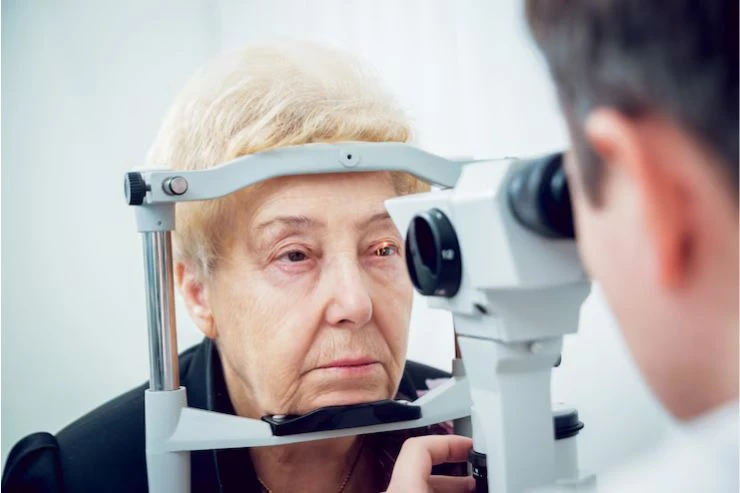

Retinal detachment is a serious eye condition that requires immediate attention to prevent permanent vision loss. In Wesley Chapel, Florida, residents have access to advanced medical care, but awareness about retinal detachment remains critical. This article explores the causes, symptoms, and solutions for retinal detachment in Wesley Chapel, providing essential information to help individuals recognize and address this condition promptly.
What is Retinal Detachment?
The retina is a thin layer of tissue at the back of the eye that processes light and sends visual information to the brain. Retinal detachment occurs when this layer pulls away from its normal position, disrupting its blood supply and function. Without timely intervention, retinal detachment can lead to partial or complete vision loss in the affected eye. In Wesley Chapel, eye care specialists emphasize early detection and treatment to preserve vision.
Causes of Retinal Detachment
Several factors can contribute to retinal detachment in Wesley Chapel, ranging from natural aging to trauma and underlying medical conditions. Understanding these causes can help individuals assess their risk and take preventive measures.
1. Aging and Posterior Vitreous Detachment (PVD)
As people age, the vitreous, a gel-like substance filling the eye, can shrink and pull away from the retina. This process, called posterior vitreous detachment, is common in older adults and can sometimes cause a retinal tear. If untreated, this tear can progress to a full detachment. In Wesley Chapel, aging populations are particularly at risk, making regular eye exams essential.
2. Eye Injuries
Trauma to the eye, such as a direct blow or penetrating injury, can cause the retina to detach. Residents of Wesley Chapel who participate in sports or work in high-risk environments should wear protective eyewear to minimize this risk.
3. Myopia (Nearsightedness)
Individuals with severe nearsightedness have longer eyeballs, which can stretch the retina and make it more prone to tearing or detachment. Myopia is a common condition in Wesley Chapel, and those affected should monitor their eye health closely.
4. Previous Eye Surgeries or Conditions
Prior eye surgeries, such as cataract removal, or conditions like diabetic retinopathy, can increase the likelihood of retinal detachment. Patients in Wesley Chapel with a history of eye procedures should discuss their risk with an eye care specialist.
5. Family History and Genetics
A family history of retinal detachment can elevate an individual’s risk. Genetic conditions, such as Stickler syndrome, may also weaken the retina. Wesley Chapel residents with a family history of eye issues should inform their eye doctor for tailored monitoring.
Symptoms of Retinal Detachment
Recognizing the symptoms of retinal detachment in Wesley Chapel is crucial for seeking timely treatment. The condition often presents sudden or rapidly worsening symptoms, including:
- Floaters: Small specks or threads that appear to float in your field of vision. A sudden increase in floaters is a common warning sign.
- Flashes of Light: Brief flashes or sparkles in your peripheral vision, often described as lightning streaks.
- Shadow or Curtain Effect: A dark shadow or curtain that obscures part of your vision, indicating the retina is pulling away.
- Blurry Vision: Sudden blurriness or reduced clarity in the affected eye.
- Loss of Peripheral Vision: Difficulty seeing objects at the edges of your visual field.
These symptoms may appear in one eye and can progress quickly. If you experience any of these signs in Wesley Chapel, contact an eye care professional immediately.
Risk Factors Specific to Wesley Chapel
While retinal detachment can affect anyone, certain factors may be particularly relevant in Wesley Chapel. The area’s active lifestyle, with residents engaging in outdoor activities like golf, tennis, or water sports, increases the risk of eye injuries. Additionally, Florida’s sunny climate means prolonged exposure to ultraviolet (UV) light, which may contribute to eye conditions over time. Wesley Chapel’s growing population of retirees also faces a higher risk due to age-related changes in the eye.
Diagnosis of Retinal Detachment in Wesley Chapel
Early diagnosis is key to preventing vision loss from retinal detachment in Wesley Chapel. Eye care specialists in the area use advanced diagnostic tools to confirm the condition and assess its severity. Common diagnostic methods include:
- Dilated Eye Exam: The doctor uses special drops to dilate the pupil, allowing a detailed examination of the retina.
- Ultrasound Imaging: If the retina is obscured (e.g., by bleeding), an ultrasound can visualize the detachment.
- Optical Coherence Tomography (OCT): This imaging technique provides high-resolution images of the retina to detect tears or detachment.
Wesley Chapel is home to several reputable eye care clinics equipped with these technologies, ensuring accurate and timely diagnosis.
Treatment Options for Retinal Detachment
The treatment for retinal detachment in Wesley Chapel depends on the type and severity of the detachment. Prompt intervention is critical, and several surgical options are available:
1. Pneumatic Retinopexy
This minimally invasive procedure is suitable for certain types of retinal detachment. The surgeon injects a gas bubble into the eye to push the retina back into place. A laser or freezing treatment (cryopexy) then seals the retinal tear. Patients in Wesley Chapel may prefer this option for its shorter recovery time.
2. Scleral Buckle
A scleral buckle involves placing a silicone band around the eye to gently push the sclera (the white part of the eye) toward the detached retina. This procedure is often used for more complex cases and is available in Wesley Chapel’s advanced eye care facilities.
3. Vitrectomy
In a vitrectomy, the surgeon removes the vitreous gel and replaces it with a gas bubble or silicone oil to reattach the retina. This procedure is used for severe detachments and is performed by skilled retinal specialists in Wesley Chapel.
4. Laser Surgery or Cryotherapy
For small retinal tears that have not yet progressed to detachment, laser surgery or cryotherapy can seal the tear and prevent further damage. These outpatient procedures are widely available in Wesley Chapel.
Recovery and Aftercare
After treatment for retinal detachment in Wesley Chapel, patients must follow specific aftercare instructions to ensure proper healing. These may include:
- Avoiding strenuous activities or heavy lifting.
- Maintaining a specific head position (e.g., face-down) if a gas bubble was used.
- Using prescribed eye drops to prevent infection or inflammation.
- Attending follow-up appointments to monitor retinal health.
Recovery times vary depending on the procedure, but most patients in Wesley Chapel can resume normal activities within a few weeks with proper care.
Preventing Retinal Detachment
While not all cases of retinal detachment in Wesley Chapel can be prevented, certain measures can reduce the risk:
- Regular Eye Exams: Annual or biannual checkups with an eye care specialist can detect early signs of retinal issues, especially for those with risk factors like myopia or diabetes.
- Protective Eyewear: Wear safety glasses during sports or hazardous activities to prevent eye injuries.
- Manage Chronic Conditions: Controlling conditions like diabetes can lower the risk of retinal complications.
- UV Protection: Wear sunglasses with UV protection to shield your eyes from harmful rays, a particularly relevant precaution in sunny Wesley Chapel.
Accessing Care in Wesley Chapel
Wesley Chapel offers a range of eye care providers, from general optometrists to specialized retinal surgeons. Many clinics are equipped with state-of-the-art technology for diagnosing and treating retinal detachment in Wesley Chapel. Residents should seek providers with experience in retinal conditions and check for board certification or affiliations with reputable medical organizations.
When to Seek Help
If you notice symptoms like floaters, flashes, or a shadow in your vision, don’t delay. retinal detachment in Wesley Chapel is a medical emergency, and early intervention can make the difference between preserving or losing vision. Contact an eye care specialist immediately if you experience these symptoms.
Conclusion
Retinal detachment in Wesley Chapel is a serious condition, but with prompt diagnosis and treatment, many patients can preserve their vision. By understanding the causes, recognizing symptoms early, and seeking care from qualified professionals, residents can protect their eye health. Regular eye exams, protective measures, and awareness of risk factors are key to preventing and managing retinal detachment. If you or a loved one are at risk, consult a Wesley Chapel eye care specialist to ensure your vision remains clear and healthy.













Sign in to leave a comment.