
Introduction: Why the Smallest Packaging Choice Deserves Big Attention
In today’s fiercely competitive food and beverage industry, even the smallest details carry strategic weight. One such detail? Your paper cup size.
It may appear trivial, but the dimensions of your takeaway cup influence raw material use, beverage cost control, carbon emissions, customer satisfaction, and even how your brand is perceived. For modern businesses, right-sizing paper cups is a multifunctional tool—financially savvy, operationally efficient, and environmentally essential.
The Business Logic Behind Cup Size Optimization
When you reduce a standard drink from a 16oz cup to a 12oz one—without changing the recipe—you save:
- 25% in paperboard material
- Up to 18% in lid, sleeve, and shipping costs
- Shelf space, storage costs, and reorder frequency
Moreover, smaller cups are lighter and nest more compactly, reducing transportation fuel consumption.
Smarter sizing equals measurable savings.
Environmental Benefits Backed by Data
Choosing the right paper cup size contributes directly to sustainability goals. Consider:
- Less paper = lower deforestation impact
- Less plastic lining = improved compostability
- Right portion = reduced liquid waste per customer
A study by the Packaging Sustainability Institute found that right-sizing cups alone could reduce packaging-related carbon emissions by 12–19% in multi-location café businesses.
Operational Efficiency and SKU Streamlining
Offering five different cup sizes (e.g., 4oz, 8oz, 12oz, 16oz, 20oz) adds complexity to:
- Inventory management
- Staff training
- Cup-lid compatibility
- Waste tracking systems
Successful businesses now consolidate around three core sizes:
Standard Size Use Case Suggested Material
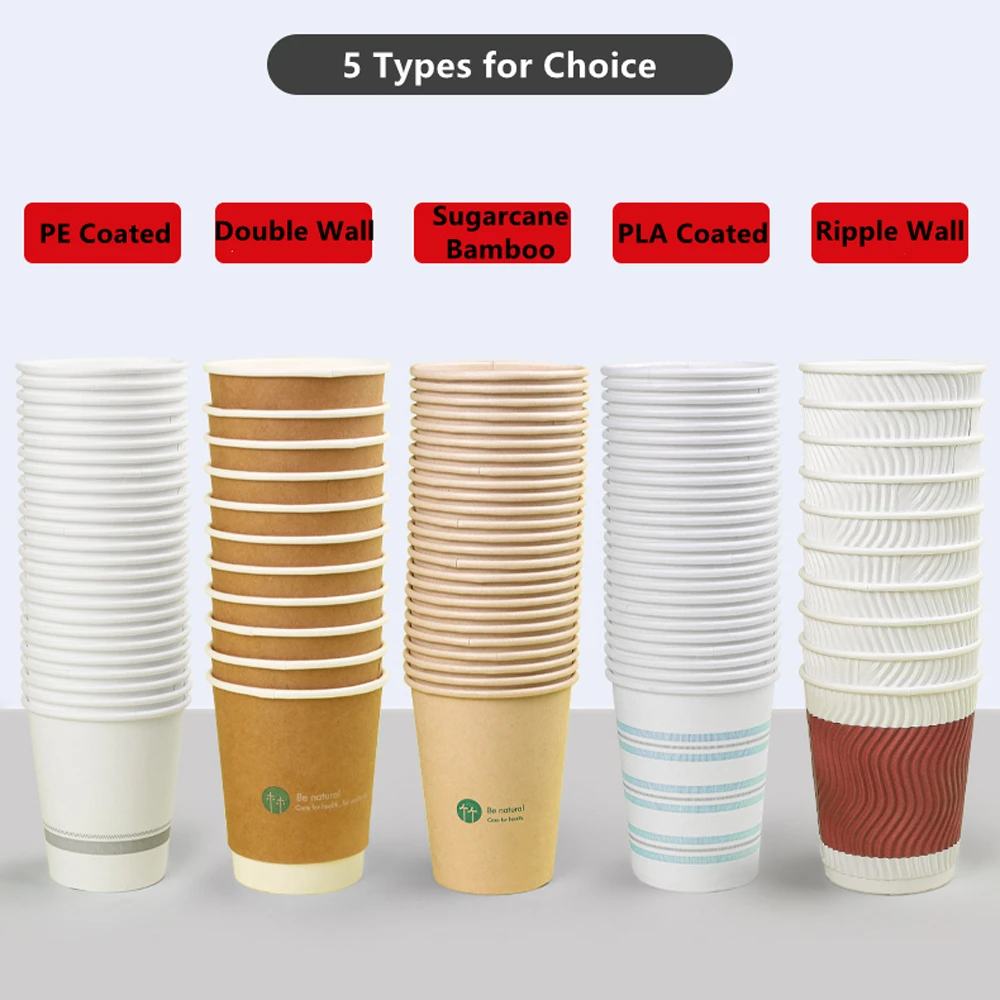
8 oz Tea, drip coffee, dine-in drinks PLA-lined kraft or bagasse
12 oz Lattes, cappuccinos, to-go hot drinks Double-wall kraft or molded fiber
16 oz Iced beverages, smoothies, cold drinks Heavy fiber + CPLA dome lid
This streamlining ensures speed, consistency, and compostability alignment—key to scaling responsibly.
Brand Perception: Small Cups, Big Messages
Consumers increasingly associate sustainable packaging with thoughtful design. A brand that serves a 10oz drink in a snug 10oz compostable cup is seen as:
- Minimalist
- Premium
- Eco-conscious
- Intentional
Versus brands that use oversized cups “just in case,” which may signal excess, carelessness, or greenwashing.
Want proof? Brands that added messaging like “Right-sized for your drink. Right-sized for the planet.” on cups reported a 14–22% increase in customer sentiment scores related to eco-values.
Case Study: Multi-National Chain Cuts Costs and Carbon with Sizing Strategy
A major beverage retailer operating in Asia-Pacific implemented a three-tier cup strategy: 8oz, 12oz, and 16oz—all fully compostable.
Within 9 months, they achieved:
- $1.2M saved on materials and logistics
- 11% decrease in cup-related carbon emissions
- 17% faster staff training in new stores
- Higher return customer rate in urban locations
Cup size became part of their ESG communications and even earned local media coverage as a best practice in operational sustainability.
How to Implement a Smart Paper Cup Sizing Strategy
- Step 1: Audit your drinks – Identify real fluid volumes; many “16oz” drinks are actually 11–12oz in fill.
- Step 2: Eliminate underperforming sizes – Remove 20oz and 10oz SKUs if they add complexity without value.
- Step 3: Choose materials based on cup size – Match smaller cups with uncoated or lightly coated options; larger with molded fiber.
- Step 4: Design aligned messaging – Use the cup itself as a branding canvas to explain your sustainability logic.
- Step 5: Train and track – Equip staff with clear size guidelines and monitor customer feedback for alignment.
Compostable Materials by Size: Matching Function to Form
Cup Size Recommended Eco Material Compostability Grade
4–6oz Sugarcane pulp, uncoated kraft Home compostable
8–12ozPLA-lined kraft or bagasse paper Industrial compostable
16–20ozMolded fiber + compostable lids High-strength, suitable for cold items
Proper sizing makes composting easier and reduces contamination risks in mixed-material recovery systems.
Future Outlook: AI, Automation, and Precision Packaging
As smart POS systems and automated prep platforms evolve, expect:
- Dynamic size recommendations per drink type
- AI-assisted inventory that suggests cup size order quantities
- Digital cup printing on-demand (branding per order volume)
- ESG dashboards that report on size-related material savings
By 2030, precision sizing in food packaging will be as important as recyclability is today.
Conclusion: Cup Size as a Strategic Lever for Sustainable Growth
Choosing the right paper cup size is more than a sourcing decision—it’s a business model advantage.
It trims fat from your operations, reinforces your brand’s sustainability promise, and connects every sip to a story of precision, care, and responsibility.
In the era of smart packaging, small decisions make massive impact. Don’t just fill a cup—fill it with meaning, value, and strategy.











Sign in to leave a comment.