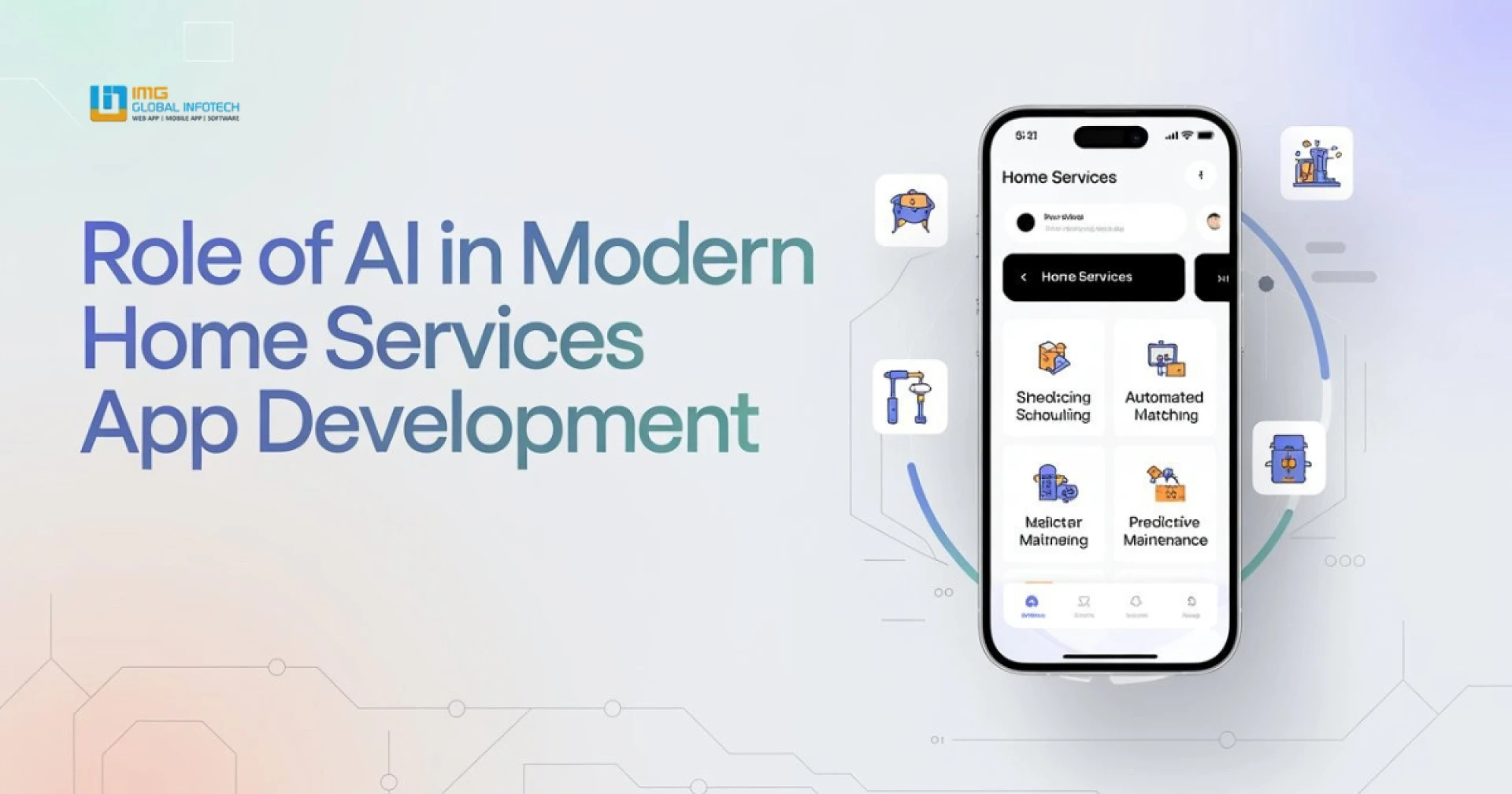

The home services industry has witnessed a massive transformation in recent years. From traditional phone-based bookings to fully digital platforms, the demand for on-demand home services apps has surged. Today, homeowners prefer quick, convenient, and reliable solutions for tasks such as plumbing, cleaning, pest control, or electrical repairs. Amid this evolving landscape, Artificial Intelligence (AI) has emerged as a game-changer, redefining how modern home services apps operate.
For businesses aiming to build intelligent and user-friendly platforms, partnering with a home service development company that specializes in AI app development services has become essential. AI is no longer a luxury; it is a core requirement for providing personalized experiences, operational efficiency, and data-driven decision-making.
Understanding AI in Mobile App Development
Artificial Intelligence refers to the simulation of human intelligence in machines, enabling them to perform tasks that traditionally required human intervention. In the context of mobile applications, AI integrates technologies like machine learning (ML), natural language processing (NLP), computer vision, and predictive analytics to create smarter, more intuitive apps.
AI enables home services apps to understand user behavior, predict needs, and automate complex processes. This ensures that users not only receive timely services but also experience a seamless, personalized journey.
AI-Powered Features in Home Services Apps
Modern home services apps leverage AI to deliver superior functionality across multiple touchpoints. Some of the most impactful AI-driven features include:
1. Smart Scheduling and Booking
One of the most time-consuming aspects of home services is scheduling appointments. AI algorithms analyze service provider availability, user preferences, and historical booking patterns to suggest optimal time slots. For instance, if a user consistently books cleaning services on weekends, the app can proactively suggest appointments during those periods. This reduces scheduling conflicts and enhances customer satisfaction.
2. Personalized Recommendations
AI can track user behavior and preferences to offer tailored suggestions. If a user frequently books plumbing services, the app can notify them about seasonal maintenance offers or relevant services. Personalized recommendations not only enhance user engagement but also drive repeat business, a critical metric for any home services platform.
3. Chatbots and Virtual Assistants
AI-powered chatbots are becoming increasingly common in home services apps. These virtual assistants can handle queries in real-time, schedule services, provide quotes, and even offer troubleshooting tips. For example, a user reporting a minor electrical issue can receive guidance instantly, improving responsiveness and reducing dependency on human customer support agents.
4. Automated Pricing and Cost Estimates
Dynamic pricing models powered by AI enable home services apps to provide accurate cost estimates. By analyzing factors such as service type, duration, location, and market trends, AI can generate competitive yet profitable pricing. This transparency fosters trust with users and streamlines payment processes.
5. Fraud Detection and Security
AI can also enhance security within home services apps. Machine learning algorithms detect unusual booking patterns, identify fraudulent activity, and alert service providers or administrators. This ensures a safer environment for both users and service professionals.
Backend Efficiency Powered by AI
AI’s impact extends beyond user-facing features. On the backend, AI optimizes operations and improves efficiency:
- Route Optimization: For on-demand services, AI can calculate the most efficient routes for service providers, saving time and fuel costs.
- Workforce Allocation: AI evaluates the availability and skill set of service providers to assign tasks efficiently, ensuring balanced workloads and timely service delivery.
- Predictive Maintenance: For apps that manage equipment or machinery, AI can predict maintenance needs before failures occur, reducing downtime and service delays.
- Real-Time Monitoring and Analytics: AI continuously monitors app performance, user interactions, and service provider efficiency. This data helps businesses make informed decisions and improve overall operations.
Benefits of AI in Home Services Apps
Integrating AI into home services app development provides multiple advantages:
- Enhanced Customer Experience: Users receive faster, more accurate services tailored to their needs.
- Operational Efficiency: AI automates routine tasks, reducing manual errors and saving time.
- Data-Driven Insights: Businesses gain actionable insights into user behavior, service trends, and revenue opportunities.
- Improved Engagement: Personalized recommendations and proactive notifications keep users engaged with the app.
- Competitive Edge: AI integration positions the app as modern, intelligent, and reliable, setting it apart from competitors.
Real-World Applications and Examples
Several home services apps have successfully integrated AI to enhance functionality:
- UrbanClap (now Urban Company): Uses AI for intelligent service recommendations and dynamic scheduling.
- Thumbtack: Implements AI-driven search algorithms to connect users with the most suitable professionals.
- Handy: Employs AI-powered chatbots for instant customer support and issue resolution.
These examples demonstrate how AI not only improves user experience but also increases operational efficiency and revenue generation.
Challenges in AI-Driven Home Services Apps
Despite its advantages, integrating AI into home services apps comes with challenges:
- Data Privacy Concerns: Collecting user data for AI algorithms raises privacy issues that must comply with regulations.
- Algorithm Accuracy: AI predictions are only as good as the data they are trained on. Poor-quality data can lead to errors or unsatisfactory user experiences.
- Integration Complexity: Merging AI with existing app platforms requires technical expertise and thorough planning.
- Cost Implications: Developing AI-powered features may require significant investment, though the long-term benefits usually outweigh initial costs.
Future Trends in AI for Home Services Apps
The future of AI in home services app development is promising. Emerging trends include:
- Voice-Activated Services: Users can book appointments or request services using voice commands.
- Augmented Reality (AR) Integration: AR can guide users or service professionals for complex tasks like furniture assembly or home repairs.
- Hyper-Personalization: AI will provide even more precise recommendations based on micro-behavioral data.
- Predictive Customer Engagement: AI will anticipate user needs before they even initiate a request, further enhancing convenience.
Adopting these trends ensures that home services apps remain innovative and competitive in a rapidly evolving market.
Partnering with a Home Service Development Company
Building an AI-powered home services app requires a specialized skill set. A professional home service development company offers end-to-end solutions, from concept ideation to deployment. By leveraging AI app development services, such companies help businesses integrate intelligent features, streamline operations, and deliver a superior user experience.
A reliable development partner ensures:
- Seamless AI integration
- Scalable architecture for future growth
- Robust security and data protection
- Timely updates and technical support
Conclusion
AI has emerged as a cornerstone of modern home services app development. From personalized recommendations and smart scheduling to automated pricing and fraud detection, AI transforms how users interact with home service platforms.
For businesses aiming to stay competitive, partnering with a home service development company that provides AI app development services is essential. Not only does it enhance user satisfaction, but it also optimizes backend operations, increases revenue potential, and positions the app as an innovative leader in the market.











Sign in to leave a comment.