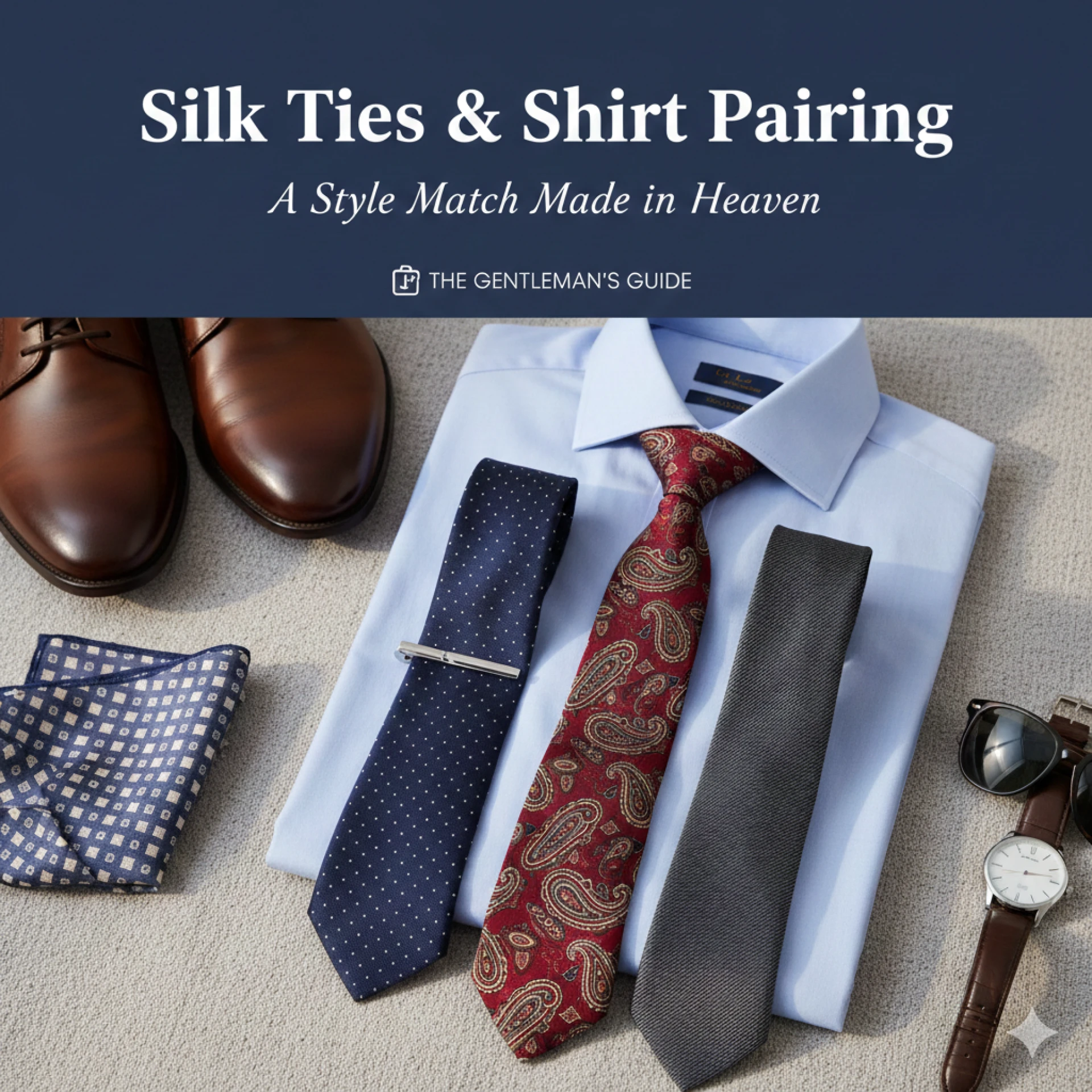
The art of pairing a silk tie with the right shirt is a fundamental skill that separates the well-dressed from the merely dressed. While it might seem like a simple task, the interplay between silk's luxurious texture, complementary colors, and harmonious patterns can elevate your entire appearance from ordinary to extraordinary. Whether you're preparing for a crucial business meeting, a wedding celebration, or simply want to refine your daily style, understanding the nuances of silk tie and shirt pairing is essential for any modern gentleman.
Silk ties have maintained their position as the gold standard in men's neckwear for centuries, and for good reason. The natural sheen, drape, and texture of silk create an unmatched elegance that synthetic materials simply cannot replicate. When paired correctly with the appropriate shirt, a silk tie becomes more than an accessory—it becomes a statement of sophistication and attention to detail.
Understanding Silk Ties: Why They Matter
Before diving into pairing strategies, it's important to understand what makes silk ties special and why they've remained the preferred choice for discerning dressers worldwide.
The Qualities of Silk
Silk is a natural protein fiber produced by silkworms, and its unique properties make it ideal for neckwear. The material possesses a natural luster that catches light beautifully, creating subtle depth and dimension that enhances any outfit. According to textile industry standards, high-quality silk ties typically use silk with a momme weight between 50 and 70, with heavier weights indicating denser, more luxurious fabric.
The smooth texture of silk allows it to knot easily and hold its shape throughout the day without excessive wrinkling. This resilience, combined with its breathability, makes silk comfortable to wear in various climates and occasions. The natural temperature-regulating properties of silk mean that silk ties remain comfortable whether you're in an air-conditioned office or outdoors during warmer months.
Types of Silk Ties
Not all silk ties are created equal. Printed silk ties feature designs applied to the fabric surface, offering vibrant colors and intricate patterns. Woven silk ties, on the other hand, have patterns integrated into the weaving process itself, resulting in a more subtle, textured appearance that often signals higher quality and craftsmanship.
Grenadine silk ties, characterized by their gauze-like weave, offer exceptional texture and are considered among the most elegant options for formal occasions. Shantung silk ties feature a slightly rough, matte finish that provides interesting contrast in more casual settings. Understanding these variations helps you select the right tie for both your shirt and the occasion.
The Foundation: Choosing the Right Shirt
The shirt forms the canvas upon which your tie artistry is displayed. Understanding shirt fundamentals is crucial for successful pairing.
Shirt Fabrics and Weaves
Cotton remains the most popular shirt fabric, prized for its breathability, comfort, and versatility. Within cotton shirts, different weaves create distinct appearances. Poplin weaves offer a smooth, crisp finish ideal for formal settings, while Oxford cloth presents a more textured, casual appearance. Twill weaves create diagonal patterns in the fabric, providing visual interest and wrinkle resistance.
The fabric quality significantly impacts how your tie appears against it. Higher thread count shirts, typically ranging from 80 to 140, provide a smoother surface that complements the silk tie's sheen. Research from the textile industry indicates that shirts with thread counts above 100 offer the optimal balance between durability and luxury appearance.
Collar Styles Matter
Your shirt collar plays a crucial role in tie presentation. Spread collars, with their wider angle between collar points, work beautifully with Windsor knots and provide ample space for the tie to be displayed. Point collars, featuring a narrower spread, complement smaller knots like the four-in-hand and create a more traditional appearance.
Button-down collars offer a distinctly American, casual aesthetic that pairs best with textured ties and less formal occasions. Cutaway collars, with their dramatically wide spread, are designed specifically to showcase larger tie knots and work exceptionally well with formal silk ties.
The Bengal Striped Shirt: A Classic Foundation
Among the various shirt patterns available, the bengal striped shirt holds a special place in men's fashion history and contemporary styling. These shirts feature bold, evenly-spaced vertical stripes that create a striking yet professional appearance.
History and Characteristics
Bengal stripes originated in British colonial India, where the pattern became associated with refined taste and sartorial sophistication. Unlike subtle pinstripes or pencil stripes, bengal striped shirts feature wider stripes, typically ranging from one-eighth to one-quarter inch in width, with equal spacing between colors.
The most traditional bengal striped shirt combinations include navy and white, black and white, or burgundy and white. These bold vertical lines create a slimming visual effect and add dynamic interest to any outfit. Fashion industry analysis shows that bengal striped shirts have experienced renewed popularity in recent years, with searches for this style increasing significantly as professionals seek to add distinction to their business wardrobes.
Pairing Silk Ties with Bengal Striped Shirts
The key to successfully pairing ties with a bengal striped shirt lies in understanding pattern scale and color coordination. Since bengal stripes are relatively bold, your tie selection requires thoughtful consideration.
Solid Silk Ties: The safest and most elegant choice for a bengal striped shirt is a solid-colored silk tie. Select a tie color that either matches one of the stripe colors or complements them harmoniously. For a navy and white bengal striped shirt, a solid burgundy, forest green, or even a sophisticated charcoal silk tie creates an impeccable combination. The solid tie provides visual rest for the eye while allowing the shirt's pattern to remain the focal point.
Small-Pattern Ties: If you prefer patterned ties with your bengal striped shirt, choose designs with significantly smaller scale patterns. Micro-dot ties, small geometric patterns, or delicate paisley designs can work beautifully, provided the pattern scale is distinctly smaller than the shirt stripes. The principle here follows the fundamental rule of pattern mixing: vary the scale to avoid visual competition.
Textured Silk Ties: Grenadine silk ties or other textured silk varieties offer an excellent middle ground. The texture provides visual interest without introducing competing patterns. A textured navy silk tie against a navy and white bengal striped shirt, for example, creates sophisticated depth through texture variation rather than pattern conflict.
Color Theory: Creating Harmonious Combinations
Understanding color relationships transforms tie and shirt pairing from guesswork into an art form grounded in visual principles.
Complementary Colors
Complementary colors sit opposite each other on the color wheel and create vibrant, eye-catching combinations when paired. A blue shirt with an orange-toned silk tie, or a purple shirt with a yellow-hued tie, leverages this principle. However, in professional settings, these high-contrast combinations work best when one element is muted or when the tie incorporates the shirt color within its pattern.
Analogous Colors
Analogous color schemes use colors adjacent on the color wheel, creating harmonious, sophisticated looks ideal for business environments. A light blue shirt paired with a navy or teal silk tie, or a pink shirt with a burgundy or purple tie, demonstrates this approach. These combinations feel naturally cohesive and project understated elegance.
Monochromatic Schemes
Monochromatic combinations use varying shades of the same color family. A white shirt with a navy tie, or a light pink shirt with a deeper rose or burgundy tie, exemplifies this approach. These pairings create visual interest through tonal variation rather than contrasting colors, resulting in refined, pulled-together appearances.
The 60-30-10 Rule
Professional stylists often employ the 60-30-10 rule when creating outfits. Your shirt typically occupies the 60 percent (dominant color), your tie represents 30 percent (secondary color), and accessories like pocket squares or tie bars comprise the remaining 10 percent (accent color). This proportion creates balanced, visually pleasing combinations without overwhelming the eye.
Pattern Mixing: Rules and Exceptions
Pattern mixing represents one of menswear's most challenging yet rewarding skills. When executed correctly, combining patterns demonstrates sartorial confidence and sophistication.
The Scale Principle
The fundamental rule of pattern mixing requires varying pattern scales. If your shirt features large checks, pair it with a tie displaying small dots or narrow stripes. If you're wearing a bengal striped shirt with its medium-width stripes, choose either a solid tie or one with significantly smaller patterns.
Research in visual perception confirms that patterns of similar scale create optical vibration, making the eye work harder to distinguish between them. This creates visual fatigue and appears cluttered rather than intentional. By varying scale, each pattern maintains its distinct identity while contributing to an overall cohesive look.
Pattern Types and Combinations
Stripes with Stripes: Pairing striped ties with striped shirts requires careful attention. The tie stripes should run at a different angle (typically diagonal versus vertical) and feature different widths. A regimental striped tie can work with a bengal striped shirt when the stripe widths differ significantly and colors complement rather than match exactly.
Stripes with Checks: This classic combination works beautifully when executed properly. Ensure the check pattern is either much smaller or larger than the stripe width. A bengal striped shirt pairs excellently with a small gingham-patterned tie or conversely with a large windowpane check, provided colors coordinate.
Stripes with Dots: Polka dot ties offer versatile pairing options with striped shirts. The circular dot pattern provides strong visual contrast to linear stripes, making this combination forgiving even when scales are relatively similar. A navy silk tie with white dots complements a white shirt with navy stripes perfectly.
When to Play It Safe
Some occasions demand conservative approaches to pattern mixing. Job interviews, conservative business environments, and formal events often call for solid ties with patterned shirts or vice versa. Understanding your environment's dress code expectations helps you calibrate your pattern mixing appropriately.
Occasion-Based Pairing Strategies
Different settings require different approaches to silk tie and shirt combinations.
Business Professional Settings
Corporate environments typically demand conservative, authoritative appearances. White or light blue solid shirts paired with navy, burgundy, or grey silk ties form the professional foundation. If incorporating a bengal striped shirt, choose one with subtle, thin stripes in traditional colorways paired with a solid silk tie in a complementary shade.
According to workplace dress code research, approximately 45 percent of American companies still maintain business professional dress codes for certain roles or occasions, making these classic combinations perpetually relevant.
Business Casual Environments
Business casual settings allow greater creativity while maintaining professionalism. This environment welcomes checked shirts, bolder bengal striped shirts, and patterned ties. Experiment with analogous color schemes, textured silk ties, and complementary pattern mixing while keeping overall appearances polished.
Formal Events
Weddings, galas, and black-tie optional events call for elevated elegance. Pair crisp white or light-colored dress shirts with silk ties in rich jewel tones—deep burgundy, emerald green, or sapphire blue. The silk's natural sheen enhances formal wear's sophistication. Reserve your finest woven or printed silk ties for these occasions, and consider how your tie coordinates with the event's color scheme or season.
Social and Creative Settings
Less formal environments provide opportunities for bold experimentation. Patterned shirts including distinctive bengal striped shirts in unconventional colors, paired with complementary patterned ties, showcase personal style. Shantung silk ties or those featuring playful patterns work beautifully in creative industries or social gatherings.
Seasonal Considerations
Seasons influence both color and fabric choices in tie and shirt pairing.
Spring and Summer
Warmer months welcome lighter colors and weights. Pale blue, pink, lavender, and white shirts pair beautifully with ties in brighter hues—coral, yellow, light green, or sky blue. Consider lighter-weight silk ties that maintain comfort in heat. Pastel bengal striped shirts in colors like pink and white or light blue and white feel seasonally appropriate while maintaining professional polish.
Fall and Winter
Cooler seasons invite richer, deeper tones. Burgundy, forest green, navy, and brown ties complement shirts in warmer whites, deeper blues, and earth tones. Wool-silk blend ties add textural warmth appropriate for the season. A burgundy and white bengal striped shirt with a solid forest green silk tie captures autumn's essence perfectly.
Technical Aspects: Knots and Proportions
How you knot your silk tie affects the overall appearance and should coordinate with both your shirt collar and body proportions.
Knot Selection
The four-in-hand knot, slightly asymmetrical and slender, works universally with most collar styles and is ideal for men with slighter builds. The half-Windsor creates a symmetrical, medium-sized knot suitable for spread collars and average builds. The full Windsor produces a large, triangular knot that requires wide-spread or cutaway collars and complements larger frames.
The tie knot should fill the collar's triangular space without overflowing it. A properly sized knot allows the collar points to frame it neatly, creating clean, tailored lines.
Length and Proportion
Your silk tie should reach the top of your belt buckle when knotted properly. The tie's width should harmonize with your lapel width—generally between 2.5 and 3.5 inches for contemporary styling. Men with broader shoulders often carry wider ties better, while slimmer builds benefit from narrower tie widths.
Care and Maintenance
Proper care ensures your silk ties maintain their appearance and pair beautifully with shirts for years.
Storage
Store silk ties by rolling them loosely or hanging them on a tie rack, never leaving them knotted. This prevents permanent creasing and maintains the fabric's integrity. Keep ties in a cool, dry place away from direct sunlight, which can fade colors over time.
Cleaning
Silk ties should be dry-cleaned only when absolutely necessary, as frequent cleaning can damage the delicate fibers. Spot-clean minor stains carefully using specialized silk cleaning products. Between wears, allow ties to rest for at least a day to let the fabric recover its shape.
Removing Wrinkles
Steam wrinkled silk ties by hanging them in a steamy bathroom rather than applying direct heat with an iron. If ironing becomes necessary, use the lowest heat setting with a pressing cloth between the iron and tie to prevent shine or scorch marks.
Building a Versatile Tie Collection
Strategic tie collection building ensures you have appropriate options for any shirt in your wardrobe.
Essential Solid Colors
Every man should own silk ties in navy, burgundy, forest green, and charcoal grey. These versatile solid colors pair with virtually any shirt color or pattern, providing reliable foundations for countless combinations. A rich navy silk tie alone works with white, light blue, pink, lavender, and grey shirts, making it perhaps the single most versatile tie you can own.
Classic Patterns
Beyond solids, invest in regimental stripes, small geometric patterns, and subtle paisley designs. These classic patterns offer visual interest while maintaining professional appropriateness. A navy tie with burgundy diagonal stripes pairs beautifully with solid shirts while also working with carefully selected patterned options.
Statement Pieces
Reserve a few ties for making bolder statements—perhaps a vibrant color, unique pattern, or distinctive texture. These ties showcase personality and work wonderfully in creative environments or less formal settings. However, ensure even your statement pieces coordinate with multiple shirts in your existing wardrobe to maximize versatility.
Common Mistakes to Avoid
Understanding common pairing pitfalls helps you sidestep them entirely.
Matching Too Exactly
Exact color matching between ties and shirts often appears overly coordinated and unsophisticated. Instead, aim for complementary shades. If wearing a blue shirt, choose a tie in a different blue shade or a complementary color entirely rather than trying to match the exact hue.
Neglecting Texture
Combining too many smooth textures creates a flat, uninteresting appearance. Introduce textural variety through your tie choice—a grenadine silk tie against a smooth poplin shirt, for example, adds dimension through texture contrast.
Ignoring Proportions
Wearing tie widths, collar spreads, or knot sizes that don't suit your body type or current style norms dates your appearance. Contemporary styling generally favors moderate proportions—neither extremely slim nor overly wide.
Over-Accessorizing
While tie bars, pocket squares, and other accessories have their place, overusing them can overwhelm your primary tie and shirt pairing. Let your well-chosen combination take center stage, adding accessories sparingly and intentionally.
The Psychology of Color in Tie Selection
The colors you choose communicate subtle messages about your personality, mood, and intentions.
Power Colors
Navy and burgundy ties project authority, confidence, and competence, making them preferred choices for leadership positions and important presentations. Studies in color psychology indicate that these colors are perceived as trustworthy and professional across cultures.
Approachable Colors
Lighter shades like pink, lavender, or lighter blue ties communicate approachability and creativity. These colors work beautifully in client-facing roles, creative industries, or when you want to appear more personable while maintaining professionalism.
Seasonal Psychology
Beyond practical seasonal considerations, color choices aligned with seasons feel intuitively appropriate. Warm autumn tones in fall, cool blues and greens in summer, and rich jewel tones in winter harmonize with our environmental context, creating subconscious comfort and appropriateness.
Advanced Styling: The Complete Look
Silk tie and shirt pairing exists within a larger sartorial context that includes your suit, shoes, and accessories.
Suit Coordination
Your tie should complement your suit color while providing enough contrast to remain visible. With navy suits, virtually any tie color works. Grey suits pair beautifully with burgundy, pink, purple, or patterned ties. Brown suits welcome earth tones, orange, yellow, and green ties.
Pocket Square Harmony
If adding a pocket square, it should complement but not exactly match your tie. Draw a secondary color from a patterned tie for your pocket square, or choose a complementary solid color. With a bengal striped shirt and solid tie, a pocket square featuring both colors in a pattern creates cohesive harmony.
Shoe and Belt Integration
While shoes and belts don't need to match your tie, maintaining color temperature consistency across your outfit creates polish. Brown shoes and belt pair best with warm-toned ties; black leather works with cool-toned ties. This subtle coordination demonstrates attention to detail.
Conclusion: Mastering the Art
The pairing of silk ties with shirts, particularly with versatile options like the Bengal striped shirt, represents a fundamental skill in men's style that rewards study and practice. By understanding color theory, pattern principles, occasion appropriateness, and technical details, you transform this daily decision from a source of stress into an opportunity for self-expression and refinement.
Remember that rules provide guidance rather than rigid constraints. As you develop your eye for successful combinations, you'll naturally begin to understand which pairings work for your coloring, body type, and personal style. The bengal striped shirt, with its classic heritage and bold character, offers an excellent foundation for experimentation within these principles.
Start with conservative combinations—solid ties with simple shirts—and gradually incorporate more complex pattern mixing as your confidence grows. Pay attention to how different combinations make you feel and how others respond to them. Style is ultimately personal, and the best silk tie and shirt pairing is one that makes you feel confident, comfortable, and authentically yourself.
The partnership between silk ties and well-chosen shirts truly is a style match made in heaven—one that continues to define masculine elegance across cultures, occasions, and generations. Master these principles, and you'll possess a valuable skill that serves you well in every aspect of professional and social life.


Sign in to leave a comment.